

In modern manufacturing, CNC vertical lathes are widely used for machining complex parts due to their high precision, efficiency, and automation capabilities. Compared to conventional lathes, CNC vertical lathes minimize manual intervention while ensuring consistent production quality.

High Precision Machining to Meet Stringent Manufacturing Standards
CNC vertical lathes precisely control tool paths and cutting parameters through advanced CNC systems, achieving machining accuracy within ±0.01mm or even higher. Whether processing straight lines, arcs, or complex surfaces, these machines can handle various tasks with ease, meeting the stringent demands of industries such as automotive, aerospace, and mold manufacturing. For large-scale components like wind turbine shafts and aircraft engine parts, large CNC vertical lathes offer superior stability and accuracy for machining oversized workpieces.
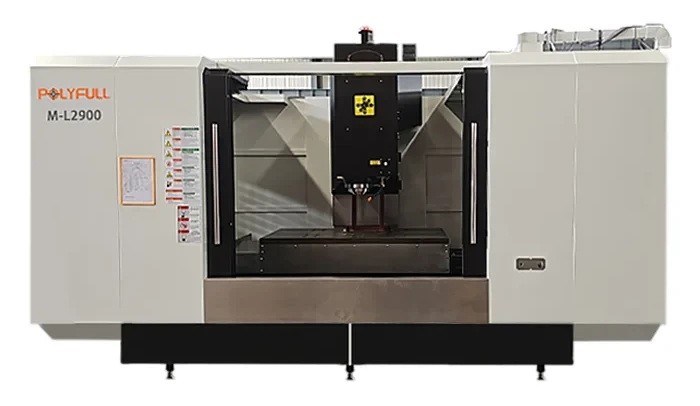
Automated Production for Increased Efficiency
Compared to traditional lathes, CNC vertical lathes can automatically complete operations such as clamping, cutting, tool changing, and measuring, reducing manual labor and increasing productivity by 20%-40%. Some models feature multi-axis linkage capabilities, enabling complex surface machining in a single setup and significantly reducing processing time. Many CNC vertical lathe manufacturers focus on enhancing automation in their latest models to meet modern production needs. For instance, an advanced model from a leading brand incorporates an automatic tool changer (ATC), reducing tool change time to just three seconds, and significantly improving machining efficiency.
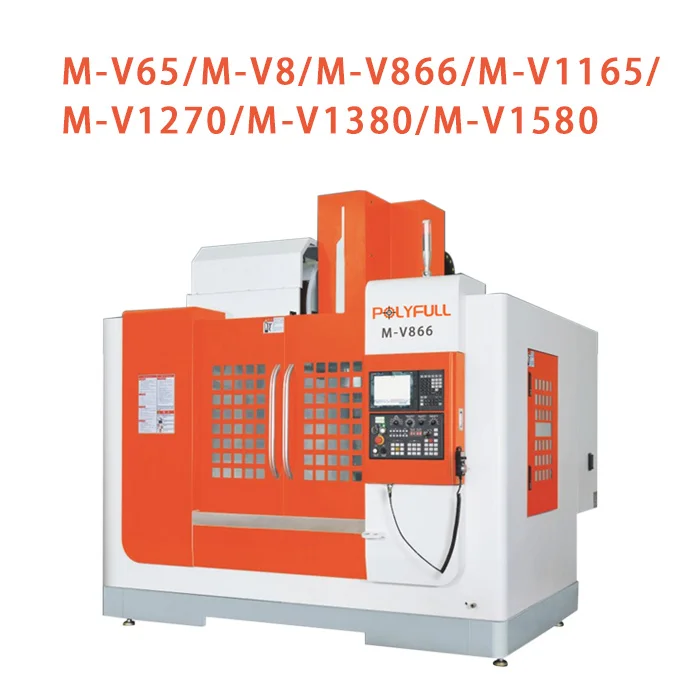
Versatile Adaptation to Various Workpiece Requirements
CNC vertical lathes support a wide range of tooling options, including carbide tools, ceramic tools, and PCD/CBN superhard tools, making them suitable for machining different materials. Proper CNC vertical lathe tool selection enhances machining quality and extends tool life. For example, when processing high-hardness alloy steel, CBN tools improve wear resistance and reduce the frequency of tool replacements.
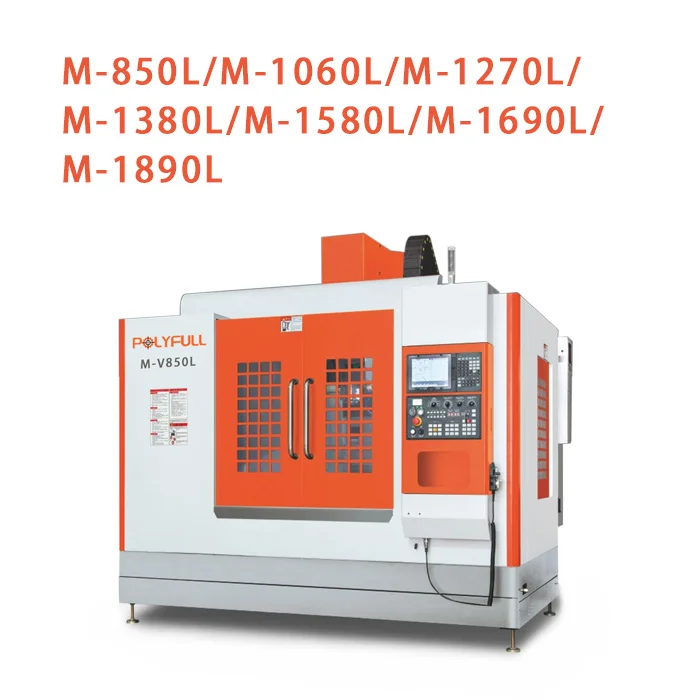
Maintenance and Precision Inspection
Regular CNC vertical lathe maintenance is essential for long-term stability and performance. Key precision parameters that require periodic inspection include:
Radial Runout of the Worktable: Using a precision dial indicator to check rotational accuracy, ensuring that runout remains within acceptable limits.
Parallelism Measurement: Employing test bars and optical scales to verify the alignment between the tool post movement and the worktable surface.
Repeatability Accuracy: Utilizing a laser interferometer ensures the CNC system's repeat positioning error stays within ±0.005mm, guaranteeing batch processing consistency.
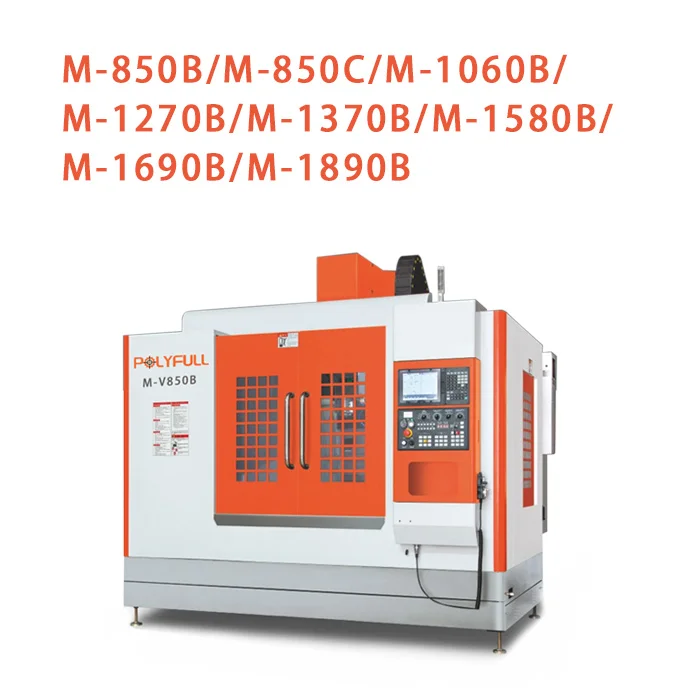
In summary, CNC vertical lathes, with their high precision, automation, flexibility, and ease of maintenance, have become essential for manufacturers aiming to enhance productivity. Selecting a reliable CNC vertical lathe manufacturer, making the right CNC vertical lathe tool selection, and performing routine CNC vertical lathe maintenance will ensure optimal machine performance and maximize business value.
Flat Bed CNC Lathe | Inclined Bed CNC Lathe | Machining Center | Industrial Robot