

In the aerospace industry, the use of hard-to-machine materials is becoming increasingly prevalent. High-strength, heat-resistant alloys, composite materials, and metal-composite hybrid structures are now essential in manufacturing aerospace components. These materials, while offering superior performance, pose significant machining challenges, requiring advanced solutions to ensure precision, efficiency, and cost-effectiveness.

Challenges in Machining Aerospace-Grade Materials
Hard-to-machine materials, such as titanium alloys, Inconel, and carbon fiber-reinforced composites, are known for their extreme toughness and poor machinability. Traditional cutting tools often struggle with excessive tool wear, high cutting forces, and poor surface finishes, leading to increased production costs and extended lead times. As a result, manufacturers must adopt innovative machining strategies and leverage the latest advancements in CNC technology.
Optimized Machining Solutions for Aerospace Components
The metalworking industry relies on state-of-the-art CNC machining centers to effectively process these demanding materials. 5-axis High-Speed Precision Milling Machining Centers play a critical role in aerospace manufacturing, offering multidirectional cutting capabilities that significantly reduce setup times while enhancing accuracy. These machines are particularly beneficial for complex geometries, such as turbine blades and aircraft structural components.
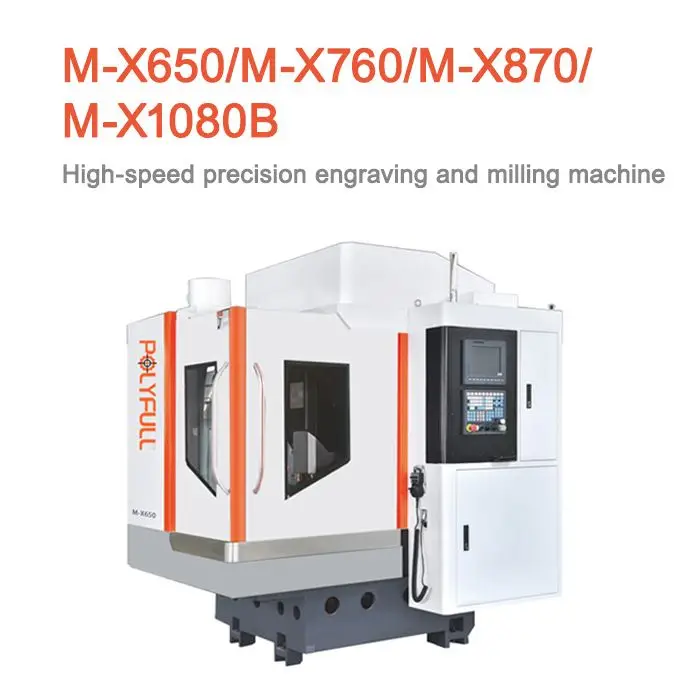
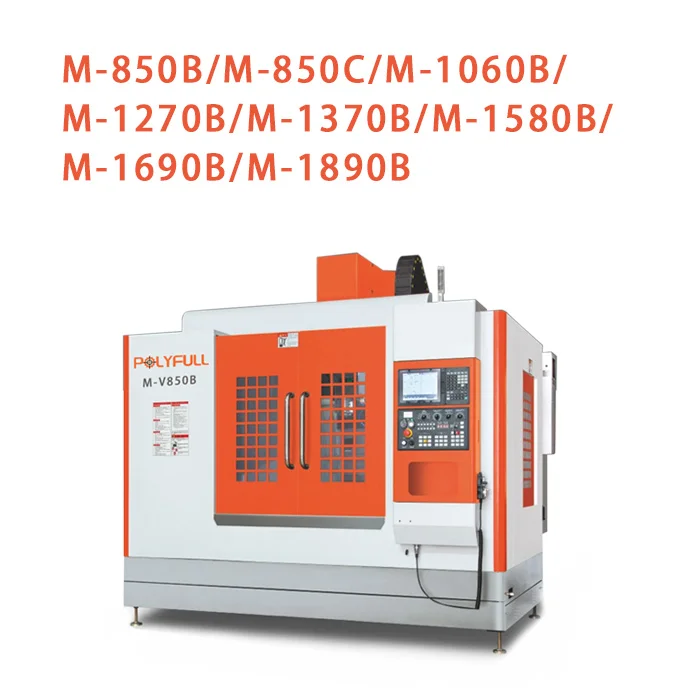
For applications requiring robust and stable machining, the Highly Rigid 3-Axis Vertical Machining Center provides excellent rigidity, minimizing vibrations and ensuring superior precision when cutting aerospace alloys. Meanwhile, large-scale components, such as wing spars and fuselage sections, benefit from the Gantry Profile Processing Center, which offers enhanced flexibility and high-speed material removal rates.
Innovations in Cutting Tool Technology
Advancements in cutting tool materials and coatings are crucial for improving machining performance. The development of super-hard materials, such as cubic boron nitride (CBN) and ceramic-based tools, along with nano-coatings, enhances wear resistance and thermal stability, allowing for higher cutting speeds and extended tool life.
Optimized tool geometries, including chip breakers and high-performance cutting-edge designs, further improve chip evacuation and reduce heat buildup. Integrated digital components, such as virtual simulation, tool life prediction, and real-time monitoring, are now widely used to enhance machining efficiency and accuracy.
Automation and Intelligent Manufacturing
With the rising demand for automation, Arc Welding Robots are revolutionizing aerospace component assembly, ensuring consistent weld quality and improved production efficiency. The integration of CNC machining with intelligent manufacturing solutions, such as digital twins and real-time data exchange, is paving the way for a smarter and more adaptive production environment.
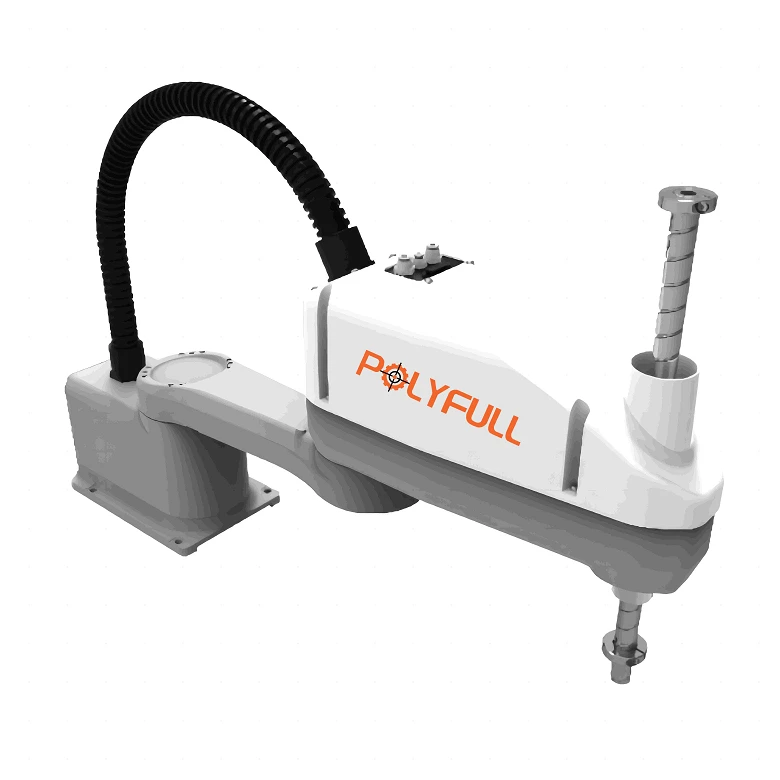
As the aerospace industry evolves, adopting high-performance CNC machining solutions is critical for maintaining competitiveness. Leveraging 5-Axis High-Speed Precision Milling Machining Centers, Highly Rigid 3-Axis Vertical Machining Centers, Gantry Profile Processing Centers, and Arc Welding Robots enables manufacturers to overcome machining challenges, optimize production efficiency, and ensure the highest quality standards in aerospace component manufacturing.
Dalian Polyfull Intelligence Technology Co., Ltd. Product List: Industrial Robot | CNC Lathe | Machining Center