

Installing a spray lacquer robot is a complex yet rewarding process that can significantly enhance the efficiency and quality of your lacquering operations. As a seasoned supplier of spray lacquer robots, I've witnessed firsthand the transformative impact these machines can have on various industries. In this blog post, I'll guide you through the step-by-step process of installing a spray lacquer robot, sharing valuable insights and best practices along the way.
Pre-Installation Preparations
Before you even unpack your spray lacquer robot, it's crucial to conduct thorough preparations to ensure a smooth installation process. Here are the key steps to take:
Site Assessment
The first step is to assess the installation site. Consider factors such as the available space, floor load capacity, and proximity to power sources and ventilation systems. The robot should be installed in a well-ventilated area to prevent the accumulation of lacquer fumes, which can be hazardous to human health. Additionally, ensure that the floor is level and capable of supporting the weight of the robot and its associated equipment.
Power and Utility Requirements
Next, determine the power and utility requirements of the spray lacquer robot. Most robots operate on a three-phase power supply, so you'll need to ensure that your facility has the appropriate electrical infrastructure. You'll also need to provide a clean and dry compressed air supply for the robot's pneumatic systems. Make sure to consult the robot's technical specifications for detailed information on power and utility requirements.
Safety Measures
Safety should always be your top priority when installing a spray lacquer robot. Before starting the installation process, ensure that all safety measures are in place. This includes installing safety fencing, emergency stop buttons, and safety interlocks to prevent unauthorized access to the robot's working area. You should also provide appropriate personal protective equipment (PPE) for your employees, such as respirators, goggles, and gloves.
Installation Process
Once you've completed the pre-installation preparations, it's time to start the installation process. Here are the key steps involved:
Unpacking and Assembly
Carefully unpack the spray lacquer robot and its components, following the manufacturer's instructions. Inspect the components for any damage or defects and report them immediately to the supplier. Assemble the robot according to the assembly manual, ensuring that all components are securely fastened and aligned.
Mounting the Robot
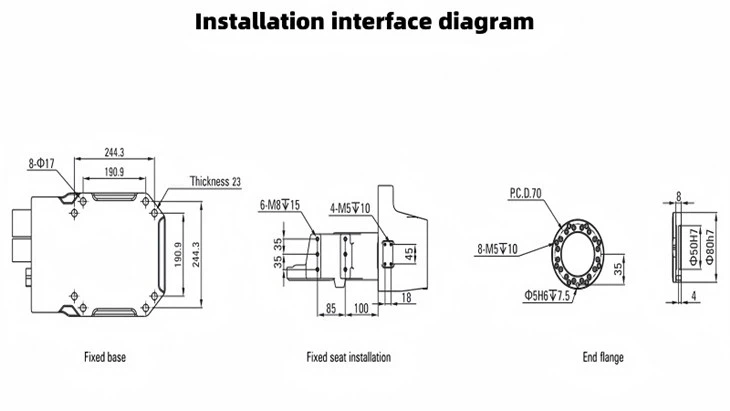
The next step is to mount the spray lacquer robot on its base or pedestal. Use a crane or forklift to lift the robot into position and secure it to the base using the provided mounting bolts. Make sure the robot is level and plumb to ensure accurate operation.
Connecting the Utilities
Connect the robot's power supply, compressed air supply, and other utilities according to the wiring diagram and piping layout provided in the installation manual. Use appropriate cables and hoses to ensure a secure and leak-free connection.
Programming and Calibration
Once the robot is installed and connected to the utilities, it's time to program and calibrate it. This involves teaching the robot the desired spray patterns and trajectories using a teach pendant or offline programming software. You'll also need to calibrate the robot's sensors and actuators to ensure accurate and consistent performance.
Testing and Commissioning
After programming and calibration, it's time to test the spray lacquer robot to ensure that it's operating correctly. Conduct a series of test runs using a sample workpiece to verify the robot's performance and adjust the programming as needed. Once you're satisfied with the test results, you can commission the robot for full production.
Post-Installation Support
Installing a spray lacquer robot is just the beginning. To ensure the long-term success of your investment, it's important to provide ongoing support and maintenance. Here are some key aspects of post-installation support:
Training
Provide comprehensive training for your employees on how to operate and maintain the spray lacquer robot. This includes training on programming, troubleshooting, and safety procedures. Make sure your employees are familiar with the robot's features and capabilities and are able to use it effectively.
Maintenance
Establish a regular maintenance schedule for the spray lacquer robot to ensure its reliable operation. This includes cleaning, lubrication, and inspection of the robot's components. Replace any worn or damaged parts promptly to prevent costly breakdowns.

Technical Support
As a supplier of spray lacquer robots, we offer comprehensive technical support to our customers. Our team of experienced technicians is available 24/7 to assist you with any technical issues or questions you may have. We also provide software updates and upgrades to ensure that your robot is always up-to-date with the latest features and functionality.
Related Products
In addition to spray lacquer robots, we also offer a range of other industrial robots to meet your specific needs. These include Automotive Welding Robot, Material Handling Robot, and Polish Robot. These robots are designed to improve productivity, quality, and safety in various industries.
Contact Us for Procurement and Negotiation
If you're interested in purchasing a spray lacquer robot or any of our other industrial robots, we'd love to hear from you. Our team of sales experts is ready to assist you with your procurement needs and answer any questions you may have. Contact us today to start the negotiation process and take your production to the next level.
References
- [Spray Lacquer Robot Installation Manual]
- [Industrial Robot Safety Standards]
- [Automotive Welding Robot Technical Specifications]
- [Material Handling Robot User Guide]
- [Polish Robot Operation Manual]