

Hey there! As a supplier of Inclined Bed CNC Lathes, I've seen firsthand how crucial efficiency is in the machining world. An efficient inclined bed CNC lathe can significantly boost productivity, cut costs, and improve the overall quality of your products. So, in this blog, I'm gonna share some tips on how to improve the efficiency of an Inclined Bed CNC Lathe.
1. Proper Machine Selection
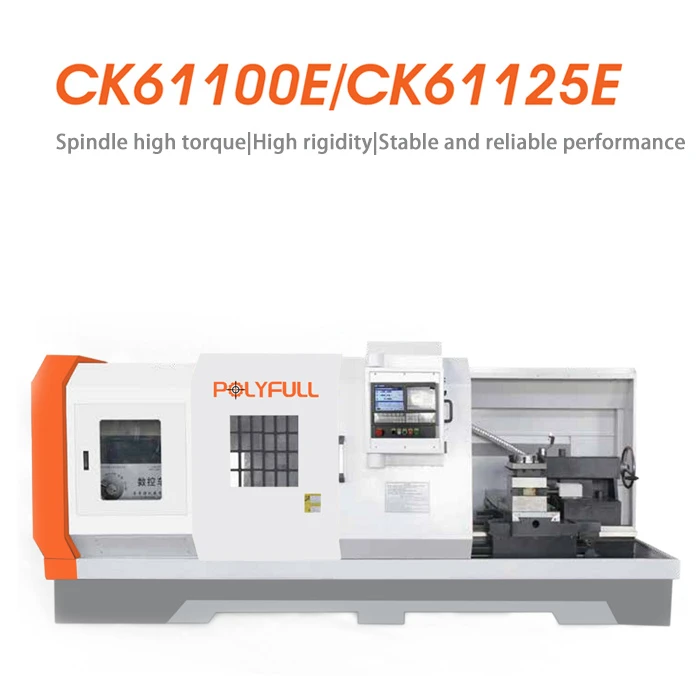
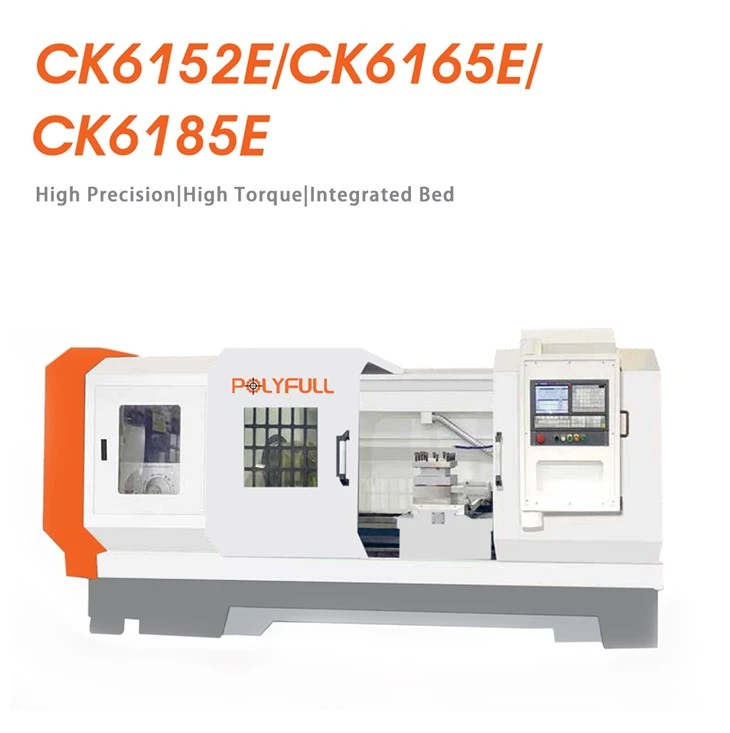
The first step to high - efficiency machining is choosing the right inclined bed CNC lathe for your needs. We offer a range of models, like the Integral - bed Hard - track CNC Lathe and the High Speed Slant Bed CNC Lathe.
The Integral - bed Hard - track CNC Lathe is known for its robust structure. The integral bed design provides excellent stability, which is super important when you're doing heavy - duty machining. It can handle large workpieces with ease, and the hard - track ensures smooth and accurate movement of the cutting tools.
On the other hand, the High Speed Slant Bed CNC Lathe is a great option if you need to work on high - volume, small - to - medium - sized parts. It can operate at high speeds, reducing the cycle time for each part. So, before you start using the lathe, make sure you've picked the one that matches your production requirements.
2. Tooling Optimization
The tools you use on your inclined bed CNC lathe can make a huge difference in efficiency. First of all, invest in high - quality cutting tools. Cheap tools may seem like a good deal at first, but they often wear out quickly, leading to frequent tool changes and downtime.
Choose the right tool geometry for the job. Different materials and machining operations require different tool shapes. For example, when machining aluminum, a tool with a sharp edge and a high rake angle can cut through the material more easily, reducing cutting forces and improving surface finish.
Also, keep your tools sharp. Dull tools not only produce poor - quality parts but also increase the power consumption of the lathe. You can use a tool grinder to sharpen your tools regularly or replace them when they're too worn.
3. Programming Efficiency
The CNC program is the brain of the inclined bed CNC lathe. A well - written program can save a lot of time and improve the overall efficiency of the machining process.
Use CAM (Computer - Aided Manufacturing) software to generate your CNC programs. CAM software can optimize tool paths, taking into account factors like cutting speed, feed rate, and tool engagement. It can also simulate the machining process, allowing you to detect and fix any potential issues before you start cutting the actual workpiece.
When programming, try to minimize unnecessary movements of the cutting tool. For example, instead of moving the tool back and forth across the workpiece multiple times, you can use a single continuous cut whenever possible. Also, group similar operations together to reduce the number of tool changes.
4. Maintenance and Lubrication
Regular maintenance is key to keeping your inclined bed CNC lathe running efficiently. Check the machine regularly for any signs of wear or damage. Inspect the belts, bearings, and screws, and replace them if necessary.
Lubrication is also crucial. Proper lubrication reduces friction between moving parts, which not only extends the lifespan of the machine but also improves its performance. Make sure you use the right type of lubricant for each part of the lathe. For example, use a high - quality spindle oil for the spindle and a hydraulic oil for the hydraulic system.
Keep the machine clean. Chips and debris can accumulate on the machine, causing problems like poor electrical connections and mechanical jams. Use a chip conveyor to remove chips from the work area during machining, and clean the machine thoroughly after each use.
5. Operator Training
Even the best - equipped inclined bed CNC lathe won't be efficient if the operator doesn't know how to use it properly. Provide comprehensive training for your operators. They should be familiar with the machine's controls, programming, and maintenance procedures.
Encourage your operators to share their experiences and ideas for improving efficiency. They're the ones who are using the machine every day, so they may have some valuable insights. For example, they may notice a particular setup or operation that can be optimized.
6. Workpiece Fixturing
Proper workpiece fixturing is essential for efficient machining. A good fixture holds the workpiece securely in place, preventing it from moving during the cutting process. This ensures accurate machining and reduces the risk of errors.
Choose the right type of fixture for your workpiece. For simple workpieces, a vise may be sufficient. But for more complex parts, you may need a custom - made fixture. Make sure the fixture is easy to install and remove, so you can quickly change over between different workpieces.
Also, consider using modular fixtures. Modular fixtures can be easily reconfigured for different workpieces, saving time and money on fixture design and production.
7. Utilize Automation
Automation can greatly improve the efficiency of an inclined bed CNC lathe. You can use robotic loaders and unloaders to handle the workpieces. This reduces the time spent on manual loading and unloading, allowing the machine to run continuously.
Automated tool changers are another great addition. They can change tools quickly and accurately, reducing the downtime associated with manual tool changes. Some modern inclined bed CNC lathes come with automatic tool measurement systems, which can measure the tool length and diameter and adjust the CNC program accordingly.
8. Monitoring and Data Analysis
Use sensors and monitoring systems to keep track of the performance of your inclined bed CNC lathe. These systems can collect data on factors like cutting forces, spindle speed, and temperature. By analyzing this data, you can identify any potential problems early and take corrective actions.
For example, if the cutting forces are increasing over time, it may indicate that the tool is wearing out. You can then schedule a tool change before the quality of the parts is affected. Data analysis can also help you optimize the machining parameters, such as cutting speed and feed rate, to improve efficiency.
9. Upgrade Your Machine
As technology advances, consider upgrading your inclined bed CNC lathe. Newer models often come with improved features, such as faster spindles, more accurate control systems, and better software. Upgrading your machine can significantly improve its efficiency and performance.
We also offer the Integral inclined - bed hard - track CNC lathe, which combines the advantages of integral bed design and hard - track technology. It's a great option if you're looking to upgrade your existing lathe or invest in a new one.
In conclusion, improving the efficiency of an inclined bed CNC lathe involves a combination of proper machine selection, tooling optimization, programming efficiency, maintenance, and more. By implementing these tips, you can increase the productivity of your machining operations, reduce costs, and improve the quality of your products.
If you're interested in learning more about our inclined bed CNC lathes or have any questions about improving efficiency, feel free to reach out for a procurement discussion. We're here to help you get the most out of your machining processes.
References
- Jones, T. (2018). CNC Machining Handbook. Industrial Press.
- Smith, R. (2020). Modern Tooling for CNC Lathes. Tooling Press.
- Brown, M. (2019). CNC Programming Basics. Programming Solutions Inc.