

In the modern industrial landscape, the demand for efficient and reliable automation solutions has been on the rise. As a supplier of Material Handling Robots, I often encounter inquiries regarding the suitability of our robots for food handling applications. This blog post aims to explore the feasibility, benefits, challenges, and considerations associated with using Material Handling Robots in the food industry.
Feasibility of Using Material Handling Robots in Food Handling
The short answer is yes, Material Handling Robots can indeed be used for food handling. These robots are designed to perform a wide range of tasks, including picking, placing, sorting, and palletizing. With advancements in technology, they can be customized to meet the specific requirements of the food industry.
One of the key factors contributing to the feasibility is the ability of Material Handling Robots to operate in a hygienic environment. They can be constructed with materials that are easy to clean and sanitize, such as stainless steel and food-grade plastics. Additionally, they can be equipped with features like sealed joints and smooth surfaces to prevent the accumulation of dirt and bacteria.
Another aspect is the precision and accuracy of these robots. They can handle delicate food products with care, ensuring minimal damage and waste. For example, they can pick up individual fruits or pastries without crushing them, and place them in the desired packaging with high precision.
Benefits of Using Material Handling Robots in Food Handling
Increased Efficiency
Material Handling Robots can work continuously without breaks, fatigue, or distractions. They can perform tasks at a much faster pace than human workers, leading to increased productivity. For instance, in a food packaging line, a robot can pick and place products into boxes at a rate of several hundred per minute, significantly reducing the packaging time.
Improved Hygiene
As mentioned earlier, these robots can be designed to meet strict hygiene standards. They eliminate the risk of human contamination, such as hair, skin particles, or bacteria, which can be a major concern in the food industry. This helps to ensure the safety and quality of the food products.
Enhanced Quality Control
Robots can perform repetitive tasks with consistent accuracy, reducing the variability in the handling process. This leads to improved quality control, as the products are handled and packaged in a uniform manner. For example, they can ensure that the correct amount of product is placed in each package, and that the packaging is sealed properly.
Cost Savings
Although the initial investment in Material Handling Robots may be high, they can result in long-term cost savings. They reduce labor costs, as fewer human workers are required to perform the same tasks. Additionally, they can reduce waste and rework, which further contributes to cost savings.
Challenges and Considerations
Regulatory Compliance
The food industry is highly regulated, and there are strict guidelines regarding the use of robots in food handling. It is important to ensure that the robots comply with all relevant regulations, such as those related to food safety, hygiene, and labeling. This may require additional testing and certification.
Food Compatibility
Not all food products are suitable for handling by robots. Some products may be too delicate, sticky, or irregularly shaped, making it difficult for the robots to pick and place them. It is important to consider the characteristics of the food products and select the appropriate robot technology accordingly.
Integration with Existing Systems
Integrating Material Handling Robots into an existing food processing or packaging line can be a complex task. It requires careful planning and coordination to ensure that the robots work seamlessly with the other equipment and systems. This may involve modifying the existing infrastructure, such as conveyor belts or packaging machines.
Maintenance and Support
Like any other equipment, Material Handling Robots require regular maintenance and support to ensure their optimal performance. It is important to have a reliable maintenance plan in place, and to have access to technical support in case of any issues.
Examples of Material Handling Robots in Food Handling
Picking and Packaging Robots
These robots are commonly used in food packaging lines to pick up individual products, such as fruits, vegetables, or snacks, and place them in the appropriate packaging. They can be equipped with different types of grippers, such as vacuum grippers or mechanical grippers, depending on the nature of the products.
Palletizing Robots
Palletizing robots are used to stack food products on pallets for storage and transportation. They can handle a variety of products, including boxes, cans, and bags, and can stack them in different patterns and configurations.
Sorting Robots
Sorting robots are used to separate food products based on their size, shape, color, or other characteristics. They can be used in food processing plants to sort fruits, vegetables, or grains, for example.
Considerations for Selecting a Material Handling Robot for Food Handling
Payload Capacity
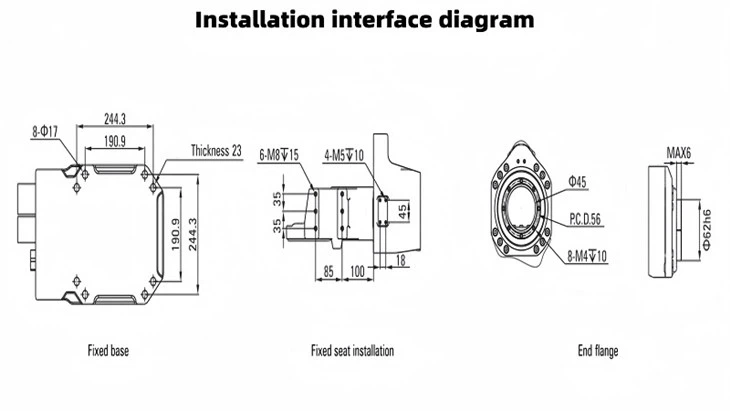
The payload capacity of the robot should be sufficient to handle the weight of the food products. It is important to consider the maximum weight of the products that will be handled, as well as the weight of any packaging or fixtures.

Reach and Range
The reach and range of the robot should be suitable for the application. It should be able to reach all the required locations in the food handling process, such as the conveyor belts, packaging machines, or pallets.
Speed and Accuracy
The speed and accuracy of the robot are important factors to consider. It should be able to perform the tasks at the required pace, while maintaining a high level of accuracy. This is particularly important for tasks such as picking and placing delicate food products.
Flexibility
The robot should be flexible enough to handle different types of food products and packaging. It should be able to adapt to changes in the production process, such as new product introductions or changes in the packaging design.
Safety Features
Safety is of utmost importance in the food industry. The robot should be equipped with appropriate safety features, such as sensors, guards, and emergency stop buttons, to prevent accidents and injuries.
Conclusion
In conclusion, Material Handling Robots can be a valuable asset in the food handling industry. They offer numerous benefits, such as increased efficiency, improved hygiene, enhanced quality control, and cost savings. However, there are also some challenges and considerations that need to be addressed, such as regulatory compliance, food compatibility, integration with existing systems, and maintenance and support.
If you are considering using Material Handling Robots in your food handling operations, I encourage you to contact us for a consultation. We have a wide range of robots available, including Automotive Welding Robot, Burnishing Robot, and Arc Welding Robot, which can be customized to meet your specific requirements. Our team of experts will work with you to understand your needs and provide you with the best solution.
Let's work together to improve the efficiency, hygiene, and quality of your food handling processes. Contact us today to start the conversation.
References
- "Automation in the Food Industry: Trends and Challenges" by John Smith, Food Technology Magazine, 2022.
- "Material Handling Robotics: Applications and Benefits" by Jane Doe, Industrial Robotics Journal, 2021.
- "Hygiene Standards for Robots in the Food Industry" by Robert Johnson, Food Safety Journal, 2020.