

In today's competitive manufacturing landscape, the best line rail inclined bed lathe has become a cornerstone of high-precision machining. Especially for brands like Polyfull-machine, which focus on reliable and efficient CNC solutions, understanding the design and testing methods of inclined bed lathes is critical for maximizing productivity and accuracy.
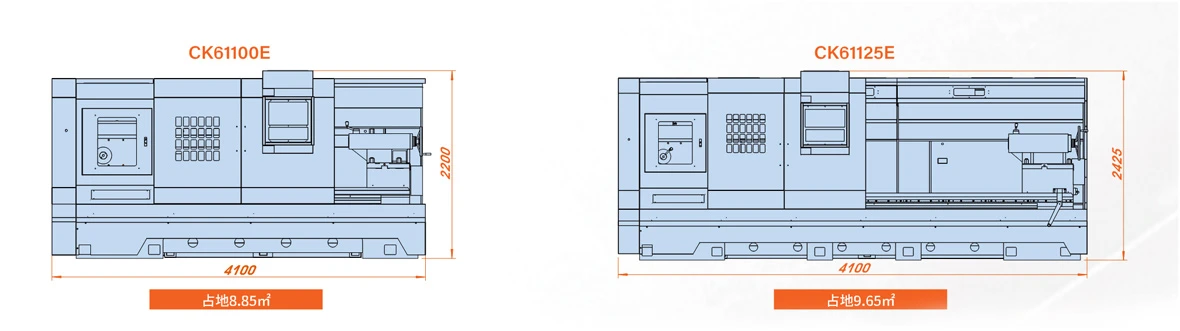
Structural Highlights of High-Precision Inclined Bed CNC Lathes
At the heart of a high-precision line rail CNC lathe is the inclined bed design-typically angled between 30° and 45°. This inclination allows gravity-assisted chip evacuation, reduces cutting resistance, and enhances both structural rigidity and thermal stability. These advantages make it a preferred choice for CNC lathe for aluminum and steel cutting tasks in demanding industrial environments.
For manufacturers seeking the best inclined bed CNC lathe machine, the spindle system is a key performance factor. Supported by high-precision bearings, the spindle ensures excellent rotational accuracy and durability during extended high-speed operations. It's ideal for applications like a CNC lathe for high-speed turning and an inclined bed lathe for heavy cutting, where precision and endurance are non-negotiable.
Modern inclined bed lathes-such as those offered by Polyfull-machine(www.polyfull-machine.com/) equipped with multi-axis CNC control and automatic tool changers. These features support multi-process integration, including turning, milling, and drilling, offering increased flexibility and reduced cycle times. Particularly when machining large components, a line rail CNC lathe for large parts provides unmatched performance in terms of both precision and speed.
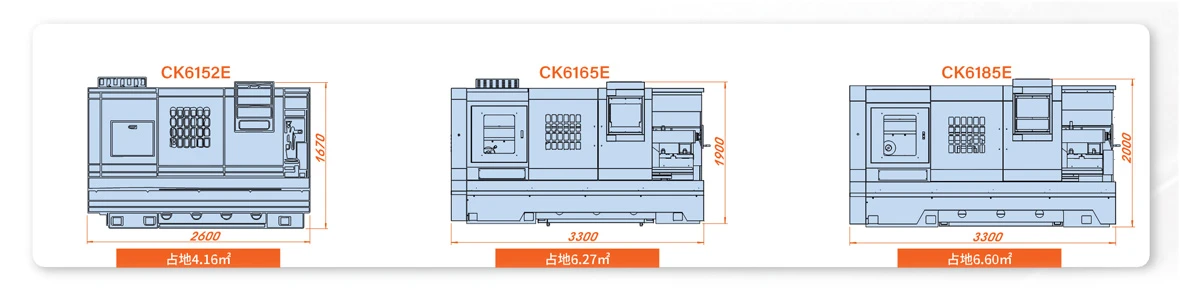
Key Measurement and Commissioning Procedures
1. Installation and Commissioning
To ensure optimal performance from your industrial CNC lathe for stable machining, correct installation is essential. This includes:
Leveling: Adjust machine feet or damping supports to ensure the bed is perfectly horizontal, preventing guideway distortion.
Initial System Check: Verify mechanical and electrical systems are operating smoothly through a no-load trial run of at least 2 hours.
2. Precision Verification
Geometric Accuracy: Assess guideway straightness, flatness, and alignment using tools like laser interferometers and precision indicators.
Kinematic Accuracy: Measure spindle runout and feed drive precision to guarantee the machine meets high-performance requirements, especially for CNC lathes for high-speed turning.
3. Tool System Testing
The tool system, essential in any high-rigidity inclined bed CNC lathe, must be regularly inspected for wear, positioning accuracy, and compensation values to maintain part consistency and minimize scrap.
Application Fields and Market Relevance
Inclined bed lathes, particularly those built with linear rails and heavy-duty structures, are widely used in sectors like aerospace, automotive, and industrial equipment. Data shows that inclined bed CNC lathes reduce chip buildup by 25% and improve tool lifespan by 15% compared to flat-bed designs.
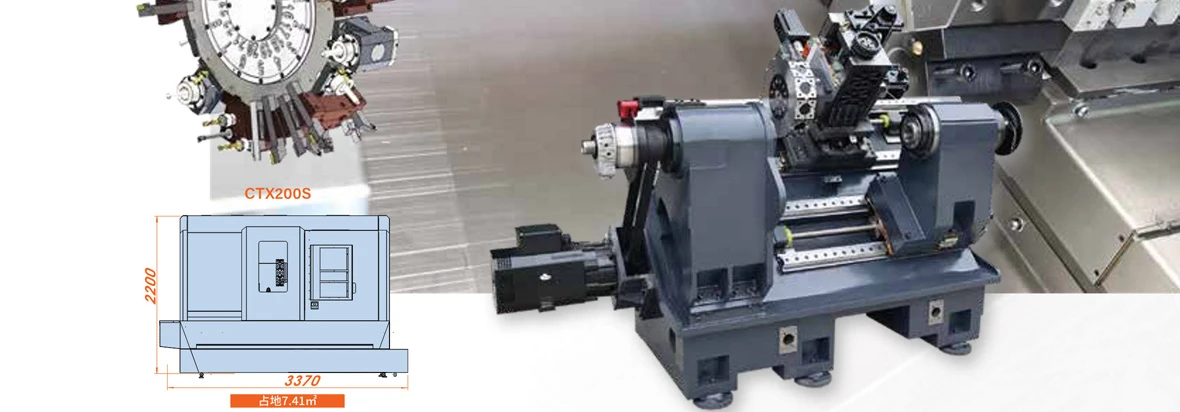
As a leader in the field, Polyfull-machine offers a full range of CNC solutions tailored for inclined bed CNC lathe for sale, with advanced control systems, customizable tooling packages, and high-rigidity frames that enable accurate machining of complex and heavy components.
Whether you are producing small, intricate parts or large precision shafts, investing in a polyfull-machine lathe means choosing efficiency, reliability, and cutting-edge technology.
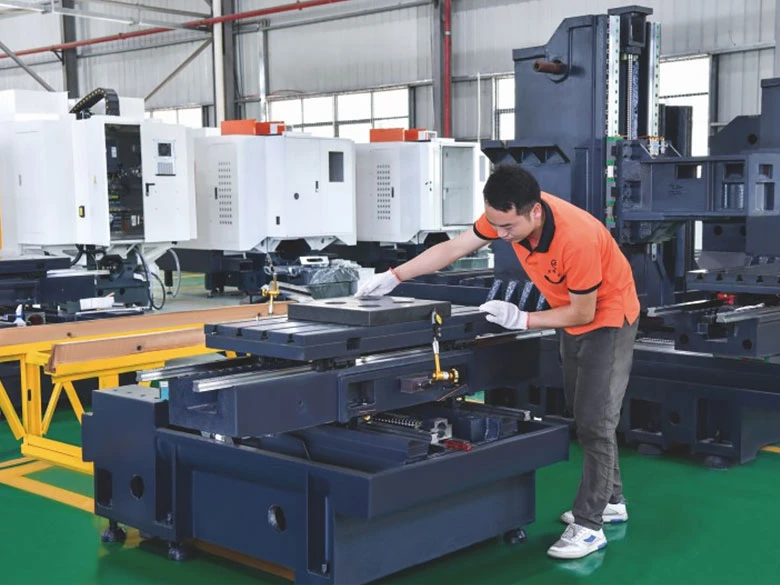
From its thoughtfully engineered inclined structure to its precise measurement standards, the best line rail inclined bed lathe represents the future of high-efficiency manufacturing. With brands like Polyfull-machine setting benchmarks in design and functionality, these machines empower businesses to achieve excellence in productivity, repeatability, and machining quality. If you're aiming to scale operations and maintain top-tier precision, a high-precision line rail CNC lathe should be at the core of your machining arsenal.