

In modern precision manufacturing, inclined-bed CNC lathes are widely adopted across industries such as automotive, aerospace, and mold making for their structural rigidity, machining efficiency, and adaptability to complex operations. Models equipped with linear guideways, such as the line rail inclined bed lathe and the inclined-bed line rail lathe, perform exceptionally well in high-speed, high-precision, and continuous production environments. However, increased application intensity has brought attention to excessive noise issues, which not only affect the work environment but may also indicate hidden mechanical or electrical malfunctions that compromise long-term operational stability.
|
|
|
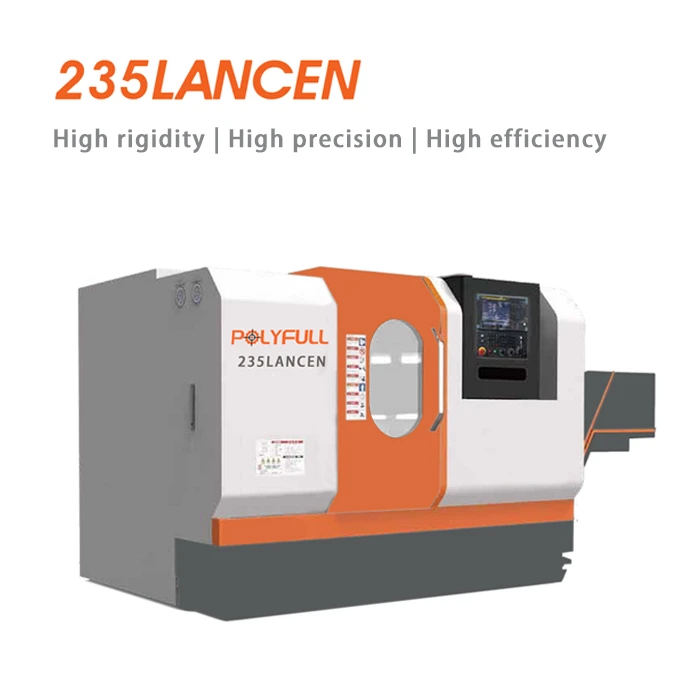
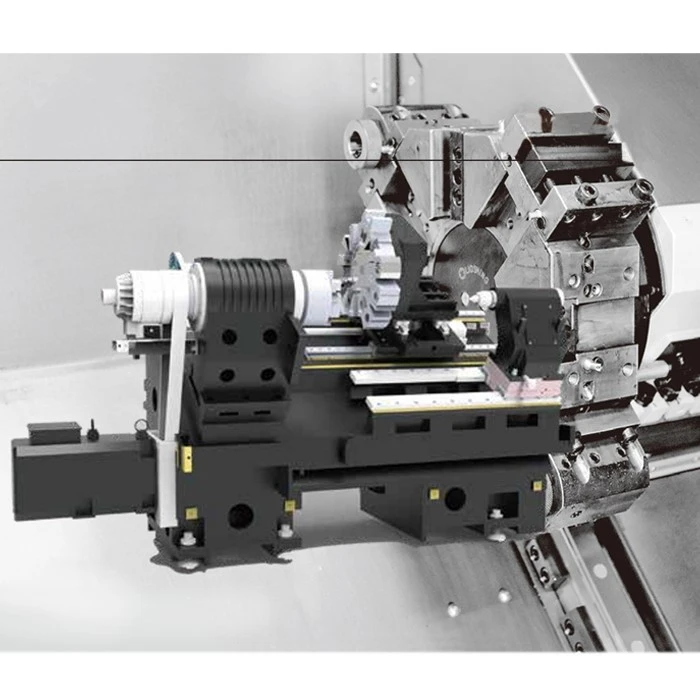
Common Sources of Noise in CNC Lathes
During the operation of a CNC lathe for long-term production use, noise typically originates from one of three systems: mechanical, electrical, or hydraulic.
- Mechanical sources include loose spindle box mounting bolts, insufficient or damaged spindle bearing preload, poor dynamic balance of the spindle assembly, excessive gear backlash, and poor lubrication-issues especially critical in hard rail inclined bed lathes, which are often used for heavy-duty cutting.
- Electrical sources may involve unstable power supply, phase loss, improperly set circuit breakers, and maladjusted servo gain or regenerative braking circuits.
- Hydraulic sources can include noisy pumps, fluid contamination, or resonance caused by improper pipeline layout.
Diagnostic Methods and Targeted Solutions
|
|
|
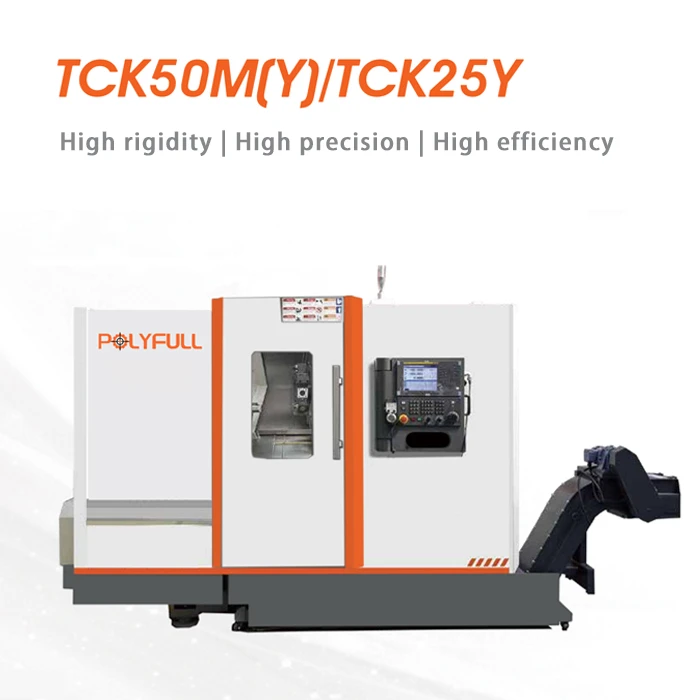
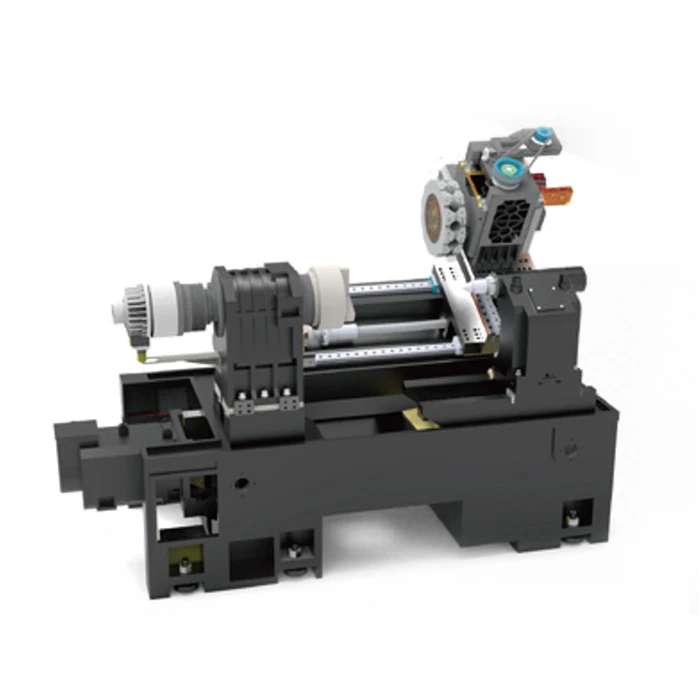
Accurate source identification is essential for effective noise control. For industrial CNC lathes with linear rails, the following diagnostic approaches are recommended:
- Observe the spindle during constant speed or free-run deceleration to determine whether bearing issues or poor balance are present.
- Check the lubrication system's effectiveness, as inadequate lubrication can accelerate wear and generate noise.
- Inspect power supply voltage stability, adjust servo parameters, and gain circuits where necessary.
- Ensure hydraulic pumps are properly mounted and vibration-damped, and verify the use of low-noise hydraulic components and high-quality fluids with strong de-aeration properties.
Mechanical noise can be addressed by tightening fasteners, adjusting or replacing bearings, correcting dynamic balance, or improving gear meshing and lubrication. Electrical noise requires voltage stabilization, proper parameter settings, and servo tuning. These procedures are critical for CNC lathes for automotive part machining or CNC lathes for stainless steel components, where long-term performance is expected under demanding conditions.
Strategies for Enhancing Stability and Reducing Noise
To ensure optimal operation in environments requiring high precision, such as CNC lathes for custom metal parts, manufacturers and operators should adopt the following practices:
- Schedule regular maintenance to inspect drive chains, spindle assemblies, and lubricating systems.
- Apply appropriate cutting parameters to prevent resonance and vibration during the cutting process.
- Use flexible couplings and install vibration-damping materials in hydraulic systems.
- Optimize pipeline layout to minimize length and improve rigidity, thus preventing resonance.
- Select premium-grade tooling to ensure stable contact with the workpiece and minimize cutting-induced noise.
- Choose models like the inclined-bed CNC lathe for workshop use, which feature advanced noise-reduction designs and ergonomic structure.
Equipment Selection for Versatile Applications
The increasing demand for high-rigidity, high-stability machines across industries requires solutions that cater to both batch and complex part production. The line rail CNC lathe for complex machining offers excellent repeatability and smooth axis movement, ideal for high-precision applications involving materials such as aluminum or stainless steel.
|
|
|
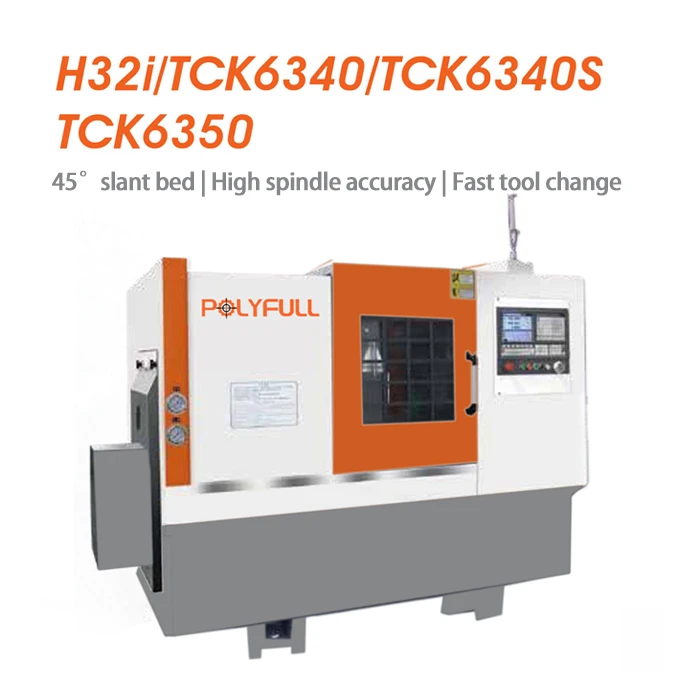
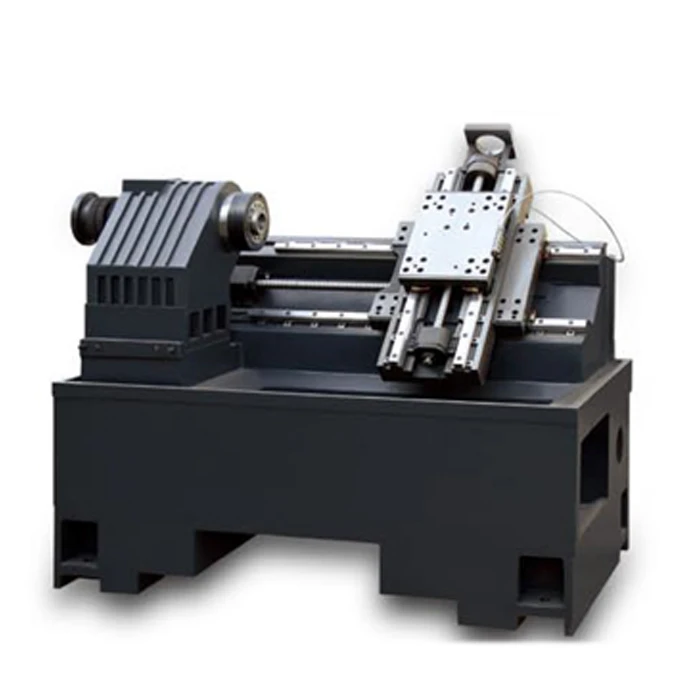
For heavy-load conditions, hard rail inclined bed lathes provide the required structural support and torque resistance. Meanwhile, companies pursuing both speed and precision often opt for high-performance models like the inclined-bed CNC lathe for metal parts or the best CNC lathe for custom metal parts, which integrate advanced control systems, thermal stability, and dynamic balancing.
The issue of excessive noise in inclined-bed CNC lathes should not be underestimated. It affects not only operator comfort but also signals potential threats to machine integrity. By conducting systematic diagnostics across mechanical, electrical, and hydraulic domains-and implementing targeted corrective measures-manufacturers can enhance machine stability, reduce noise levels, and ensure high-precision output. Selecting the right equipment, such as an inclined-bed line rail CNC lathe, plays a vital role in supporting safe and efficient manufacturing in diverse industrial scenarios.