

As a kind of precision machining equipment, CNC internal thread grinding machine occupies a crucial position in the machinery manufacturing industry. In order to guarantee the quality of machined parts, quality monitoring of the machining process is particularly critical. Then how to efficiently carry out quality monitoring in CNC internal thread grinding machine processing?
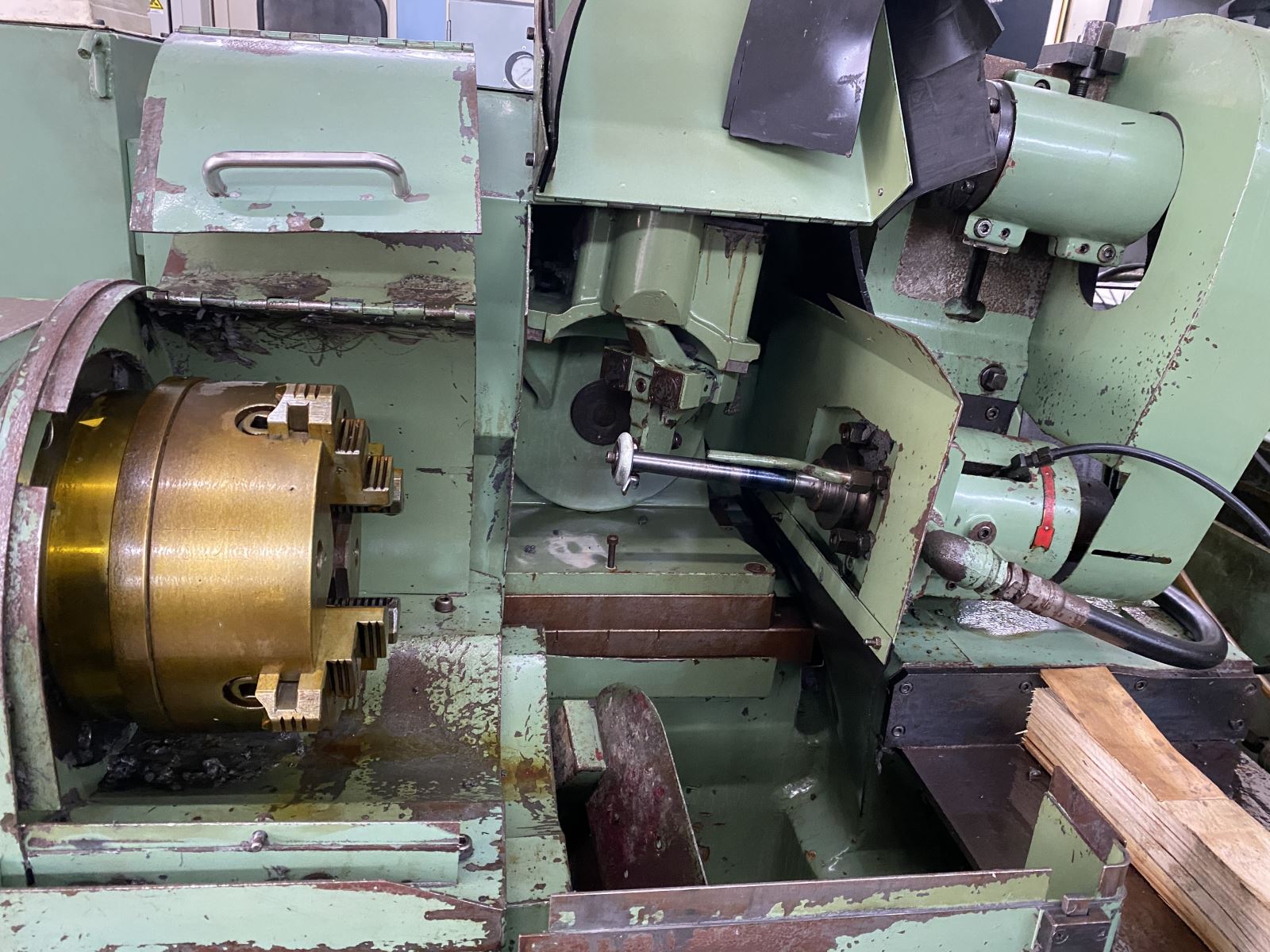
1. Monitoring process parameters
During the operation of CNC internal thread grinding machine, the reasonable setting and precise control of process parameters have a direct impact on the processing quality. The key process parameters are grinding speed, feed rate, depth of cut, etc. Through the built-in sensors, we can track the changes of these parameters in real time. Through the built-in sensors of the machine tool, we can track the changes of these parameters in real time, identify and correct the deviation in time, so as to guarantee the stability and accuracy of machining. At the same time, using the data logging function of the CNC system, we can track the parameter changes during the machining process, which provides valuable data reference for the optimization of the subsequent process.
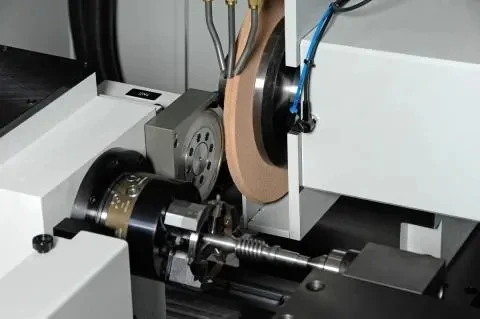
2. Monitoring the grinding process
Parameters such as grinding force, grinding temperature, and grinding pattern during the grinding process are also key indicators of machining quality. With advanced sensor technology, these key data can be captured in real time and analyzed by the CNC system or independent monitoring software. In the event of abnormalities, such as abnormally high grinding force, abnormally high temperature or abnormal grinding pattern, the system will automatically issue an alarm or automatically adjust the machining parameters to prevent the degradation of machining quality.
3. Accuracy testing
After the machining task is completed, precision testing of the workpiece is an important step to verify its quality. For the inspection of internal threads, the commonly used methods include single measurement and comprehensive measurement. Single measurement can be carried out by vernier calipers, pitch gauges and other tools to measure key dimensions such as large diameter, pitch and center diameter of threads. While comprehensive measurement uses tools such as thread plug gauges and ring gauges to evaluate the overall accuracy and fit of the thread. In addition, the use of modern measuring tools such as high-precision thread comprehensive measuring instruments and image measuring equipment can further enhance the accuracy and efficiency of measurement.
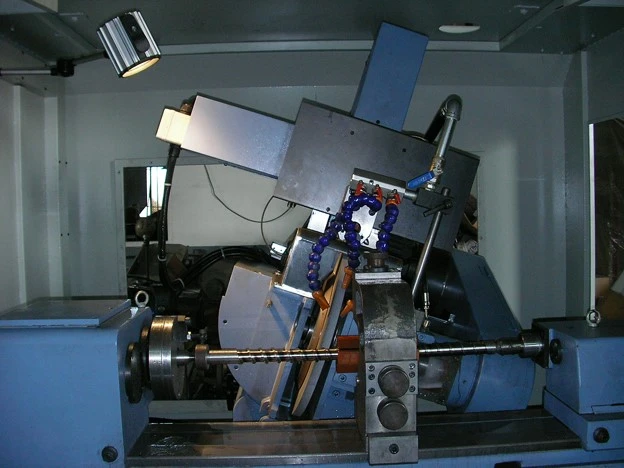
4. Data analysis and feedback
Collecting, organizing and analyzing data from monitoring and inspection results is essential to continuously improve machining quality. Through data analysis, the main factors affecting machining quality, such as tool wear and improper process parameter settings, can be identified, and improvement measures can be developed accordingly. At the same time, the results of these analyses are fed back to the production site to guide operators in adjusting machining parameters, replacing tools, or optimizing the process flow, in order to promote the continuous improvement of machining quality.
The quality monitoring of CNC internal thread grinding machine processing is a complex process with multiple intertwined links. Through the comprehensive use of process parameter monitoring, grinding process monitoring, precision testing and data analysis and feedback, etc., it can ensure the stability and reliability of the processing quality, so as to provide solid support for the enhancement of the enterprise's production efficiency and product quality assurance.
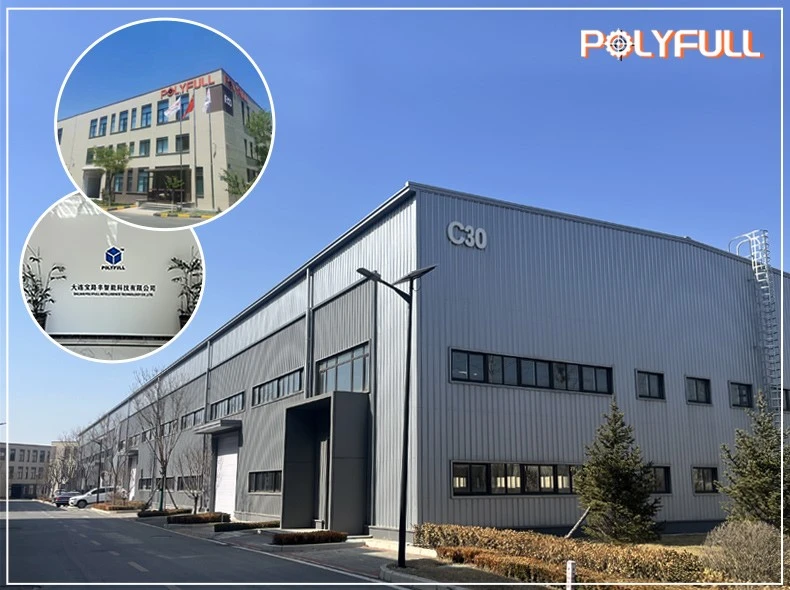
Dalian Polyfull Intelligence Technology Co., Ltd. founded in 2015, has 15,000 square meters of its own plant, as well as an excellent technical team consisting of more than 50 personnel.
The company has a strong independent research and development capabilities, according to the needs of different industries, independent design, development, commissioning of a variety of CNC machine tools and equipment (lathes, milling machines, grinders, etc.) multi-axis machining centers (three-axis, five-axis, gantry, etc.) and robotic arms (welding robots, slicing robots, spraying robots, assembly robots, handling robots, testing robots, arc welding robots, etc.). Our machine tools, multi-axis machining centers and robotic arms are widely used in many fields such as automotive, aviation, aerospace, electronics, molds, etc. They are exported to more than 60 countries and regions, and are well received by customers.