

In modern manufacturing, horizontal CNC lathes play a vital role in mold making, automotive part production, and high-precision component machining. With the growing availability of equipment from Linear rail flat bed CNC lathe suppliers and China Hard rail flat bed CNC lathe manufacturers, companies now have more flexible options for selecting machines tailored to their needs. However, the reliability of the automatic tool changing system (ATC) remains a critical factor influencing machining efficiency and equipment performance.
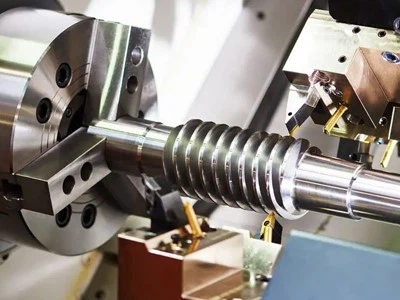
Fault Type 1: Tool Magazine Disorder
One of the most frequently encountered issues in Hard rail flat bed CNC lathes is tool magazine disorder. This typically occurs when the programmable machine controller (PMC) loses parameters or the stored tool position data doesn't match the actual status. Users of Customized Hard rail flat bed CNC lathes often report this after improper machine maintenance or accidental manual operations during repairs.
Resolution methods include:
Manually repositioning the tool magazine
Re-initializing tool data via the system settings
Restoring default parameters if necessary
At the China Hard Rail flat bed CNC lathe factory, machines typically undergo multiple rounds of tool change testing before shipment to minimize such risks. Nonetheless, routine checks on PMC parameters are recommended, especially after power failures or software updates.
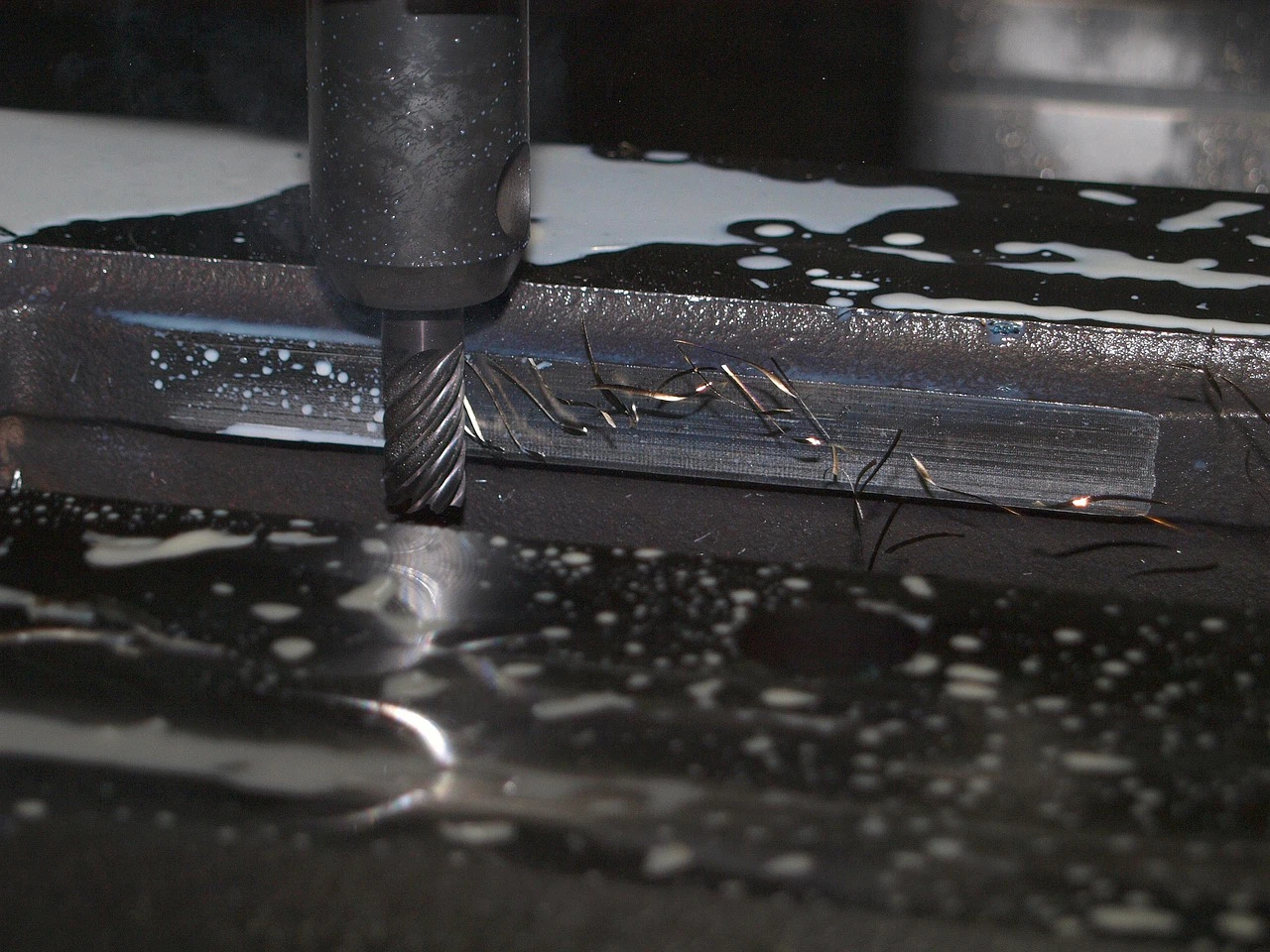
Fault Type 2: Tool Jamming During Change
Tool jamming can occur when the tool fails to properly disengage from the spindle, or when the tool arm is obstructed during motion. This issue is occasionally found in users of cheap Linear rail flat bed CNC lathes, often due to inadequate lubrication or frequent high-load operations.
Recommended solutions include:
Releasing the motor brake and manually rotating the tool arm to disengage
Ensuring the spindle is in the tool-release state
Resetting the brake and running the MDI (Manual Data Input) tool for change testing
China Profile Precision Machining Center factory recommends a full inspection of the ATC system every 800 working hours, particularly in environments with frequent tool changes, such as automotive brackets or structural component production lines.
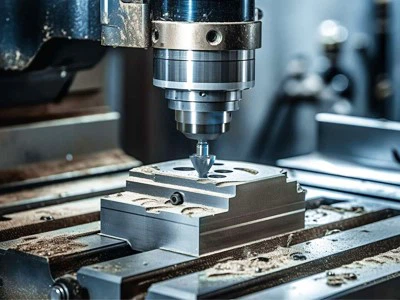
Fault Type 3: Spindle Orientation Error
Incorrect spindle stop position is another common issue in automatic tool-changing systems. This usually results from unstable spindle orientation signals or inaccurate angular positioning.
To correct this fault:
Check encoder signals and eliminate interference
Adjust the spindle orientation angle using the ATC macro program
Realign the spindle key with the mechanical arm key slot
Machines from Customized Profile Precision Machining Center suppliers or Gantry Profile Processing Center manufacturers typically include advanced encoder feedback systems, significantly reducing orientation-related issues during automatic tool changes.
Additional Faults: Electrical and Mechanical Issues
Beyond the faults listed above, other electrical or mechanical failures can impact ATC operation:
Electrical issues include short circuits, broken I/O signals, or sensor misalignment
Mechanical issues involve stuck tool arms, hydraulic/pneumatic failure, or loosened mechanical parts
Troubleshooting should be carried out using PLC ladder diagrams and system diagnostic tools. For users of cheap High Rigidity Hard Rail Gantry Machining Center models, it's recommended to service pneumatic and hydraulic systems every 1000 operational hours to maintain smooth ATC function.
Maintenance Is Key to Efficiency
Whether using a Hard rail flat bed CNC lathe in stock for mold machining or a Customized Hard rail flat bed CNC lathe for special production runs, the stable operation of the ATC system is essential. Manufacturers should implement systematic maintenance plans and provide proper training to operators for efficient troubleshooting.
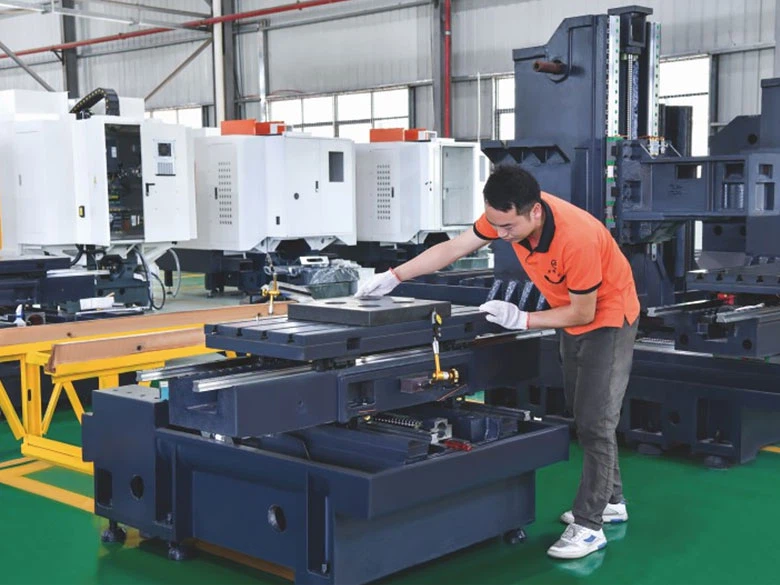
As technology continues to evolve, Linear rail flat bed CNC lathe suppliers are integrating more intelligent features into their equipment, improving overall ATC reliability. Until such systems become fully autonomous, it remains essential for operators to possess strong diagnostic skills and practical experience to keep production stable and efficient.