

CNC lathes are essential in industries such as automotive parts manufacturing, custom parts production, and high-precision metalworking. High-precision flat bed CNC lathes and CNC lathes with linear motion systems are widely used for their accuracy and versatility in turning metal parts and other complex tasks. However, like any sophisticated machinery, CNC lathes can experience tool post-related failures that compromise their performance. In this article, we'll explore common tool post issues and provide effective solutions to ensure that your industrial CNC lathe with linear guide rails operates at peak efficiency.
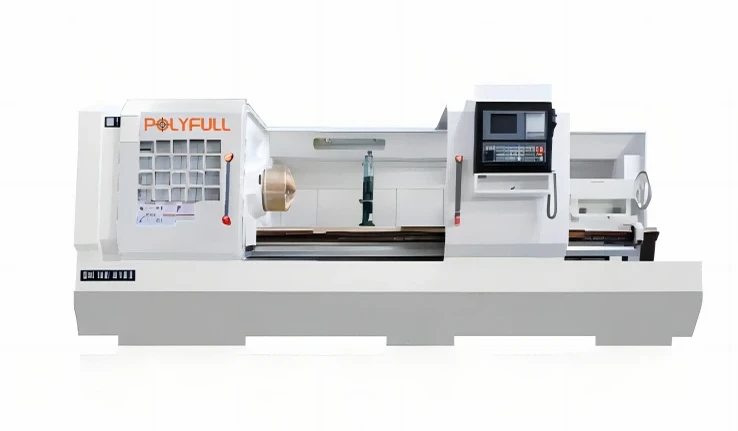
Tool Post Issues in CNC Lathes
The tool post is a critical component in CNC lathes for turning metals and CNC machines with linear rail systems. Even minor faults can disrupt machining processes, leading to reduced accuracy and increased downtime. Below are the most common tools post failures, along with practical solutions.
1. Tool Post Fails to Lock Properly
Symptoms: The tool post does not lock into place properly, leading to misalignment during machining. This can affect both small-batch and high-precision projects.
Causes & Solutions:
Incorrect Encoder Disk Positioning: If the encoder disk is misaligned with the Hall sensor, the tool post may fail to lock.
Solution: Open the tool post cover and adjust the encoder disk so that the Hall sensor aligns with the magnetic steel, ensuring accurate tool positioning.
Insufficient Locking Time in the System: A too-short locking time can prevent the tool post from staying in position.
Solution: Adjust the system's locking time. For most CNC lathes with linear rail for turning, a lock time of around 1.2 seconds is recommended.
Mechanical Locking Failure: The mechanical components might be worn out or damaged.
Solution: Inspect the locking mechanism and positioning pins, replacing any worn parts.
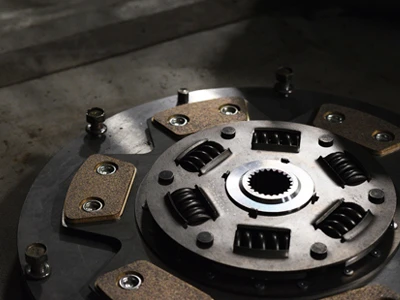
2. Specific Tool Position Fails to Rotate
Symptoms: One tool position does not rotate, while others function properly. This issue is especially problematic in CNC lathe with flat bed for precise turning or CNC lathes for automotive parts.
Causes & Solutions:
Damaged Hall Sensor: If the Hall sensor for a specific tool position is malfunctioning, the tool may fail to rotate.
Solution: Use a multimeter to check the sensor's signal. If there is no voltage change when rotating the tool, the sensor is likely faulty. Replace it as needed.
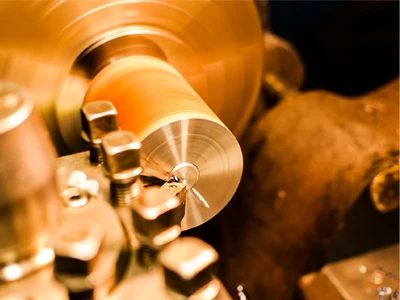
Broken Signal Line: A disconnection or break in the signal wire could prevent the system from detecting the tool's position.
Solution: Inspect the wiring and reconnect any broken lines. Ensure all connections are secure.
Faulty Mainboard: If the Hall sensor and wiring are intact, the issue may lie within the mainboard or signal reception circuit.
Solution: Replace the mainboard or repair the signal reception circuit as required.
Maintaining CNC Lathes for Peak Performance
To keep CNC lathes with linear motion systems running efficiently, regular maintenance is crucial. This is especially true for heavy-duty CNC lathe machines used in high-volume or complex machining tasks. Here are some tips to enhance the longevity and accuracy of your CNC lathe.
Regular Inspections: Ensure the linear rails and motion systems are free from debris. Misalignment in linear rail CNC lathes for automotive parts can lead to poor machining results, especially for precision tasks.
Lubrication: Keep the linear guide rails properly lubricated to reduce friction and prevent wear. Regular lubrication is essential to maintain the smooth operation of CNC lathes with flat bed for turning metals.
Software Calibration: Periodic calibration of the system ensures that tool positions are precise and movements are correctly executed, improving machining accuracy and reducing errors.
Data-Driven Optimization: According to a study by Machine Tool Technology Review, regular preventive maintenance can extend the life of CNC machines by up to 40%. This is particularly valuable for industrial CNC lathes with linear guide rails, which require precision in every motion.
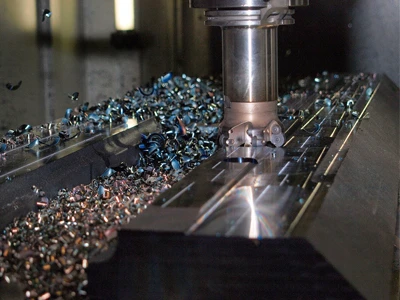
Understanding common CNC lathe tool post failures and implementing effective solutions can significantly enhance the performance and reliability of your machinery. Whether you're working with CNC lathe machines for turning metals, flat bed CNC machines for precision turning, or heavy-duty CNC lathes, maintaining your tool post and related components is essential for minimizing downtime and ensuring accurate, high-quality machining. By following the best maintenance practices outlined above, you can ensure that your linear rail CNC lathe for high-speed machining continues to deliver exceptional results in the production of complex parts and high-precision components.
Regular troubleshooting, timely repairs, and proper maintenance will keep your CNC lathes running at their best, whether you are manufacturing custom parts or machining automotive parts. Proper care not only extends the life of your equipment but also ensures that you consistently meet your precision and production goals.