

In modern manufacturing, dual-spindle CNC lathes are critical machines whose stability and machining accuracy directly impact production efficiency and product quality. A well-executed daily maintenance routine not only extends the life of the equipment but also ensures that the lathe consistently operates at peak performance. Industry data indicates that regular maintenance can extend a machine's service life by 20%-30% while reducing failure rates by 15%-20%.
1. Extending Equipment Longevity and Ensuring Precise Machining
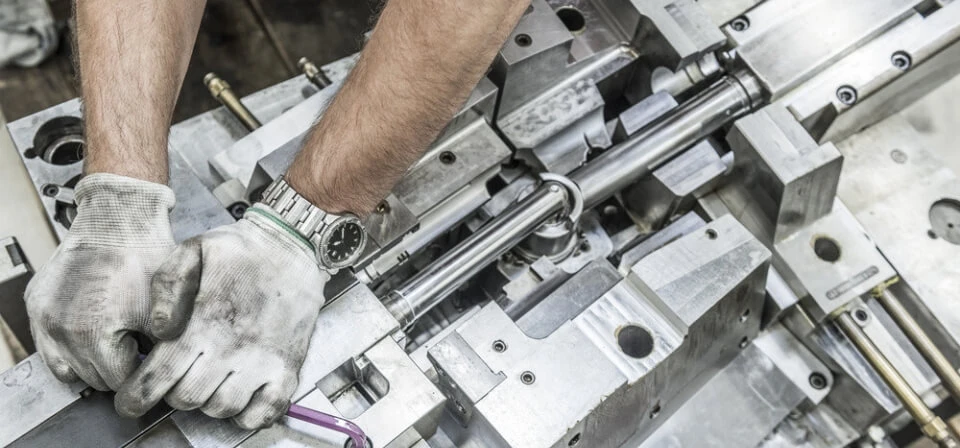
Daily maintenance can significantly prolong the service life of a lathe. Dual-spindle CNC lathes experience wear on various components such as guide rails and lead screws during high-speed operation. Regular cleaning, lubrication, and inspection help detect issues like impurities on the guide rails or loose fasteners early on, preventing small faults from developing into major failures. For high-precision equipment like a Linear rail CNC lathe and a Flat bed CNC lathe, maintaining critical components is especially important because these parts determine the machine's overall accuracy and stability.
2. Enhancing Operational Stability and Reliability
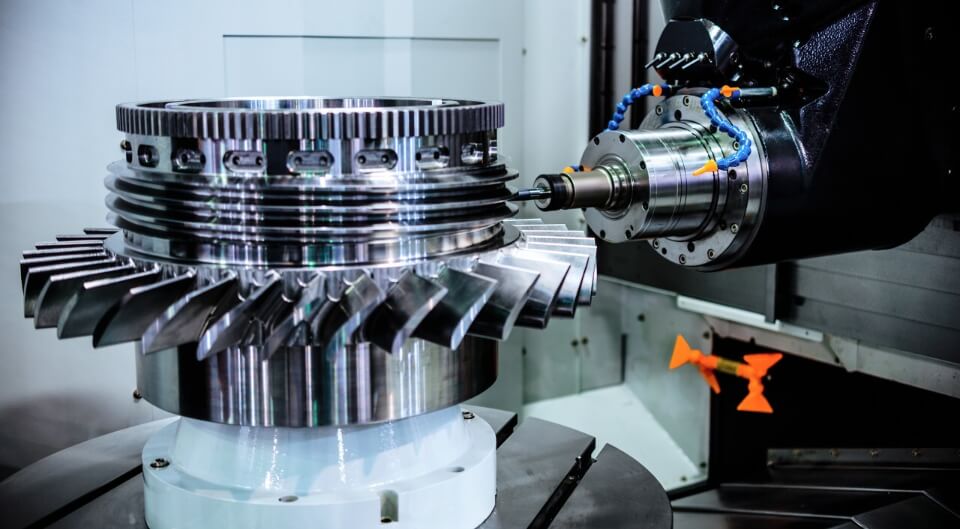
In addition to mechanical maintenance, the electrical system, cooling system, and lubrication system require regular inspections. Stable electrical connections and clean cooling systems effectively prevent unexpected shutdowns and safeguard continuous production. For advanced systems such as a CNC lathe with linear rail, scheduled maintenance greatly reduces the risk of subsystem failures, ensuring highly stable operations throughout the production process.
3. Practical Measures for Routine Maintenance
Cleaning and Lubrication:
Regularly clean the surfaces of guide rails and lead screws to eliminate dust and debris. An automatic lubrication system helps extend the life of key components, ensuring smooth operation. For instance, using specialized lubricants on a Linear rail CNC lathe for metal parts ensures that the guide rails maintain their high precision over time.
Inspection and Adjustment:
Use high-precision testing equipment to regularly assess wear on critical components. If any issues are detected, adjust or replace the affected parts promptly. Equipment like a flat-bed CNC lathe for high precision can maintain product dimensions and surface quality if these inspections are carried out routinely.
Electrical System Checks:
Regularly inspect cables, control boards, and all electrical connections to prevent shutdowns caused by electrical faults. For an Industrial linear rail CNC lathe machine, the health of the electrical system is directly linked to overall operational efficiency and must be given considerable attention.
Software Updates and Backups:
Ensure that CNC system software is updated and backed up regularly to avoid interruptions in machining accuracy and control functions. For machines like a CNC lathe with linear rail for turning, software stability and responsiveness are critical for maintaining high-quality output.
Implementing a Periodic Maintenance Schedule:
Companies should develop and adhere to a scientifically based maintenance schedule. Regularly scheduled minor service sessions and major overhauls not only reduce repair costs but also minimize downtime, thereby extending the overall lifespan of the equipment.
4. Leveraging Advanced Technology to Optimize Maintenance
With technological advancements, many high-precision machines now come equipped with automated monitoring and early warning systems. For example, some high-precision CNC lathe models integrate sensors that provide real-time wear data and automatically adjust lubrication parameters. Similarly, systems such as a flat-bed CNC for industrial use and a CNC lathe with linear rail for turning not only optimize machining paths but also provide immediate feedback on operational anomalies, enabling prompt corrective action by the operator.

In summary, regular maintenance of dual-spindle CNC lathes is vital to ensuring uninterrupted operation, extending equipment life, and maintaining machining precision. Companies must prioritize daily upkeep, adopt systematic maintenance plans, and incorporate advanced technologies, such as those found in a Linear rail CNC lathe, a CNC lathe with linear rail, a Flat bed CNC lathe, and a Flat bed CNC lathe for high precision, to enhance machine stability and reliability. By doing so, manufacturers can consistently achieve high-quality production and meet the ever-increasing demands of modern industrial manufacturing.