

CNC machine tool castings are CNC machine tools in the manufacture and its important parts, its quality and process is directly related to the performance and service life of the machine tool. CNC machine tool castings mainly include bed, base, column, etc. These parts bear important mechanical loads in production, so the material and process requirements are very high.
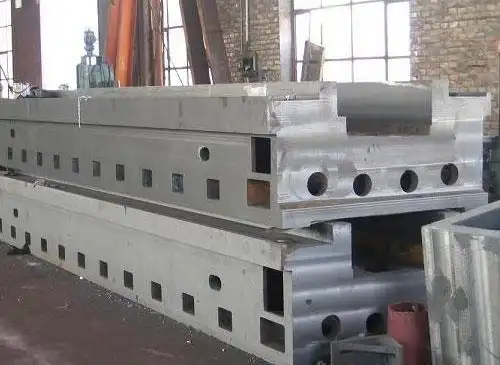
In material selection, the commonly used materials for CNC machine tool castings include grey cast iron and steel castings. Grey cast iron has better wear resistance and compressive strength, suitable for manufacturing large machine tool castings; while steel castings have high strength and hardness, but higher cost, suitable for high-grade CNC machine tools. In addition, the structural characteristics of CNC machine tool castings are also more complex, requiring a special casting process to ensure its quality and performance.
Below with small, detailed understanding of the castings of CNC machine tools in the operational aspects of the attention it:
[1] Design aspects:
1. Structural rationality: the structural design of machine tool castings should ensure good rigidity, strength and thermal stability. Reasonable structural layout can reduce the stress concentration in the casting process, to prevent casting deformation and cracking.
2. Appropriate wall thickness: the wall thickness of the casting should be appropriate, neither too thin to lead to underpouring or cold segregation and other defects, nor too thick to avoid shrinkage holes, shrinkage and other problems. Generally speaking, the casting design wall thickness should not be less than the minimum wall thickness of the casting alloy, while avoiding more than the critical wall thickness, because more than the critical wall thickness of the casting mechanical properties will not be proportionally increased, but will be a significant decline. For the inner wall heat dissipation conditions are poor, the inner wall thickness should be thinner than the outer wall thickness.
[2] Material selection:
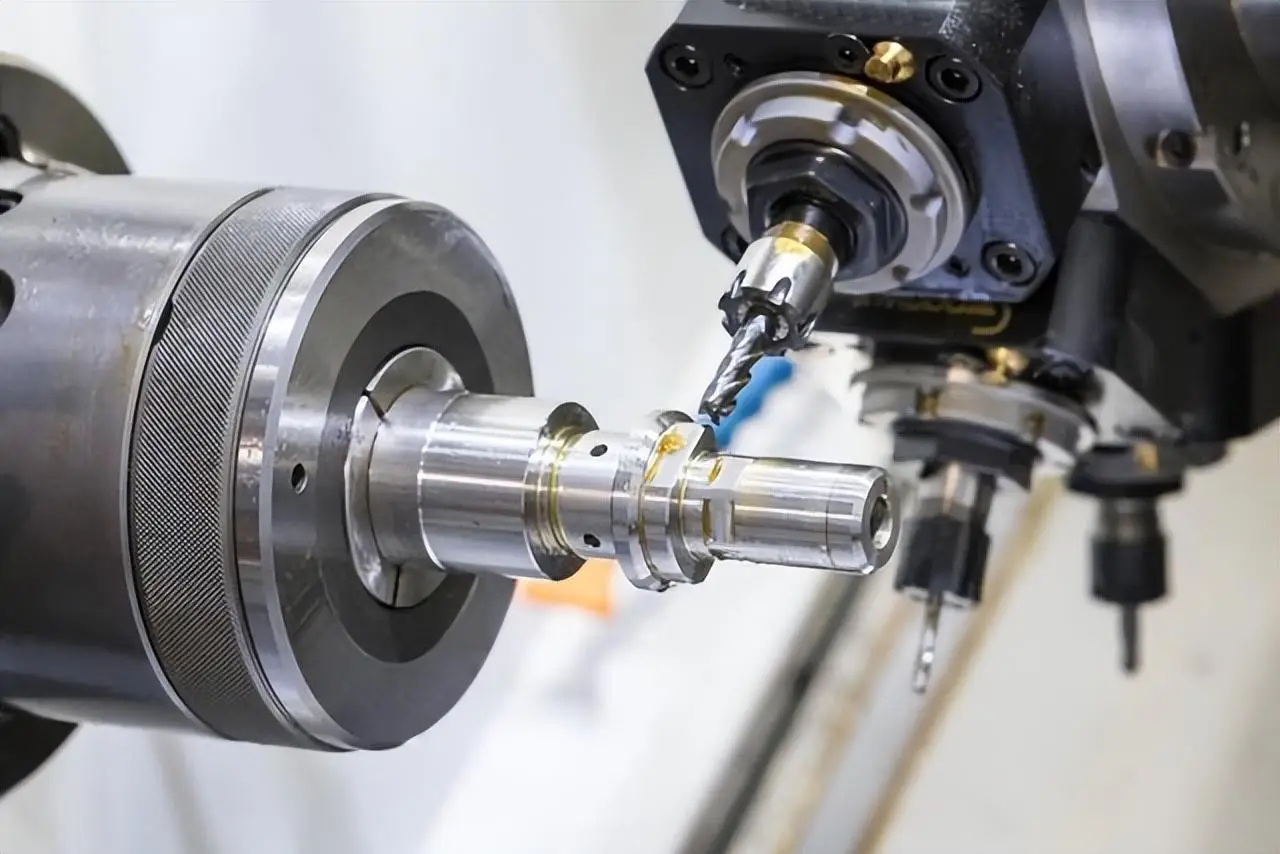
In the case of high-strength cast iron, high-strength cast iron is usually chosen as the material for machine tool castings, and alloying elements such as silicon, aluminium, magnesium, copper and other alloying elements are added to enhance its strength and vibration resistance. This material not only improves the rigidity and stability of the casting, but also enables the machine tool to better resist deformation and vibration during use.
[3] Manufacturing process aspects:
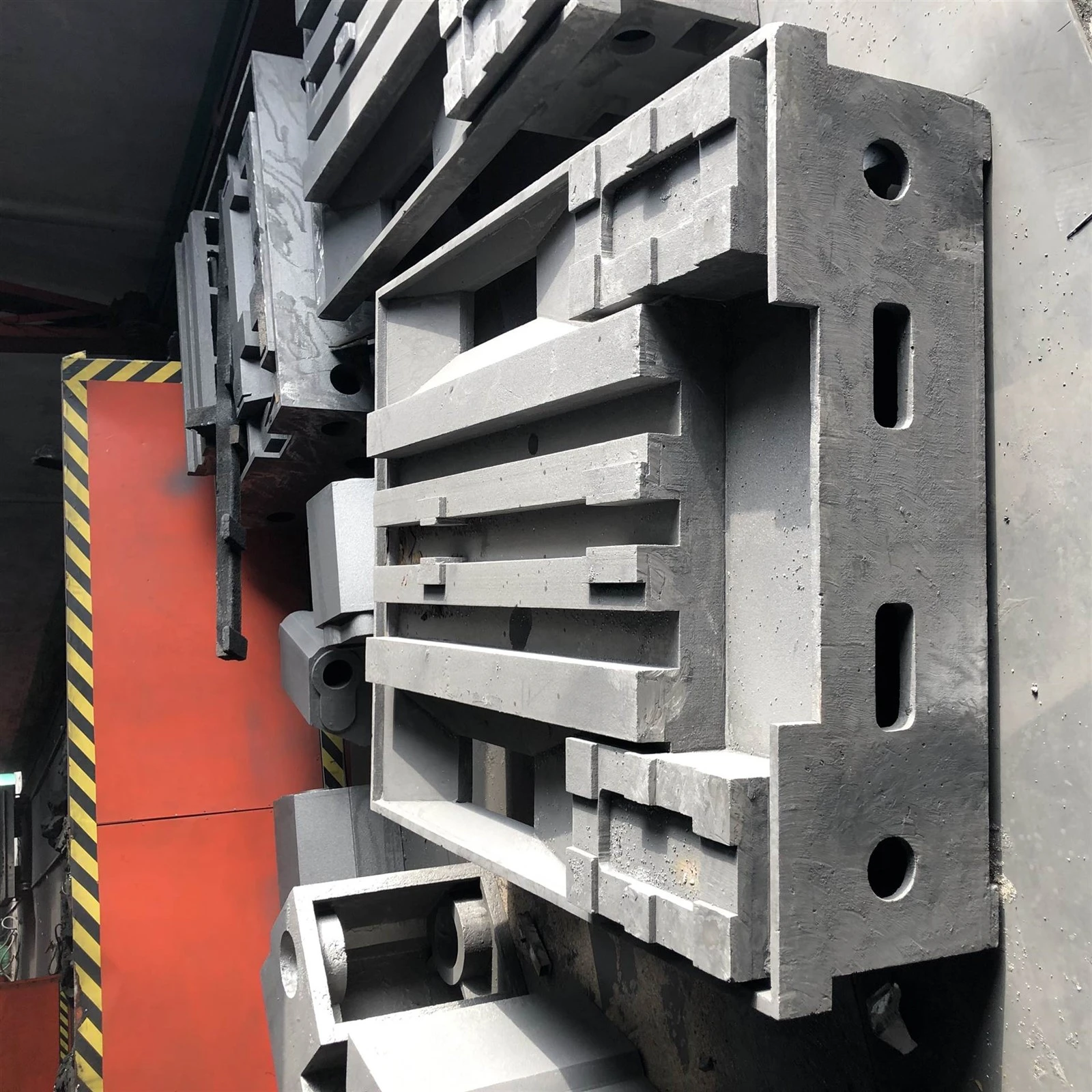
1. Model making: accurately make moulds for casting according to the design drawings to ensure the dimensional accuracy and surface quality of the moulds.
2. Moulding operation: including sand box filling, tightening, placing the model and other steps to form a high quality sand model. During the operation, the tightness and uniformity of the sand mould should be strictly controlled to avoid the situation of loose or different tightness.
3. Combining and pouring: Combine the upper sand mould and lower sand mould into a complete casting, and pour the molten metal liquid. When pouring, pay attention to the control of pouring speed and temperature to prevent porosity, slag and other defects.
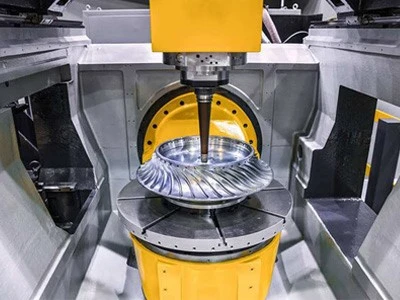
4. Sand cleaning: After the castings are cooled and solidified, sand cleaning is carried out in time to remove the sand and impurities adhering to the surface of the castings.
5. Heat treatment: through the heating and cooling process to improve the organisational structure of the casting, improve its mechanical properties and physical properties. The choice of heat treatment process should be determined according to the material and performance requirements of the castings.
6. Inspection and finishing: comprehensive inspection of castings to ensure compliance with design requirements and quality standards. Then carry out finishing processing, such as cutting, grinding, drilling, etc., to meet the final assembly and use requirements.