

Calibrating a cooperative robot, also known as a cobot, is a crucial process that ensures its optimal performance, accuracy, and safety in various industrial applications. As a leading supplier of cooperative robots, we understand the significance of proper calibration and are committed to providing our customers with the knowledge and support they need to achieve the best results. In this blog post, we will explore the key steps and considerations involved in calibrating a cooperative robot, drawing on our extensive experience and expertise in the field.
Understanding the Importance of Calibration
Before delving into the calibration process, it's essential to understand why calibration is so important for cooperative robots. Calibration is the process of adjusting a robot's parameters to ensure that its actual performance matches its intended specifications. This is particularly important for cobots, which are designed to work alongside human operators in close proximity. Accurate calibration helps to minimize errors, improve the quality of work, and enhance the safety of both the robot and its human counterparts.
In addition to improving performance and safety, calibration also helps to extend the lifespan of a cooperative robot. By ensuring that the robot is operating within its specified parameters, calibration reduces wear and tear on its components, which can lead to fewer breakdowns and maintenance issues over time. This not only saves time and money but also helps to keep your production lines running smoothly and efficiently.
Preparing for Calibration
Before you begin the calibration process, it's important to take the time to prepare your cooperative robot and its environment. This includes ensuring that the robot is properly installed, powered on, and connected to its control system. You should also make sure that the robot is in a safe and stable position, with no obstructions or interference that could affect its performance.
In addition to preparing the robot itself, you should also gather the necessary tools and equipment for calibration. This may include a calibration kit, which typically includes a set of calibration fixtures, sensors, and software. You may also need a laptop or other computer device to run the calibration software and communicate with the robot.
Step-by-Step Calibration Process
Once you have prepared your cooperative robot and its environment, you can begin the calibration process. The following is a step-by-step guide to calibrating a cooperative robot:
- Initial Setup: Start by powering on the robot and its control system. Make sure that the robot is in a safe and stable position, with no obstructions or interference. Open the calibration software on your computer and connect it to the robot.
- Home Position Calibration: The first step in the calibration process is to calibrate the robot's home position. This involves moving the robot to its home position and using the calibration software to record its actual position. The calibration software will then compare the actual position to the intended position and make any necessary adjustments.
- Joint Calibration: After calibrating the home position, the next step is to calibrate the robot's joints. This involves moving each joint through its full range of motion and using the calibration software to record its actual position and orientation. The calibration software will then compare the actual position and orientation to the intended position and orientation and make any necessary adjustments.
- Tool Center Point (TCP) Calibration: Once the joints have been calibrated, the next step is to calibrate the robot's tool center point (TCP). The TCP is the point at the end of the robot's arm where the tool or end effector is attached. Calibrating the TCP involves moving the robot to a known position and using the calibration software to record the actual position of the TCP. The calibration software will then compare the actual position to the intended position and make any necessary adjustments.
- Payload Calibration: If the robot is going to be used to carry a payload, it's important to calibrate the robot's payload. This involves attaching the payload to the robot's arm and using the calibration software to record the actual weight and center of gravity of the payload. The calibration software will then use this information to adjust the robot's parameters and ensure that it can handle the payload safely and accurately.
- Final Verification: Once the calibration process is complete, it's important to verify that the robot is operating correctly. This involves running a series of tests and simulations to ensure that the robot is performing within its specified parameters. You should also check the robot's accuracy and repeatability to make sure that it is consistent and reliable.
Tips and Best Practices for Calibration
Calibrating a cooperative robot can be a complex and challenging process, but there are several tips and best practices that you can follow to ensure that you achieve the best results. Here are some tips to keep in mind:
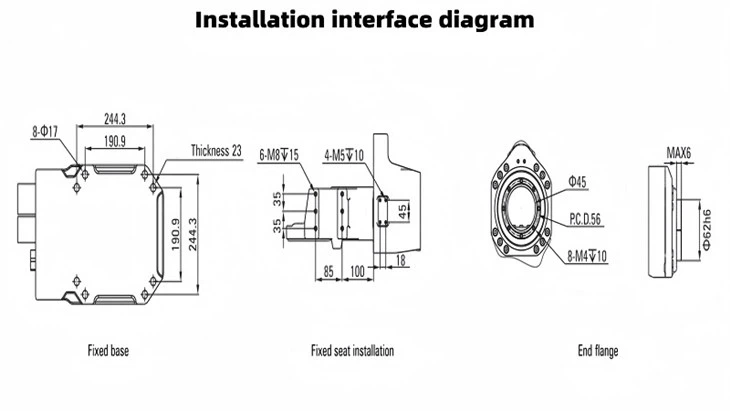

- Follow the Manufacturer's Instructions: Always follow the manufacturer's instructions when calibrating your cooperative robot. This will ensure that you are using the correct calibration procedures and tools and that you are achieving the best possible results.
- Use High-Quality Calibration Tools: Investing in high-quality calibration tools and equipment is essential for achieving accurate and reliable calibration results. Make sure that you use calibration tools that are specifically designed for your cooperative robot and that are compatible with your calibration software.
- Perform Regular Calibration: Calibration is not a one-time process. It's important to perform regular calibration on your cooperative robot to ensure that it continues to operate within its specified parameters. The frequency of calibration will depend on several factors, including the type of application, the environment in which the robot is operating, and the level of use.
- Train Your Operators: Proper training is essential for ensuring that your operators are able to calibrate your cooperative robot correctly and safely. Make sure that your operators are trained on the calibration procedures and tools and that they understand the importance of calibration for the performance and safety of the robot.
Conclusion
Calibrating a cooperative robot is a crucial process that ensures its optimal performance, accuracy, and safety in various industrial applications. By following the steps and tips outlined in this blog post, you can ensure that you are able to calibrate your cooperative robot correctly and achieve the best possible results. If you have any questions or need further assistance with calibrating your cooperative robot, please don't hesitate to contact us. We are here to help you get the most out of your cooperative robot and to ensure that your production lines are running smoothly and efficiently.
If you're interested in learning more about our Automotive Welding Robot, Burnishing Robot, or Detection Robot, or if you're ready to discuss your specific needs and requirements, we invite you to contact us. Our team of experts is standing by to answer your questions and to help you find the perfect cooperative robot solution for your business.
References
- ISO 9283: Manipulating industrial robots -- Performance criteria and related test methods
- RIA R15.06: American National Standard for Industrial Robots and Robot Systems -- Safety Requirements
- Manufacturer's user manuals and technical documentation