

Dual-spindle CNC lathes are prized for their high precision and efficiency in metalworking. However, like any complex machine, they can face various faults that may affect production quality. Understanding these issues and applying timely solutions is critical for maintaining optimal operation and ensuring quality output in modern manufacturing environments.
Mechanical Wear and Its Impact
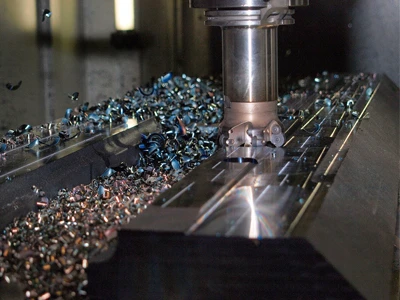
One of the most frequent problems encountered is mechanical wear-particularly within the spindle bearings. Over time, continuous high-speed operation and heavy cutting forces cause the bearing's rolling elements and raceways to wear down, leading to increased play. This wear can reduce the precision of the spindle and compromise stability. Studies have shown that inadequate lubrication and improper cutting parameters can accelerate this process. In advanced systems such as the Flatbed CNC lathe for industrial use and CNC lathe for metalworking, maintaining proper lubrication and using controlled cutting speeds are crucial. Furthermore, equipment like the Linear rail CNC lathe has evolved with robust designs to mitigate such issues, offering enhanced durability under demanding conditions.
Electrical System Faults
Electrical faults are another significant challenge. Issues such as irregularities in power supply, control system malfunctions, or motor damage can prevent the lathe from operating as intended. For instance, a missing or reversed phase in the three-phase supply can cause the spindle to stop abruptly. Similarly, errors in wiring or a lack of proper control signals may lead to erratic machine behavior. Regular inspections and preventative maintenance of the electrical components-common in systems like the CNC lathe with flatbed-help to minimize downtime. Some modern systems, like a High-speed linear rail CNC lathe, incorporate advanced diagnostics that automatically alert operators to electrical anomalies.
Software and Programming Challenges
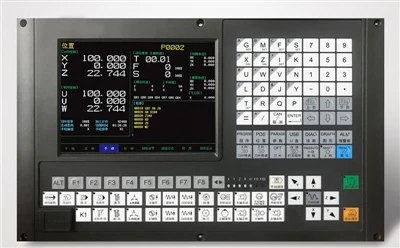
Faults in the software domain are also prevalent. Errors during programming-such as incorrect G-code instructions or logical flaws-can result in faulty tool paths. These mistakes not only compromise machining accuracy but can also damage the workpiece. The use of redundant safety checks and simulation tests before actual operation is recommended. Operators working with systems like the CNC lathe with linear rail benefit from built-in software error detection, reducing the risk of faults that might otherwise occur due to programming oversights.
Other Common Failures
Beyond the significant categories of wear, electrical, and software issues, other components such as the mechanical structure, tool magazine, and cooling system can also present challenges. For example, a slack or worn drive chain in the tool magazine might cause jamming during tool changes. Similarly, a malfunctioning cooling pump-often seen in high-load operations-can lead to inadequate coolant circulation, adversely affecting machining quality.
Modern enhancements have addressed some of these issues. Innovations in systems like the Linear rail CNC machine and High-precision flatbed CNC lathe for metals offer advanced monitoring and self-correcting features. These improvements ensure that critical parameters, such as alignment and temperature, remain within optimal ranges, thereby extending machine longevity and maintaining precision.
Best Practices for Preventative Maintenance
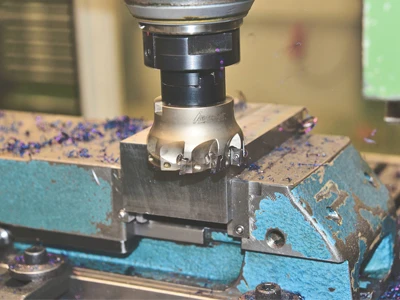
To minimize these issues, operators must have both technical skills and hands-on experience. Regular maintenance is essential:
- Routine Inspections: Regularly check spindle bearings and drive chains. Systems like the CNC lathe with linear motion rail are designed for easier inspection and maintenance.
- Proper Lubrication: Ensure that all moving parts, especially in a Flatbed CNC lathe setup, receive adequate lubrication.
- Environmental Control: Maintain a clean operating environment. Dust and debris can accelerate wear in both the mechanical and electrical components.
- Software Updates: Keep the machine's software updated to avoid programming glitches. Modern systems, such as a CNC machine with a flatbed and linear rail, often offer remote diagnostic capabilities.
- Data Monitoring: Use vibration sensors and thermal cameras to monitor machine performance continuously. High-performance machines like the Linear rail CNC lathe for precision often incorporate these monitoring tools.
Integration of Advanced Systems
Recent advancements in CNC technology have given rise to specialized machines such as the Linear rail CNC lathe for metal parts and the Flatbed CNC lathe for high-precision applications. For example, an Industrial linear rail CNC lathe machine can operate with a higher degree of precision due to its superior guide systems. Similarly, a CNC lathe with a linear rail for turning enables more consistent results by minimizing backlash. Moreover, a Flatbed CNC machine for precision turning offers enhanced stability for custom parts fabrication, while a Linear rail lathe for high-speed machining is designed to handle the rigorous demands of automotive production.
In conclusion, the reliability of dual-spindle CNC lathes depends on proactive maintenance and the integration of advanced technologies. By adhering to best practices-such as regular inspections, proper lubrication, and software verification-manufacturers can significantly reduce downtime and extend the lifespan of their machines. Moreover, leveraging innovations in systems like the CNC lathe with linear rail and High-speed linear rail CNC lathe not only improves performance but also ensures that production quality remains consistently high in today's competitive industrial landscape.