

In modern heavy machinery manufacturing, heavy-duty vertical lathes are essential for machining large metal workpieces, such as automotive metal body parts and molds. The structural rigidity of these lathes directly affects machining accuracy, equipment stability, and production efficiency. As the core load-bearing and supporting component of the lathe, the bed structure's design is crucial for enhancing overall machine performance. Whether it's a Flat Bed CNC Lathe for large, heavy-duty parts or an Inclined Bed CNC Lathe designed for enhanced chip removal and precision, optimizing the bed structure is vital for ensuring machining stability and accuracy. This article explores the impact of bed structure optimization on the rigidity of heavy-duty vertical lathes and provides practical strategies for improvement.
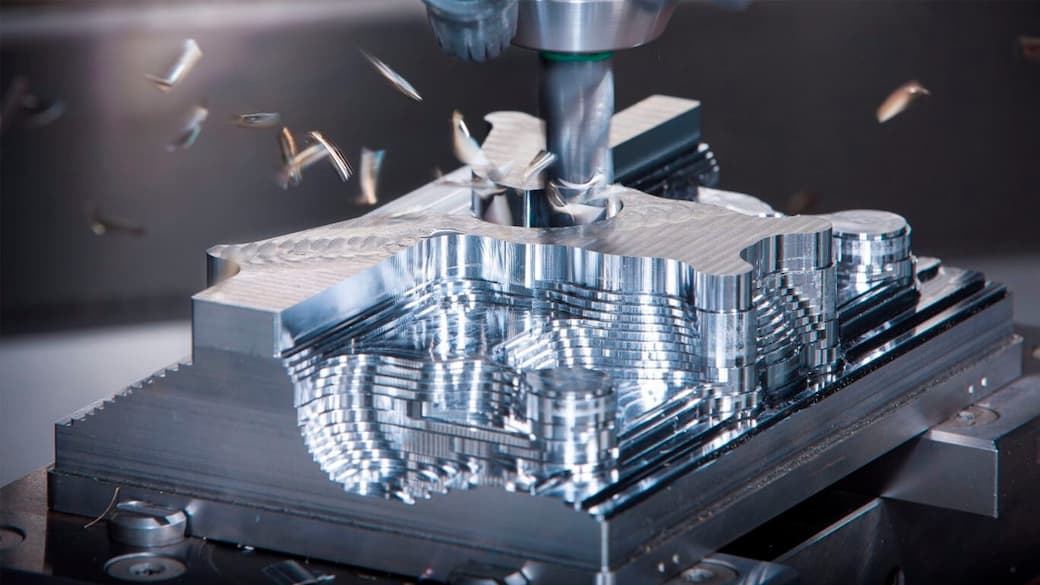
1. Material Selection and Structural Design of the Bed
The choice of bed material determines the foundational rigidity of the lathe. High-strength cast iron and alloy steel are widely used in CNC machine tools manufacturing due to their excellent strength, vibration damping, and wear resistance. For example, HT300-grade gray cast iron, known for its superior vibration absorption, is commonly used in environments subject to high torque and heavy impacts. In a Flat Bed CNC Lathe, the material and structural layout are crucial for maintaining stability during heavy cutting operations. Additionally, a well-thought-out structural design, incorporating strategically placed ribs and optimized wall thickness, can significantly reduce structural deformation during machining. Studies show that a rational rib layout can increase bed rigidity by approximately 20%.
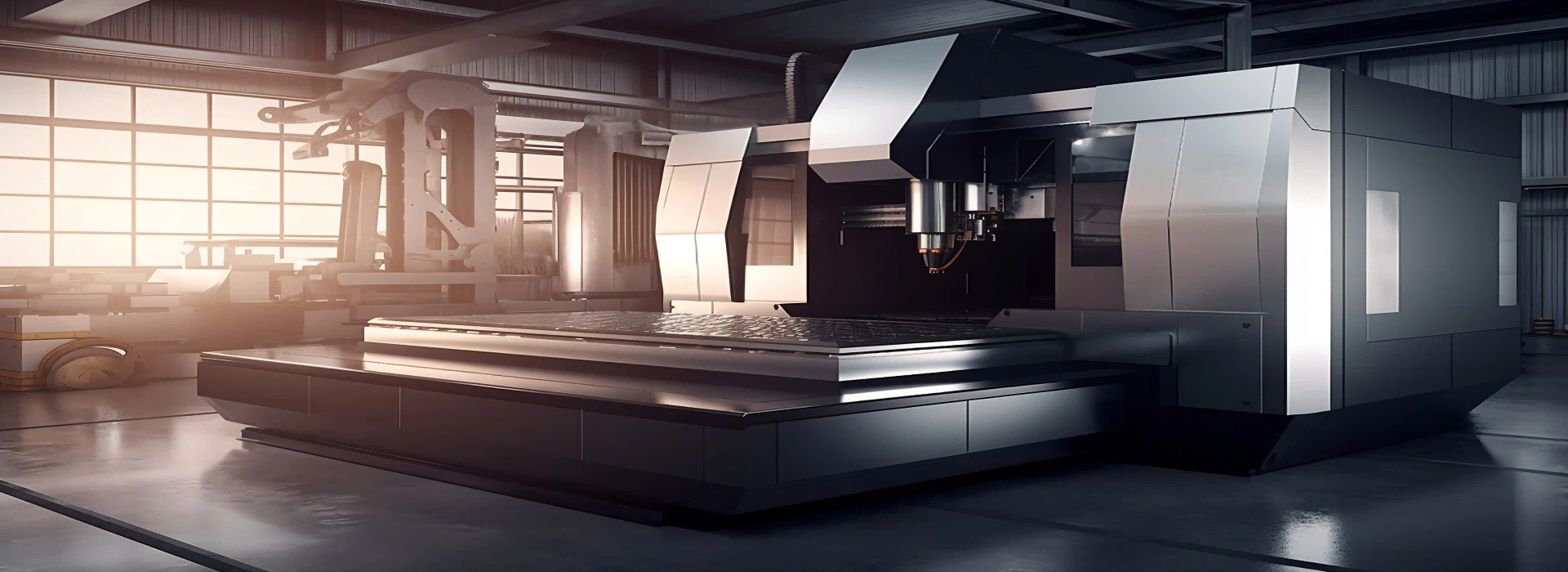
2. Bed Weight and Dynamic Stability
Increasing the bed weight is a proven method to enhance the machine's resistance to vibrations. A heavier bed can effectively absorb vibration energy during high-intensity cutting, maintaining machining accuracy. For instance, in large automotive parts processing, a 10% increase in bed weight can reduce machining errors by about 5%. Inclined Bed CNC Lathes often use this strategy to improve dynamic stability while facilitating chip evacuation, which is especially beneficial in long-duration, high-speed operations. Moreover, the design of the bed's contact area with the foundation and its support structure also influences overall stability. Adopting multi-point support or integrated foundation design can further enhance long-term dynamic stability, ensuring consistent performance even in extended cutting operations.
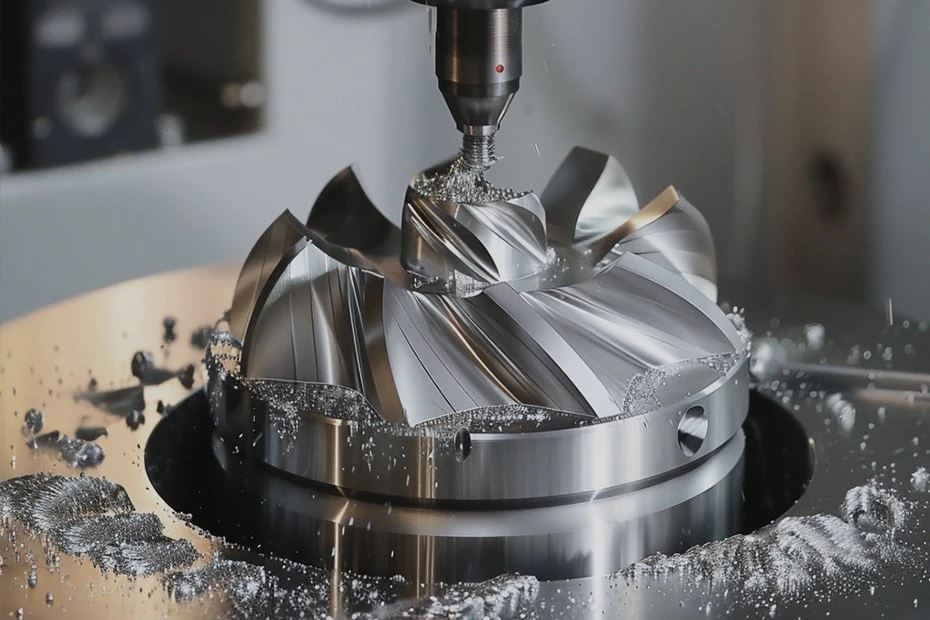
3. Precision Fit Between the Bed and Guideway System
The guideway system, responsible for guiding the relative movement of the workpiece and cutting tool, plays a critical role in the machine's rigidity. The precision fit between the bed and guideways directly affects the cutting stability. Using high-precision linear roller guides or dual V-guides can reduce friction resistance and improve motion smoothness. In both Flat Bed CNC Lathes and Inclined Bed CNC Lathes, precise guideway installation is essential to minimize vibration and enhance accuracy. During the bed design phase, precision grinding and multiple inspections ensure that the flatness of the guideway installation surface is controlled within 0.01 mm, minimizing vibration amplitude during high-speed cutting and safeguarding machining quality.
4. Integration and Transmission Optimization of the Feed System
The feed system determines the motion accuracy of the cutting tool during machining. Integrating the feed system with the bed structure enhances power transmission efficiency and reduces misalignment-induced errors. For example, embedding the ball screw directly into the bed structure reduces positioning errors caused by unstable support. In an Inclined Bed CNC Lathe, this design approach is particularly advantageous, as it allows for a more compact structure and smoother force transmission. Research indicates that an optimized transmission layout can keep feed system errors within 0.005 mm, which is crucial for manufacturing high-precision automotive components and aerospace parts.

In summary, optimizing the bed structure is fundamental to improving the rigidity of heavy-duty vertical lathes. By selecting high-strength materials, refining the structural design, increasing bed weight, precisely matching the guideway system, and integrating an optimized feed system, manufacturers can significantly boost the overall machine rigidity and machining accuracy. Whether it's a Flat Bed CNC Lathe handling massive workpieces or an Inclined Bed CNC Lathe designed for high-speed, high-precision operations, these optimization strategies enhance machine stability and production efficiency. For CNC machine tool manufacturers, a well-designed bed structure is a core competitive advantage in building high-end intelligent manufacturing equipment, capable of meeting the increasing demands of the global precision machining market.
Dalian Polyfull Intelligence Technology Co., Ltd. established in 2002, the factory covers an area of about 15,000 square meters and has more than 50 technical backbones. The company integrates design, development, installation, testing, commissioning, and service, and is a professional manufacturer and exporter of industrial machinery and equipment.
ADD: Room 2502, Gugeng Business International Building, Jinzhou, Dalian, Liaoning, China 116600
Factory Location: No.17 - 21 - 2, Liandong Road, Dalian Economic and Technological Development Zone, Liaoning Province
Tel:86 - 411 - 87961688
Mail:Info2@polyfull. net
products: CNC Lathe, Machining Center, Industrial Robot