

In today's advanced manufacturing landscape, the fully automatic CNC lathe is crucial in delivering precision, efficiency, and scalability. Whether used in automotive, aerospace, or custom parts manufacturing, mastering the programming methods and operation techniques of CNC lathes is key to maintaining quality and staying competitive. As industries increasingly adopt high-end equipment such as the Best gantry 5-axis CNC machine for metal, technical proficiency is becoming a significant differentiator.
Programming: The Foundation of CNC Automation
CNC programming is the starting point for any automated machining task. The first step involves setting up a coordinate system, typically by selecting an easily measurable and repeatable reference point on the workpiece. This ensures accurate positioning and consistency across operations.
G-codes and M-codes form the core of CNC programming. G-codes control the tool path-for instance, G01 for linear interpolation or G02/G03 for circular arcs-while M-codes manage machine functions such as spindle activation (M03/M04) and coolant control (M07/M08/M09). For efficient roughing and finishing, fixed cycle commands like G71 and G72 can streamline programming, especially when dealing with repetitive or symmetrical features.
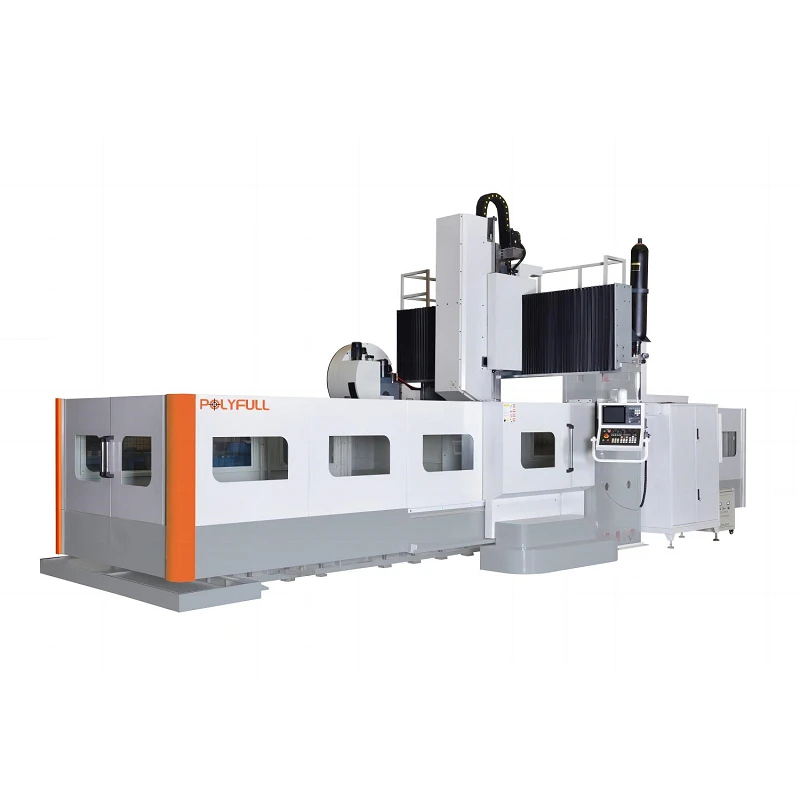
When producing intricate components like turbine blades or structural aerospace parts, machines such as the CNC gantry 5-axis for complex parts can be paired with sub-programs and macro programming to enable dynamic and adaptive machining strategies.
Optimizing Cutting Parameters for Performance
Properly setting cutting parameters- spindle speed, feed rate, and depth of cut- is essential for achieving precision and minimizing tool wear. This becomes even more critical when machining tough materials such as steel. Using equipment like the Precision Gantry 5-axis CNC for steel, operators can leverage tool compensation and real-time monitoring systems to maintain dimensional accuracy even under high loads.
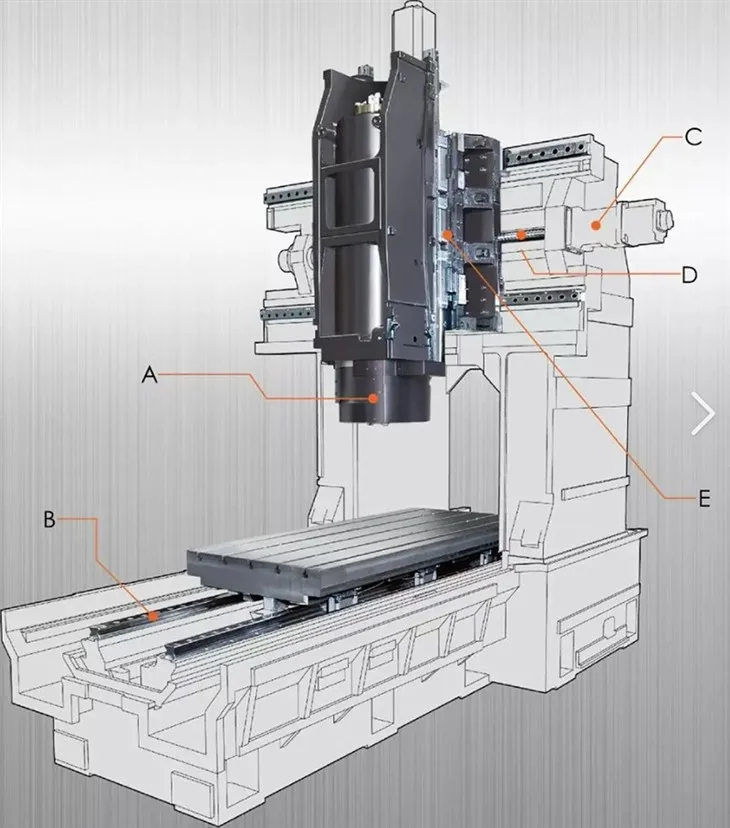
In large-scale production environments, the CNC gantry machine for large parts machining is ideal for handling oversized workpieces, such as those used in wind power, shipbuilding, or heavy machinery. Here, tool path planning must consider machine travel limits, optimal clamping, and tool change cycles to ensure uninterrupted operations. CNC software with built-in simulation and collision detection helps optimize these processes.
Operational Techniques for Stability and Safety
Before starting any machining task, it is essential to warm up the machine and apply adequate lubrication. This not only extends the life of mechanical components but also ensures thermal stability. Choosing the right tool and fixture setup, followed by accurate tool alignment, plays a vital role in minimizing deviations.
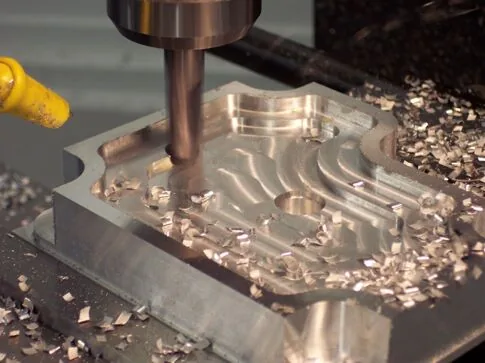
During machining, continuous monitoring of spindle vibration, tool wear, and coolant flow can prevent unexpected breakdowns. For example, using the Gantry CNC milling machine for aerospace applications, where tolerances are often within microns, even minor anomalies can result in significant defects. Real-time alerts and shutdown protocols help maintain quality and avoid costly rework.
Program simulation is another advanced practice that saves time and reduces errors. Simulators allow operators to preview the machining process, identify syntax errors, and fine-tune the sequence before actual production. This is especially beneficial in 5-axis CNC gantry for custom designs, where tool orientation and clearance become complex due to multi-surface engagement.
Automation and Industry Trends
The trend toward smart manufacturing is driving demand for machines like the High-performance 5-axis gantry CNC machine. These systems enable multi-angle, multi-surface cutting in a single setup, significantly reducing cycle time and improving accuracy. This is particularly advantageous for one-off or small-batch production runs where setup time traditionally represents a major cost factor.
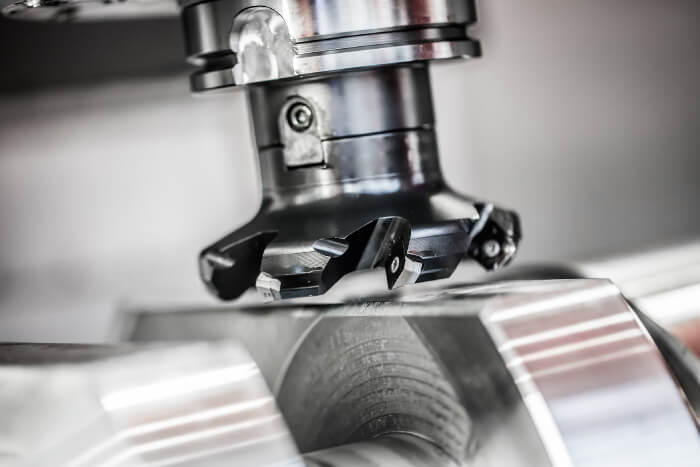
In the automotive sector, the Gantry CNC milling for automotive components is used to manufacture critical parts such as engine blocks, transmission housings, and suspension modules. These components require both tight tolerances and repeatability, which 5-axis gantry machines deliver through high rigidity and synchronized motion control.
For high-load applications such as die molds or large steel assemblies, the Heavy-duty gantry 5-axis CNC milling offers the structural strength and torque required to cut deep pockets and complex geometries without compromising on stability or finish.
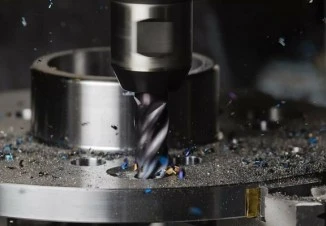
Understanding the programming methods and operational techniques of fully automatic CNC lathes is fundamental to unlocking their full potential. When combined with advanced systems like the gantry 5-axis CNC machine, manufacturers can handle increasingly complex geometries, meet tighter tolerances, and improve productivity across industries.
Whether you're machining aerospace structures, customizing intricate designs, or producing high-volume automotive components, adopting these best practices-and pairing them with the right technology-ensures sustainable success in modern precision manufacturing.