

CNC turret lathes play a vital role in modern manufacturing, and their machining accuracy directly impacts product quality and production efficiency. Therefore, understanding and optimizing the factors that influence machining accuracy is central to improving machining performance.
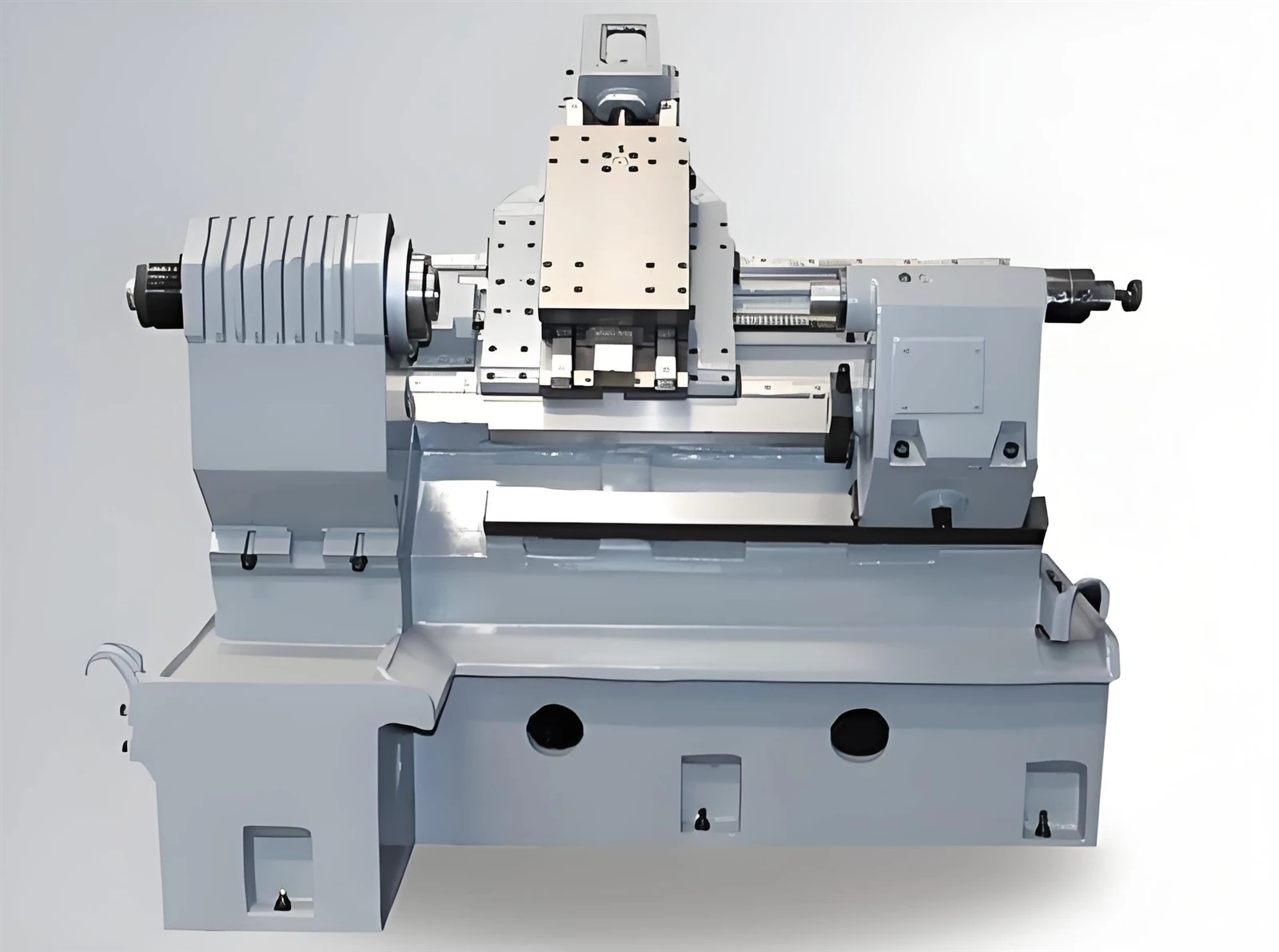
First and foremost, the inherent accuracy and stability of the CNC turret lathe are the foundation for ensuring machining precision. The design, manufacturing accuracy, and wear over extended use of the turret directly affect tool positioning accuracy and repeatability. A high-precision turret ensures that the tool can be positioned quickly and accurately after tool changes, reducing machining errors caused by inaccurate positioning.
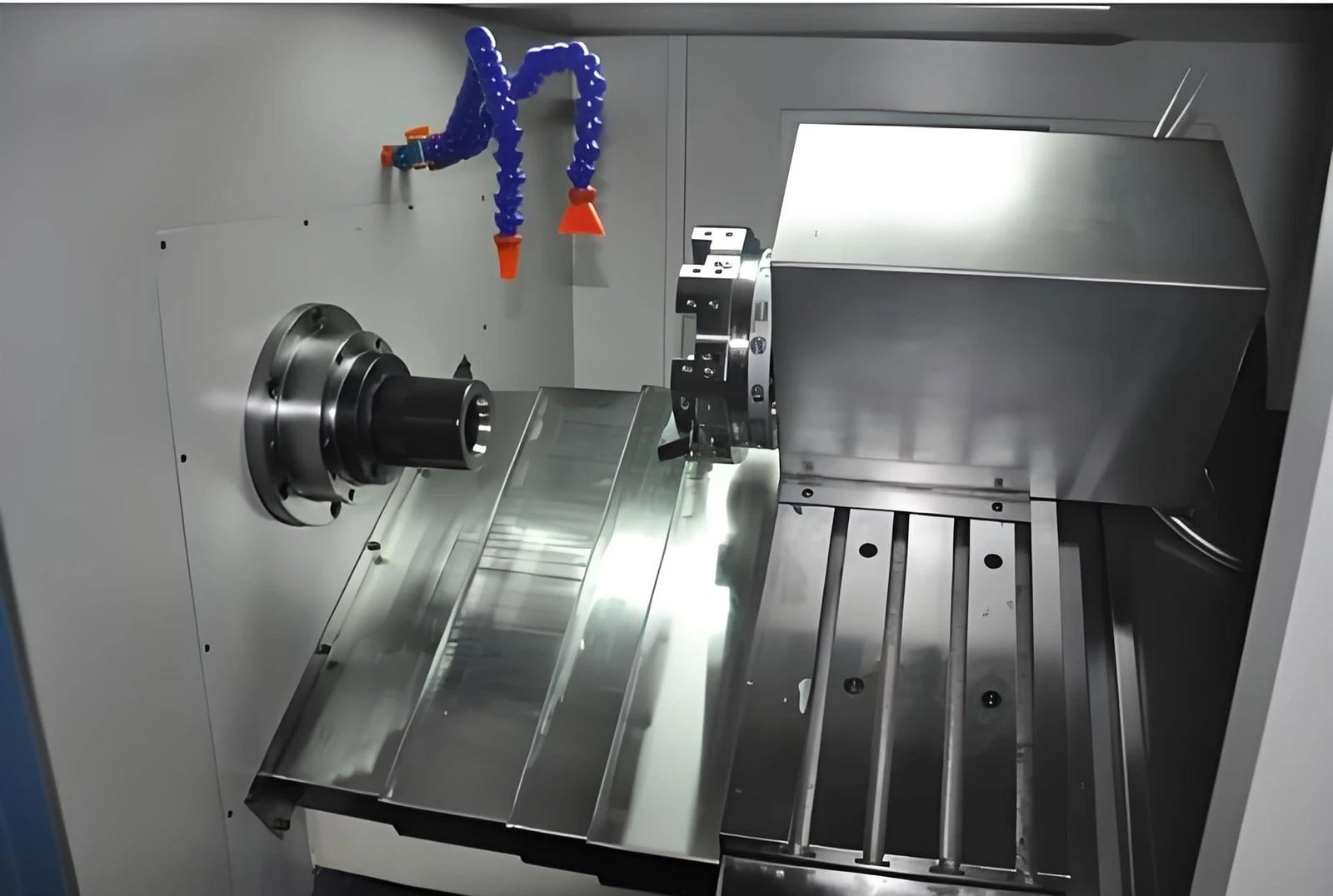
The performance of the motor and transmission system is also crucial to machining accuracy. The motor's precision and response speed determine the movement control of the turret, while the accuracy of the transmission system and any transmission errors may amplify these effects during machining. Therefore, selecting high-performance motors and precise transmission systems is a key factor in ensuring machining accuracy.
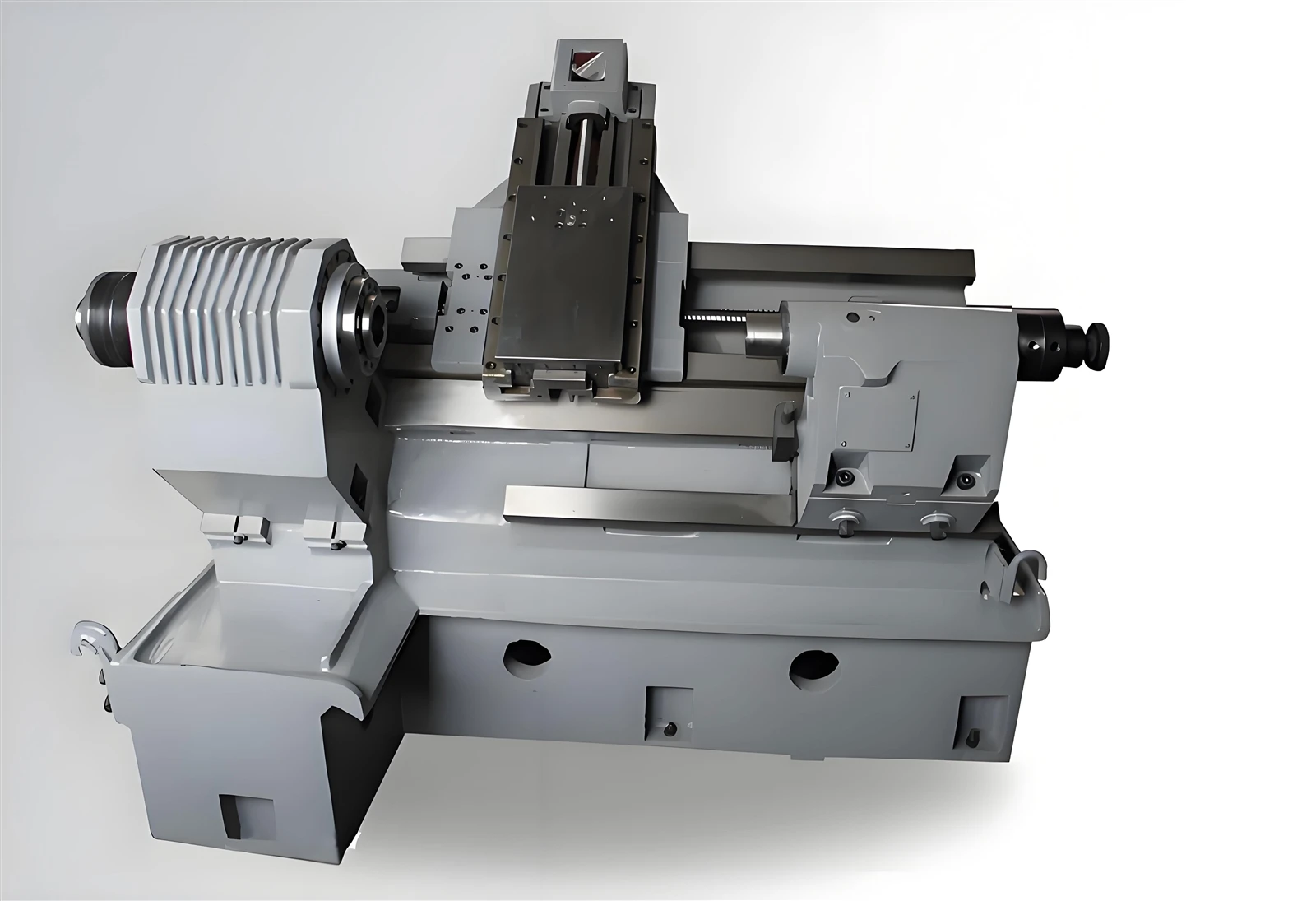
Additionally, the precision of sensors and control systems cannot be overlooked. Sensors monitor the tool's position and status in real time, providing accurate data to the control system. The control system then uses this data to make precise adjustments to the movement. A combination of high-precision sensors and control systems ensures the stability and accuracy of the lathe throughout the machining process.
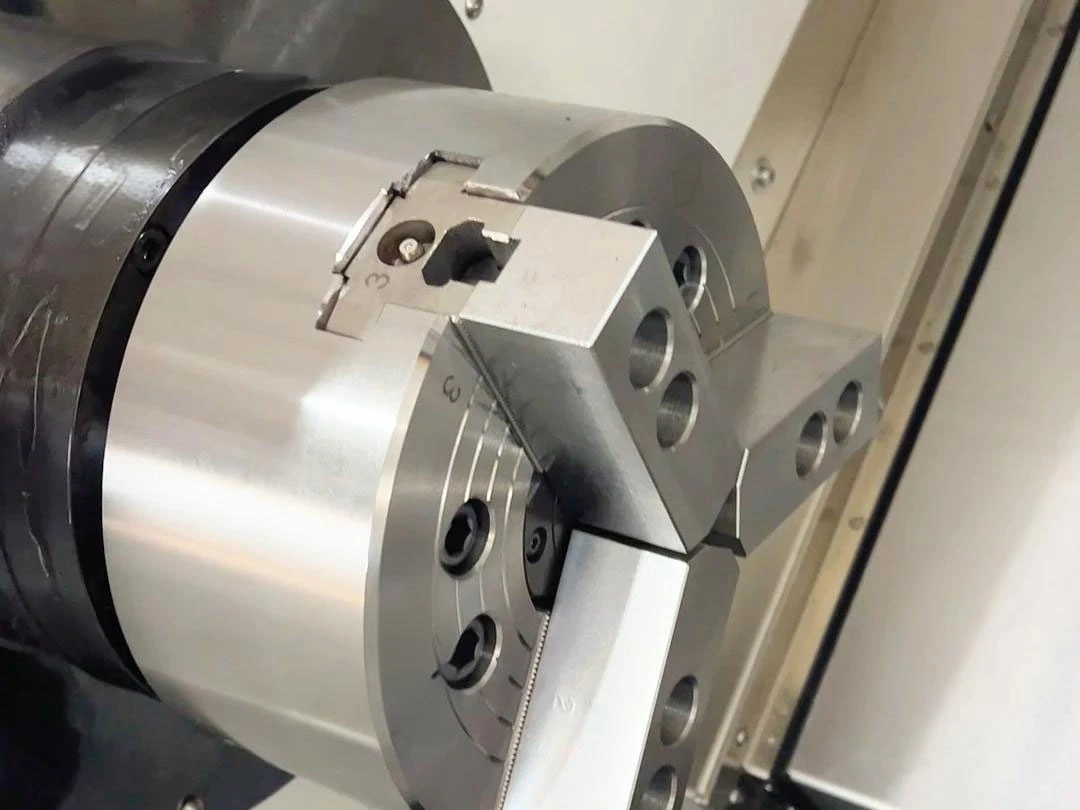
Tool wear, workpiece clamping methods, cutting parameters, and operator skill levels all influence machining accuracy. Excessive tool wear increases cutting force and temperature, which in turn affects machining quality. Poor clamping of the workpiece may lead to vibrations and displacements during machining. Improper cutting parameters can accelerate tool wear and workpiece deformation. The experience and skill level of the operator directly affect the accuracy and standardization of machining operations.
Finally, system errors in the machine tool, such as positioning accuracy errors, geometric precision errors, and component rigidity errors, as well as external environmental factors like temperature changes and load-induced deformation, also affect machining accuracy. While these factors cannot be completely eliminated, their negative impact can be minimized through regular inspection and precise adjustments.
In conclusion, the factors that affect the machining accuracy of CNC turret lathes include turret precision, transmission system performance, sensor and control system accuracy, tool wear, workpiece clamping, cutting parameters, operator skill, and machine tool errors. By comprehensively considering and effectively managing these factors, the machining accuracy of the lathe can be ensured, leading to improved product quality and production efficiency.
Dalian Polyfull Intelligence Technology Co., Ltd. established in 2002, the factory covers an area of about 15,000 square meters and has more than 50 technical backbones. The company integrates design, development, installation, testing, commissioning, and service, and is a professional manufacturer and exporter of industrial machinery and equipment.
Our products include CNC machine tools, milling machines, boring machines, gantry machining centers, multi-axis machining centers, various robotic arms for intelligent production lines, laser welding machines, and other equipment, and we can also configure a variety of different equipment according to customers' requirements.
ADD: Room 2502, Gugeng Business International Building, Jinzhou, Dalian, Liaoning, China 116600
Factory Location: No.17 - 21 - 2, Liandong Road, Dalian Economic and Technological Development Zone, Liaoning Province
Tel:86 - 411 - 87961688
Mail:Info2@polyfull. net
products: CNC Lathe, Machining Center, Industrial Robot