

Economical CNC lathes are crucial in modern manufacturing, particularly in small-batch production and precision machining. However, due to certain limitations in their design and configuration, these machines often encounter various challenges during operation. This article analyzes how to optimize the performance of economical CNC lathes through effective management and technical solutions, thereby improving machining efficiency and workpiece quality.
1. Tool Selection and Wear Management
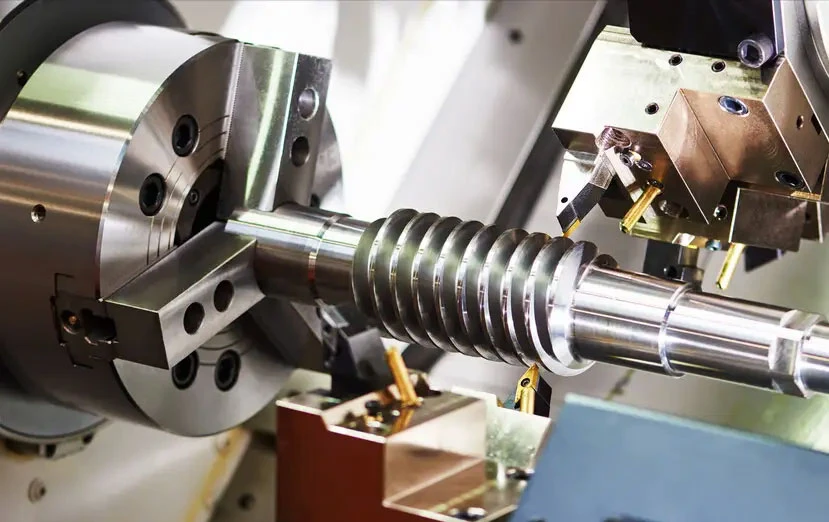
Tool wear is a common issue in machining with economical CNC lathes, directly impacting machining quality. Given these machines' relatively lower power and precision, tool selection becomes especially important. Choosing tools with high wear resistance, suitable for specific materials and machining conditions, can significantly improve machining stability and extend tool life. Regularly inspecting tools for wear and promptly replacing heavily worn tools is crucial. Additionally, setting optimal cutting parameters, such as cutting speed, feed rate, and cutting depth, can reduce tool wear and improve machining efficiency.
2. Vibration and Stability Control
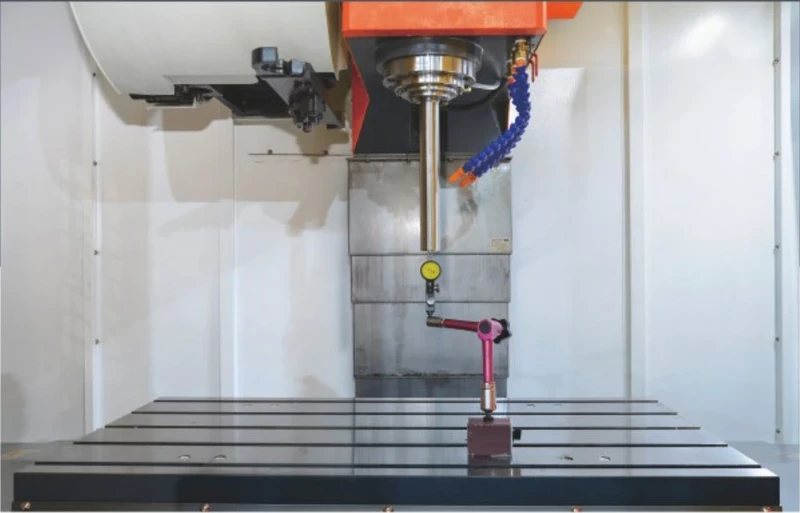
During high-speed machining, economical CNC lathes may generate vibrations due to their relatively simple structure, which can negatively affect machining precision. To address this issue, several measures should be taken: First, reinforce the machine structure to ensure stability during operation; second, ensure the lathe is placed on a level surface to prevent imbalance-induced vibrations; third, regularly check the machine's transmission system, guide rails, and lubrication system to maintain their optimal working condition. Furthermore, selecting the right cutting fluid and adjusting cutting parameters can not only help reduce machining temperatures but also effectively mitigate vibration caused by temperature fluctuations.
3. Ensuring Dimensional Stability
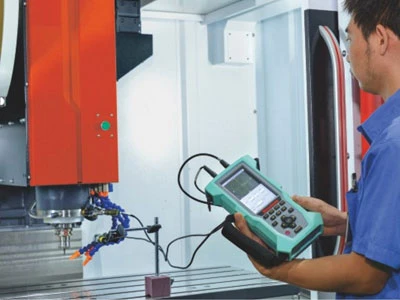
Dimensional instability is another common issue when machining with economical CNC lathes, often caused by insufficient machine accuracy, tool wear, loose fixtures, or program errors. To ensure dimensional accuracy, it is essential to periodically calibrate the machine's precision to confirm that all parameters meet design specifications. Additionally, checking and replacing worn tools is necessary to maintain consistent cutting performance. Ensuring the proper clamping and securing of fixtures is also vital to maintain machining precision. On the programming side, carefully reviewing and verifying machining programs is critical to avoid errors that may lead to dimensional instability.
4. Program Errors and Debugging
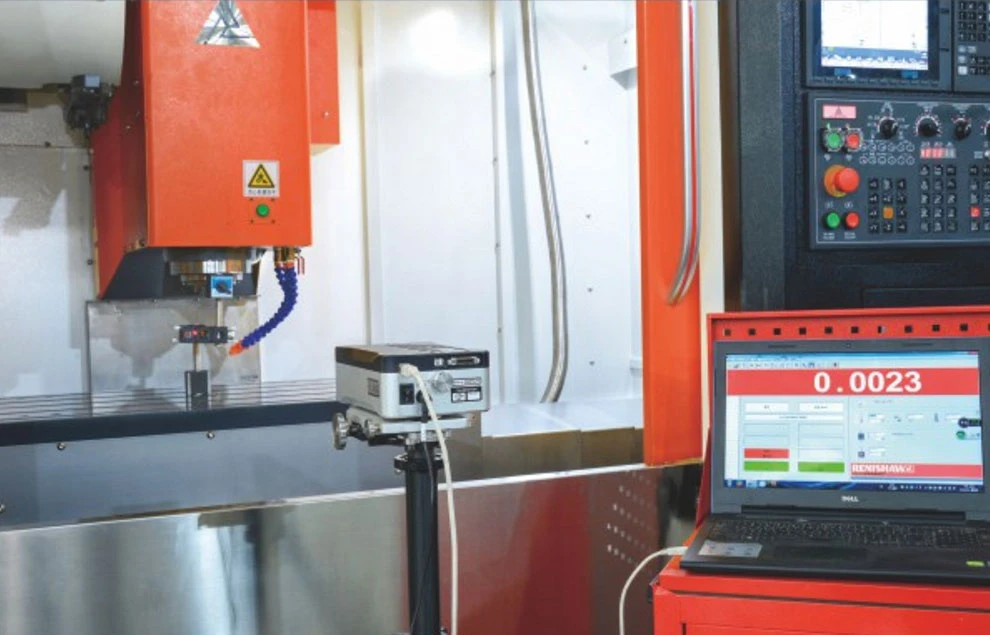
Program errors and debugging are inevitable issues in the operation of economical CNC lathes. Due to their simpler control systems, these machines may lack advanced error detection and diagnostic capabilities, which increases the complexity for operators. Therefore, operators should possess a certain level of programming and debugging skills to quickly identify and correct errors in the program. Using reliable programming software and modular programming methods can significantly reduce the likelihood of program errors. Regular program optimization and debugging are also effective in ensuring correct logic and stable operation.
5. Machine Maintenance and Care
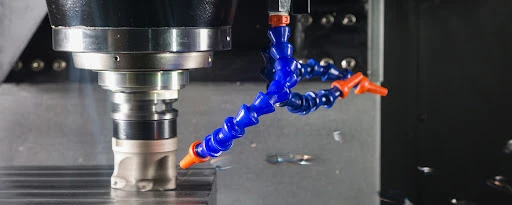
Regular maintenance and care of the CNC lathe are fundamental to improving its performance and extending its service life. Through periodic cleaning, lubrication, and inspections, potential faults can be identified and addressed promptly, minimizing the risk of machine failure and ensuring it operates in optimal condition. Keeping comprehensive machine maintenance records, documenting each inspection, maintenance, and repair, helps operators better understand the machine's operating status and make necessary adjustments, preventing deterioration in machining accuracy due to neglect.
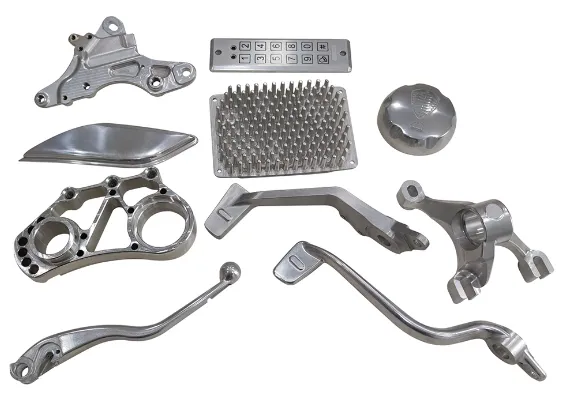
In summary, addressing the challenges faced by economical CNC lathes during the machining process requires a multi-faceted approach. Optimizing tool selection and wear management, controlling machine vibration and stability, ensuring dimensional accuracy, improving program debugging and error checking, and implementing a robust machine maintenance system are essential to ensure the high efficiency and quality of the lathe. By adopting these measures, it is possible to maximize the performance of economical CNC lathes, thereby improving machining efficiency and workpiece quality, and enhancing the competitiveness of manufacturing operations.
Dalian Polyfull Intelligence Technology Co., Ltd. established in 2002, the factory covers an area of about 15,000 square meters and has more than 50 technical backbones. The company integrates design, development, installation, testing, commissioning, and service, and is a professional manufacturer and exporter of industrial machinery and equipment.
Our products include CNC machine tools, milling machines, boring machines, gantry machining centers, multi-axis machining centers, various robotic arms for intelligent production lines, laser welding machines, and other equipment, and we can also configure a variety of different equipment according to customers' requirements.
ADD: Room 2502, Gugeng Business International Building, Jinzhou, Dalian, Liaoning, China 116600
Factory Location: No.17 - 21 - 2, Liandong Road, Dalian Economic and Technological Development Zone, Liaoning Province
Tel:86 - 411 - 87961688
Mail:Info2@polyfull. net
products: CNC Lathe, Machining Center, Industrial Robot