

What is the vibration level of Hard Rail CNC during operation?
As a trusted supplier of Hard Rail CNC machines, I've witnessed firsthand the critical role that vibration levels play in the performance and longevity of these powerful tools. In this blog post, I'll delve into the concept of vibration levels in Hard Rail CNC machines during operation, exploring what they are, why they matter, and how they compare to other types of CNC machines.

Understanding Vibration in Hard Rail CNC Machines
Vibration in a Hard Rail CNC machine refers to the oscillatory motion that occurs during the machining process. This motion can be caused by a variety of factors, including the cutting forces exerted on the workpiece, the rotation of the spindle, and the movement of the machine's axes. While some level of vibration is inevitable in any machining operation, excessive vibration can have a significant impact on the quality of the finished product, the tool life, and the overall efficiency of the machine.
Factors Affecting Vibration Levels
Several factors can influence the vibration levels of a Hard Rail CNC machine during operation. These include:
- Machine Design and Construction: The design and construction of the machine play a crucial role in determining its vibration characteristics. A well-designed Hard Rail CNC machine will have a rigid frame and a stable base, which helps to minimize vibration. Additionally, the use of high-quality components and precision manufacturing techniques can further reduce vibration levels.
- Cutting Parameters: The cutting parameters, such as the cutting speed, feed rate, and depth of cut, can also affect the vibration levels of the machine. Optimizing these parameters can help to reduce cutting forces and minimize vibration. For example, using a lower cutting speed and a higher feed rate can sometimes result in less vibration compared to using a higher cutting speed and a lower feed rate.
- Tooling: The type and condition of the cutting tools used in the machine can have a significant impact on vibration levels. Dull or worn-out tools can cause increased cutting forces and vibration, while high-quality, sharp tools can help to reduce vibration and improve the quality of the cut.
- Workpiece Material and Geometry: The material and geometry of the workpiece can also affect the vibration levels of the machine. Harder materials and complex geometries can require higher cutting forces, which can lead to increased vibration. Additionally, the way the workpiece is clamped and supported can also influence vibration levels.
Importance of Controlling Vibration Levels
Controlling vibration levels in a Hard Rail CNC machine is essential for several reasons:
- Quality of the Finished Product: Excessive vibration can cause poor surface finish, dimensional inaccuracies, and even tool breakage, all of which can negatively impact the quality of the finished product. By controlling vibration levels, you can ensure that the workpiece meets the required specifications and tolerances.
- Tool Life: High vibration levels can accelerate tool wear and reduce tool life. This can result in increased tooling costs and downtime for tool changes. By minimizing vibration, you can extend the life of your cutting tools and reduce your overall machining costs.
- Machine Performance and Efficiency: Vibration can also affect the performance and efficiency of the machine. Excessive vibration can cause the machine to operate less smoothly, resulting in reduced cutting speeds and feed rates. This can lead to longer machining times and lower productivity. By controlling vibration levels, you can optimize the performance of the machine and improve its efficiency.
Comparing Hard Rail CNC Machines to Linear Rail CNC Machines
When it comes to vibration levels, Hard Rail CNC machines and Linear Rail CNC Machine have some differences. Hard Rail CNC machines are known for their high rigidity and stability, which generally results in lower vibration levels compared to Linear Rail CNC machines. The rigid structure of the hard rails helps to absorb and dampen the cutting forces, reducing the amount of vibration transmitted to the machine and the workpiece.
On the other hand, Linear Rail CNC machines offer faster and smoother movement, which can be beneficial for high-speed machining operations. However, they may be more prone to vibration due to their relatively lighter construction and the use of linear guides.
Measuring and Monitoring Vibration Levels
To effectively control vibration levels in a Hard Rail CNC machine, it's important to measure and monitor them regularly. There are several methods and tools available for measuring vibration, including accelerometers, vibration sensors, and laser displacement sensors. These tools can provide real-time data on the vibration levels of the machine, allowing you to detect any abnormal vibrations and take corrective action before they cause significant damage.

Reducing Vibration Levels in Hard Rail CNC Machines
If you notice excessive vibration in your Hard Rail CNC machine, there are several steps you can take to reduce it:
- Check and Adjust the Machine: Make sure the machine is properly leveled and aligned. Check the tightness of all the bolts and connections, and ensure that the machine is securely mounted on a stable base.
- Optimize the Cutting Parameters: Review and adjust the cutting parameters to minimize cutting forces and vibration. Experiment with different combinations of cutting speed, feed rate, and depth of cut to find the optimal settings for your application.
- Use High-Quality Tooling: Invest in high-quality cutting tools that are designed for your specific machining application. Make sure the tools are sharp and in good condition, and replace them regularly to prevent excessive wear.
- Improve the Workpiece Setup: Ensure that the workpiece is properly clamped and supported to minimize vibration. Use appropriate fixtures and workholding devices to secure the workpiece and reduce its movement during the machining process.
- Maintain the Machine Regularly: Regular maintenance is essential for keeping your Hard Rail CNC machine in good condition and reducing vibration levels. Follow the manufacturer's recommended maintenance schedule, and perform tasks such as lubrication, cleaning, and inspection on a regular basis.
Our Hard Rail CNC Machine Offerings
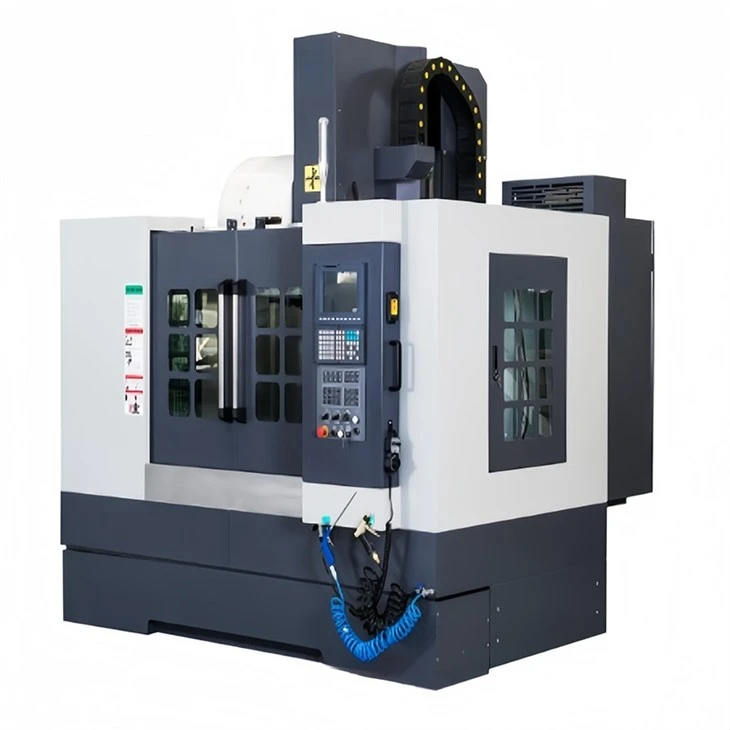
At our company, we offer a range of high-quality Hard Rail CNC machines, including Large Vertical Machining Centers and Highly rigid 3-axis vertical machining center. Our machines are designed with a focus on precision, reliability, and low vibration levels, ensuring that you can achieve the best possible results in your machining operations.
Conclusion
In conclusion, understanding and controlling the vibration levels of a Hard Rail CNC machine during operation is crucial for achieving high-quality results, extending tool life, and improving machine performance and efficiency. By considering the factors that affect vibration levels, measuring and monitoring them regularly, and taking appropriate steps to reduce vibration, you can ensure that your Hard Rail CNC machine operates smoothly and reliably.

If you're interested in learning more about our Hard Rail CNC machines or have any questions about vibration levels or machining processes, please don't hesitate to contact us. We're here to help you find the right solution for your specific needs and ensure that you get the most out of your CNC machining operations.
References
- Smith, J. (2020). CNC Machining Handbook. Industrial Press Inc.
- Jones, R. (2019). Vibration Analysis for Machinery Maintenance. McGraw-Hill Education.
- Brown, A. (2018). Precision Machining Technology. Pearson Education.