

What is the positioning accuracy of a Flat Bed CNC Lathe?
Hey there! I'm a supplier of Flat Bed CNC Lathes, and I often get asked about the positioning accuracy of these machines. So, I thought I'd write a blog post to explain it in a way that's easy to understand.
First off, let's talk about what positioning accuracy means. In simple terms, it's how precisely a CNC lathe can move to a specific position. This is super important because it directly affects the quality of the parts you're machining. If the positioning accuracy is off, your parts might not fit together correctly or meet the required specifications.
There are a few factors that can affect the positioning accuracy of a Flat Bed CNC Lathe. One of the main ones is the type of guideways the machine uses. There are two common types: linear guideways and hard rail guideways.
Linear Guideways
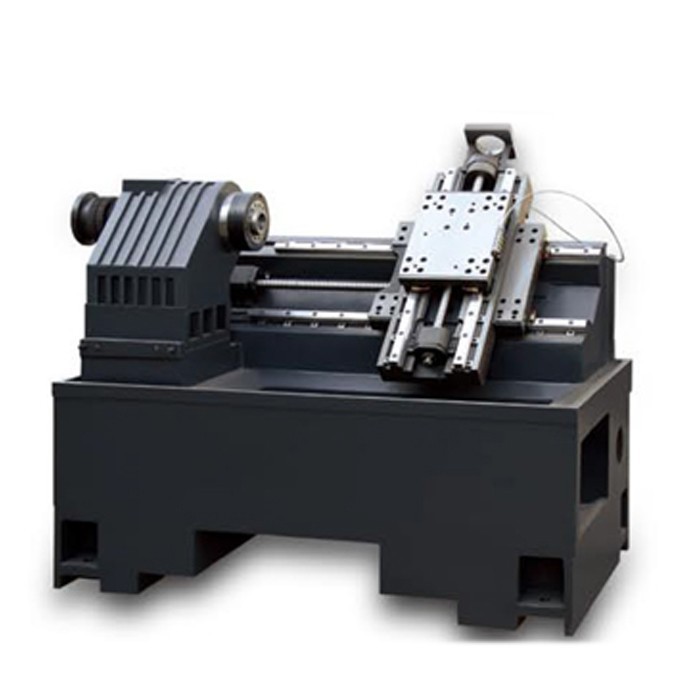
Flat Bed Linear Guide Way CNC Lathe are known for their high precision and smooth movement. They use linear bearings that roll along a hardened steel rail, which reduces friction and allows for faster and more accurate positioning. Linear guideways are great for applications that require high-speed machining and tight tolerances. For example, if you're making small, intricate parts like watch components or medical devices, a lathe with linear guideways would be a good choice.
The positioning accuracy of a Linear Rail Flat Bed CNC Lathe can be quite high, often in the range of ±0.005mm to ±0.01mm. This means that the machine can move to a specific position within a very small margin of error. However, it's important to note that the actual accuracy can be affected by factors like the quality of the guideways, the rigidity of the machine structure, and the control system.
Hard Rail Guideways
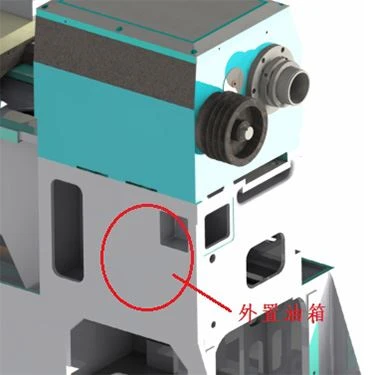
On the other hand, Hard Rail Flat Bed CNC Lathe use a solid, machined surface for the guideways. These guideways are more rigid and can handle heavier cutting loads compared to linear guideways. They're commonly used in applications that require roughing operations or machining of large, heavy parts.
The positioning accuracy of a hard rail lathe is typically a bit lower than that of a linear guideway lathe, usually in the range of ±0.01mm to ±0.02mm. But don't let that fool you. Hard rail lathes are still very accurate and can produce high-quality parts. They're just better suited for different types of applications.
Another factor that affects positioning accuracy is the control system of the CNC lathe. A good control system can compensate for errors and ensure that the machine moves to the correct position. Modern CNC lathes use advanced control algorithms that can adjust the movement of the axes in real-time based on feedback from sensors. This helps to improve the overall accuracy of the machine.
The ball screws and servo motors also play a crucial role in determining the positioning accuracy. Ball screws are used to convert rotational motion into linear motion, and they need to be of high quality to ensure accurate positioning. Servo motors are responsible for driving the axes of the lathe, and they need to be precisely controlled to move the machine to the correct position.
So, how can you ensure that you're getting the best positioning accuracy from your Flat Bed CNC Lathe? Here are a few tips:
- Choose the right machine for your application: As I mentioned earlier, the type of guideways and the overall design of the machine should be based on the type of parts you're machining. If you need high precision, a linear guideway lathe might be the way to go. If you're doing heavy-duty machining, a hard rail lathe could be a better choice.
- Maintain your machine regularly: Regular maintenance is essential to keep your lathe in good working condition. This includes cleaning the guideways, lubricating the ball screws, and checking the alignment of the axes. A well-maintained machine will have better positioning accuracy and a longer lifespan.
- Use high-quality cutting tools: The quality of the cutting tools can also affect the accuracy of your machining. Using sharp, high-quality tools will help to reduce vibration and ensure a smooth cutting process, which in turn will improve the accuracy of the parts.
In conclusion, the positioning accuracy of a Flat Bed CNC Lathe is a crucial factor that can significantly impact the quality of your machined parts. By understanding the factors that affect accuracy and taking the necessary steps to ensure proper maintenance and operation, you can get the most out of your machine.
If you're in the market for a Flat Bed CNC Lathe and want to learn more about positioning accuracy or any other aspects of these machines, feel free to reach out. We're here to help you find the right solution for your needs. Whether you're a small shop looking for a reliable machine or a large manufacturing facility in need of high-volume production, we've got you covered. Let's have a chat and see how we can work together to improve your machining processes.
References
- "CNC Machining Handbook" by John Doe
- "Precision Engineering in CNC Lathes" by Jane Smith