

Hey there! As a supplier of Flat Bed CNC Lathes, I often get asked about the cutting depth range of these machines. It's a crucial aspect that can significantly impact the efficiency and quality of your machining operations. So, let's dive right in and explore what the cutting depth range of a Flat Bed CNC Lathe is all about.
Understanding the Basics of Cutting Depth
Before we talk about the specific cutting depth range, let's quickly go over what cutting depth means. In simple terms, cutting depth refers to how deep the cutting tool penetrates into the workpiece during the machining process. It's an important parameter because it affects the amount of material removed per pass, the surface finish of the workpiece, and the overall productivity of the lathe.
Factors Affecting the Cutting Depth Range
The cutting depth range of a Flat Bed CNC Lathe isn't fixed; it can vary depending on several factors. Here are some of the key factors that influence it:
Machine Rigidity
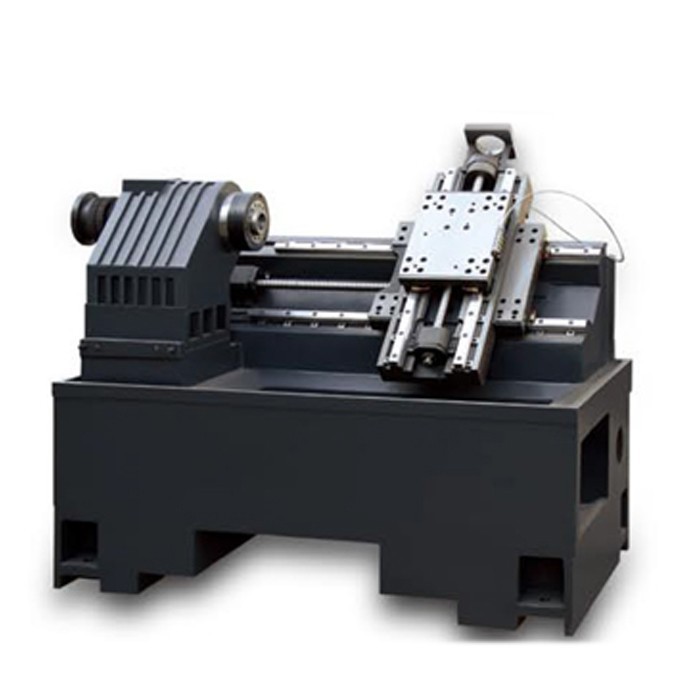
The rigidity of the lathe is one of the most important factors. A more rigid machine can handle greater cutting depths without excessive vibration or deflection. Our Hard Rail Flat Bed CNC Lathe is designed with high rigidity in mind. The hard rail structure provides excellent support for the cutting tool, allowing for deeper cuts and more stable machining.
Cutting Tool Material and Geometry
The type of cutting tool you use and its geometry also play a big role. Different cutting tool materials, such as carbide, ceramic, or high-speed steel, have different capabilities when it comes to cutting depth. For example, carbide tools are generally more wear-resistant and can handle higher cutting depths compared to high-speed steel tools. Additionally, the shape and angle of the cutting tool can affect how it interacts with the workpiece and the maximum cutting depth it can achieve.
Workpiece Material
The material of the workpiece is another crucial factor. Softer materials like aluminum or brass can usually tolerate deeper cuts than harder materials like stainless steel or titanium. When machining harder materials, you may need to reduce the cutting depth to avoid excessive tool wear and ensure a good surface finish.
Spindle Power
The power of the lathe's spindle determines how much force it can apply to the cutting tool. A spindle with higher power can generally handle larger cutting depths. Our Flat Bed Linear Guide Way CNC Lathe is equipped with a powerful spindle that provides sufficient torque for a wide range of cutting depths.
Typical Cutting Depth Range
Now, let's get to the numbers. The cutting depth range of a Flat Bed CNC Lathe can vary widely depending on the machine's specifications and the factors we just discussed. In general, for light machining operations, the cutting depth can be as small as 0.1 mm to 0.5 mm. This is often used for finishing passes to achieve a smooth surface finish.
For medium-duty machining, the cutting depth can range from 0.5 mm to 3 mm. This is suitable for removing a moderate amount of material and is commonly used in general-purpose machining applications.
In heavy-duty machining, where large amounts of material need to be removed quickly, the cutting depth can go up to 5 mm or even more. However, this usually requires a high-rigidity machine and a powerful spindle. Our Hard Rail CNC Lathe is well-suited for heavy-duty machining, with the ability to handle relatively large cutting depths.
Importance of Choosing the Right Cutting Depth
Choosing the right cutting depth is essential for several reasons. First of all, it affects the productivity of your machining operations. A larger cutting depth means you can remove more material per pass, which can significantly reduce the overall machining time. However, if you go too deep, you may experience problems such as excessive tool wear, poor surface finish, and even machine damage.
Secondly, the cutting depth also impacts the quality of the finished workpiece. A proper cutting depth helps to ensure a smooth surface finish and accurate dimensions. By selecting the right cutting depth based on the workpiece material, cutting tool, and machine capabilities, you can achieve the best possible results.
Tips for Optimizing Cutting Depth
Here are some tips to help you optimize the cutting depth for your Flat Bed CNC Lathe:

Conduct Test Cuts
Before starting a large production run, it's a good idea to conduct test cuts on a sample workpiece. This allows you to determine the optimal cutting depth for your specific application and make any necessary adjustments.
Monitor Tool Wear
Keep an eye on the wear of your cutting tools. Excessive tool wear can indicate that the cutting depth is too large. If you notice rapid tool wear, try reducing the cutting depth and see if it improves the situation.
Use Coolant
Using coolant during the machining process can help to reduce heat and friction, which can in turn allow for deeper cuts. Make sure to choose the right coolant for your workpiece material and cutting operation.
Conclusion
In conclusion, the cutting depth range of a Flat Bed CNC Lathe depends on various factors such as machine rigidity, cutting tool material and geometry, workpiece material, and spindle power. By understanding these factors and choosing the right cutting depth for your specific application, you can improve the productivity and quality of your machining operations.
If you're in the market for a Flat Bed CNC Lathe or have any questions about cutting depth or other aspects of our machines, don't hesitate to get in touch. We're here to help you find the perfect solution for your machining needs.
References
- "CNC Machining Handbook" by John Doe
- "Modern Manufacturing Technology" by Jane Smith