

Hey there! As a supplier of Flat Bed CNC Lathes, I often get asked about the cooling system of these machines. So, I thought I'd write a blog post to explain what it is, how it works, and why it's so important.
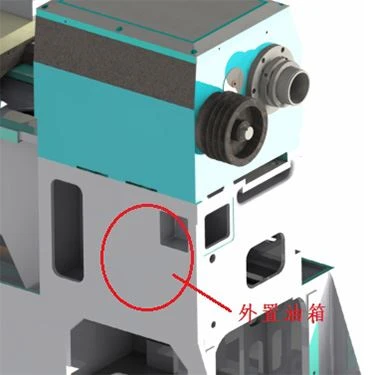

What is a Cooling System in a Flat Bed CNC Lathe?
A cooling system in a Flat Bed CNC Lathe is a crucial component that helps maintain the optimal temperature of the machine during operation. CNC lathes, especially when working on high - precision tasks, generate a significant amount of heat. This heat comes from various sources such as the friction between the cutting tool and the workpiece, the operation of the spindle motor, and the electrical components within the machine.
The cooling system is designed to dissipate this heat and prevent the machine from overheating. Overheating can lead to a whole bunch of problems, like thermal expansion of machine parts. This expansion can cause inaccuracies in machining, reduce the lifespan of the cutting tools, and even damage the machine's internal components.
Types of Cooling Systems in Flat Bed CNC Lathes
1. Liquid Cooling Systems
Liquid cooling is one of the most common types of cooling systems used in Flat Bed CNC Lathes. In a liquid cooling system, a coolant (usually a mixture of water and anti - rust additives) is circulated through the machine.
The coolant is stored in a reservoir, and a pump is used to circulate it through channels in the machine. As the coolant flows, it absorbs the heat generated by the cutting process and other components. After absorbing the heat, the coolant is then sent to a heat exchanger. The heat exchanger transfers the heat from the coolant to the surrounding air, cooling the coolant down. Once cooled, the coolant is recirculated back into the machine to continue the cooling process.
Liquid cooling systems are very effective at removing large amounts of heat. They can maintain a relatively stable temperature, which is essential for high - precision machining. For example, in our Linear Rail Flat Bed CNC Lathe, the liquid cooling system ensures that the spindle and the cutting area stay at the right temperature, allowing for accurate and efficient machining.
2. Air Cooling Systems
Air cooling systems use fans to blow air over the hot components of the machine. The moving air carries away the heat, cooling the components. Air cooling is relatively simple and inexpensive compared to liquid cooling.
In an air - cooled Flat Bed CNC Lathe, fans are usually placed near the spindle motor, electrical cabinets, and other heat - generating parts. The fans draw in cool air from the surrounding environment and blow it over the hot components, expelling the heated air out of the machine.
However, air cooling systems have some limitations. They are not as effective as liquid cooling systems in removing large amounts of heat. Also, they can be affected by the ambient temperature. If the surrounding air is already hot, the cooling efficiency of the air cooling system will be reduced. Our Flat Bed Linear Guide Way CNC Lathe can be equipped with an air cooling system for less demanding applications where the heat generation is relatively low.
3. Hybrid Cooling Systems
Some Flat Bed CNC Lathes use hybrid cooling systems, which combine the advantages of both liquid and air cooling. In a hybrid system, liquid cooling is used to cool the critical components that generate a large amount of heat, such as the spindle and the cutting area. Air cooling is then used to assist in cooling the electrical components and other parts of the machine.
Hybrid cooling systems provide a more comprehensive and efficient cooling solution. They can handle high - heat situations while also being cost - effective. Our Hard Rail CNC Lathe can be configured with a hybrid cooling system to ensure optimal performance in various machining scenarios.
How the Cooling System Works
Let's take a closer look at how a liquid cooling system, the most common type, works in a Flat Bed CNC Lathe.
- Coolant Storage: The coolant is stored in a reservoir. The size of the reservoir depends on the size and the heat - generating capacity of the machine. A larger machine will usually require a larger reservoir to ensure an adequate supply of coolant.
- Pumping: A pump is used to circulate the coolant through the machine. The pump creates pressure to force the coolant through the channels in the machine. These channels are strategically placed near the heat - generating components, such as the spindle and the cutting area.
- Heat Absorption: As the coolant flows through the channels, it comes into contact with the hot components. The coolant absorbs the heat from these components, increasing its own temperature.
- Heat Exchange: After absorbing the heat, the coolant is sent to a heat exchanger. The heat exchanger is usually made up of a series of fins or tubes. As the hot coolant passes through the heat exchanger, air is blown over it (either by a fan in an air - cooled heat exchanger or through natural convection in some cases). The heat is transferred from the coolant to the air, cooling the coolant down.
- Recirculation: Once the coolant is cooled, it is sent back to the reservoir. From there, the pump circulates it back through the machine to continue the cooling process.
Why the Cooling System is Important
The cooling system is vital for the proper functioning of a Flat Bed CNC Lathe for several reasons:
- Precision Machining: As mentioned earlier, heat can cause thermal expansion of machine parts. This expansion can lead to dimensional inaccuracies in the machined parts. By maintaining a stable temperature, the cooling system ensures that the machine can produce parts with high precision.
- Tool Life: High temperatures can cause the cutting tools to wear out quickly. The cooling system helps to keep the cutting tools at a lower temperature, reducing tool wear and increasing their lifespan. This saves on tool replacement costs and improves the overall efficiency of the machining process.
- Machine Reliability: Overheating can damage the internal components of the machine, such as the spindle motor, bearings, and electrical circuits. A well - functioning cooling system helps to prevent these components from overheating, increasing the reliability and lifespan of the machine.
Maintaining the Cooling System
To ensure the proper functioning of the cooling system in a Flat Bed CNC Lathe, regular maintenance is required. Here are some maintenance tips:
- Check the Coolant Level: Regularly check the coolant level in the reservoir. If the level is low, add more coolant to the reservoir. Make sure to use the recommended coolant mixture to prevent corrosion and other problems.
- Clean the Heat Exchanger: Over time, dust and debris can accumulate on the heat exchanger, reducing its efficiency. Clean the heat exchanger regularly to ensure proper heat transfer.
- Inspect the Pump: Check the pump for any signs of damage or wear. Make sure the pump is working properly and circulating the coolant at the correct pressure.
- Replace the Coolant: Over time, the coolant can become contaminated with chips, dirt, and other debris. Replace the coolant at regular intervals as recommended by the machine manufacturer.
Conclusion
In conclusion, the cooling system is an essential part of a Flat Bed CNC Lathe. It plays a crucial role in maintaining the machine's performance, precision, and reliability. Whether it's a liquid cooling system, an air cooling system, or a hybrid system, each type has its own advantages and is suitable for different applications.
If you're in the market for a Flat Bed CNC Lathe and have questions about the cooling system or any other aspect of the machine, don't hesitate to reach out. We're here to help you find the right machine for your needs and ensure that it operates at its best. Contact us today to start a discussion about your procurement requirements.
References
- "CNC Machine Tool Handbook"
- Manufacturer's manuals for Flat Bed CNC Lathes