

Hey there! I'm a supplier of Flat Bed CNC Lathes, and I know how frustrating it can be when you hear abnormal noise coming from your machine. In this blog, I'll share some tips on how to troubleshoot a Flat Bed CNC Lathe when there's abnormal noise.
First off, let's talk about why abnormal noise is a big deal. Abnormal noise isn't just annoying; it can be a sign of serious problems in your lathe. It could mean that parts are wearing out, there's improper lubrication, or something's just not aligned right. Ignoring it can lead to more significant issues down the road, like reduced accuracy, increased wear and tear, and even complete breakdowns. So, it's super important to address it as soon as you notice it.
Check the Tooling
One of the first things to look at is the tooling. A dull or damaged cutting tool can cause a lot of noise. When the tool isn't cutting properly, it has to work harder, which can create vibrations and noise. Check your cutting tools for any signs of wear, like chipping or dull edges. If you find a damaged tool, replace it right away. Make sure the tool is also installed correctly. An improperly installed tool can also lead to uneven cutting and noise.
Examine the Spindle
The spindle is another common culprit when it comes to abnormal noise. The spindle is the part of the lathe that holds and rotates the workpiece. If the spindle bearings are worn out, they can make a grinding or whining noise. You can try to listen closely to the source of the noise. If it seems to be coming from the spindle area, it might be a bearing issue. You can also check the spindle for any signs of misalignment. Sometimes, a misaligned spindle can cause extra stress on the bearings and create noise.
Look at the Drive System
The drive system of the lathe, which includes the motors and belts, can also be a source of noise. A loose or worn-out belt can slip, which creates a squealing noise. Check the belts for any signs of wear, like cracks or fraying. If you find a worn belt, replace it. Also, make sure the belts are properly tensioned. You can use a belt tension gauge to check the tension. If the motors are the problem, they might make a humming or buzzing noise. Check the motor mounts to make sure they're secure. Loose motor mounts can cause the motor to vibrate and create noise.
Check the Lubrication
Proper lubrication is crucial for the smooth operation of a Flat Bed CNC Lathe. If the moving parts aren't properly lubricated, they can rub against each other, creating friction and noise. Check the lubrication levels in all the necessary areas, like the slides, bearings, and gears. Make sure you're using the right type of lubricant for each part. Using the wrong lubricant can also cause problems. If the lubricant is old or contaminated, drain it and replace it with fresh lubricant.

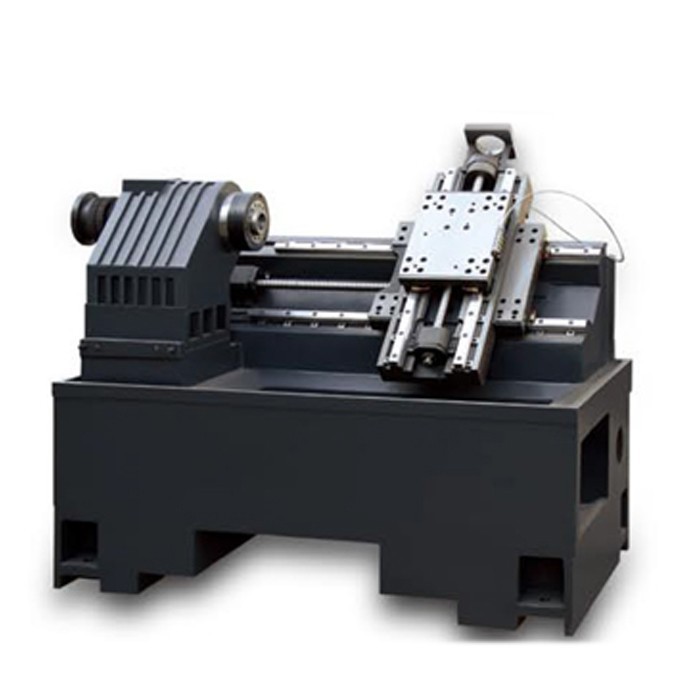
Inspect the Machine Base and Mounting
A lathe that isn't properly mounted can also make a lot of noise. If the machine isn't level, it can cause uneven stress on the components, which leads to vibrations and noise. Use a level to check if the lathe is sitting flat on the floor. If it's not, adjust the leveling feet until it's level. Also, make sure the machine base is secure. Loose bolts or a weak base can cause the lathe to shake and make noise.
Types of Flat Bed CNC Lathes
We offer different types of Flat Bed CNC Lathes, such as the Hard Rail Flat Bed CNC Lathe and the Flat Bed Linear Guide Way CNC Lathe. The Hard Rail CNC Lathe is known for its high rigidity and stability, which can reduce the chances of abnormal noise caused by vibrations. Each type has its own characteristics, but the troubleshooting steps are generally similar.
When to Call for Professional Help
Sometimes, despite your best efforts, you might not be able to figure out the source of the noise or fix the problem on your own. That's when it's time to call in a professional. A professional technician has the experience and tools to diagnose and fix more complex issues. They can also perform a more thorough inspection of your lathe to make sure there aren't any other hidden problems.
Conclusion
Abnormal noise in a Flat Bed CNC Lathe is a problem that shouldn't be ignored. By following these troubleshooting steps, you can often identify and fix the issue on your own. However, if you're still having trouble, don't hesitate to seek professional help. If you're in the market for a new Flat Bed CNC Lathe or need replacement parts, we're here to help. We offer a wide range of high-quality lathes and parts to meet your needs. Contact us to start a procurement discussion and find the perfect solution for your machining requirements.
References
- General knowledge from years of experience in the Flat Bed CNC Lathe industry.
- Technical manuals provided by machine manufacturers.