

As a trusted supplier of palletizing robots, I understand the importance of maintaining and replacing parts to ensure the optimal performance of these machines. Palletizing robots are essential in various industries, from manufacturing to logistics, as they automate the process of stacking products onto pallets, increasing efficiency and reducing labor costs. However, like any complex machinery, palletizing robots require regular maintenance and occasional part replacement. In this blog post, I will guide you through the process of replacing the parts of a palletizing robot, providing you with valuable insights and practical tips.
Understanding the Palletizing Robot
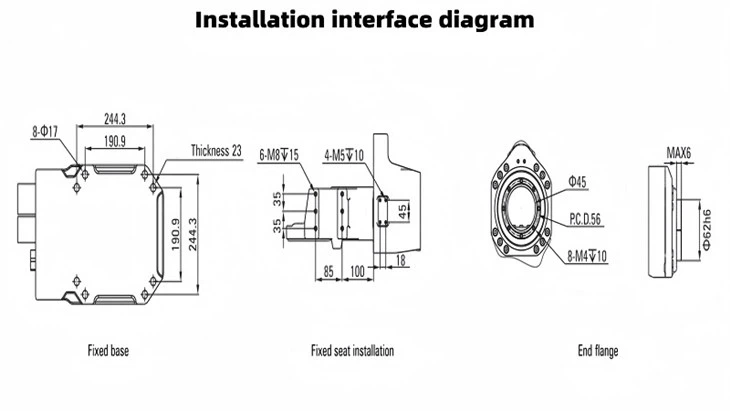
Before you start replacing parts, it's crucial to have a thorough understanding of your palletizing robot. Different models and brands may have unique designs and components. Familiarize yourself with the robot's manual, which provides detailed information about its structure, operation, and maintenance requirements. This knowledge will help you identify the parts that need replacement and ensure that you use the correct tools and procedures.
Identifying the Parts to Replace
The first step in replacing parts is to identify which components need attention. Common parts that may require replacement in a palletizing robot include:
- Motors and Drives: These are responsible for the robot's movement. Over time, motors can wear out, leading to reduced performance or even failure.
- Sensors: Sensors play a vital role in the robot's operation, detecting the position of products and pallets. Faulty sensors can cause inaccurate stacking or other operational issues.
- Grippers and End - Effectors: These are the parts that directly interact with the products. They can become damaged due to regular use, especially if they handle heavy or sharp - edged items.
- Belts and Chains: These components are used for power transmission. Worn - out belts and chains can slip, affecting the robot's movement and precision.
Safety First
Safety should always be your top priority when working on a palletizing robot. Before starting any replacement work, follow these safety procedures:
- Power Off: Disconnect the robot from its power source to prevent accidental activation.
- Lockout/Tagout: Use lockout/tagout devices to ensure that the power remains off during the maintenance process.
- Wear Protective Gear: Wear appropriate safety equipment, such as gloves, safety glasses, and steel - toed boots.
Tools and Materials
Gather the necessary tools and materials before you begin the replacement process. Some common tools you may need include:
- Screwdrivers (Phillips and flat - head): For removing and installing screws.
- Wrenches: To loosen and tighten nuts and bolts.
- Pliers: Useful for gripping and pulling small parts.
- Replacement Parts: Ensure that you have the correct replacement parts on hand. You can order these directly from the manufacturer or a reliable supplier.
Step - by - Step Replacement Process
1. Motor and Drive Replacement
- Locate the Motor: Refer to the robot's manual to find the location of the motor.
- Disconnect Wires: Carefully disconnect the electrical wires connected to the motor. Make sure to label them correctly to ensure proper reconnection later.
- Remove Mounting Bolts: Use a wrench to remove the bolts that secure the motor to the robot's frame.
- Install the New Motor: Place the new motor in the same position as the old one and secure it with the mounting bolts.
- Reconnect Wires: Connect the electrical wires to the new motor according to the labels.
2. Sensor Replacement
- Identify the Faulty Sensor: Use diagnostic tools or the robot's error messages to determine which sensor is malfunctioning.
- Remove the Sensor: Unscrew the sensor from its mounting position. Some sensors may be held in place with clips or adhesive.
- Install the New Sensor: Place the new sensor in the same location as the old one and secure it.
- Calibrate the Sensor: After installation, calibrate the sensor according to the manufacturer's instructions to ensure accurate operation.
3. Gripper and End - Effector Replacement
- Release the Gripper: If the gripper is holding a product, release it safely.
- Disconnect the Gripper: Remove the hoses, cables, or other connections that attach the gripper to the robot's arm.
- Remove the Mounting Hardware: Use a screwdriver or wrench to remove the bolts or screws that hold the gripper in place.
- Install the New Gripper: Attach the new gripper to the robot's arm and reconnect the hoses and cables.
- Test the Gripper: Test the new gripper to ensure that it can pick up and hold products correctly.
4. Belt and Chain Replacement
- Locate the Belt or Chain: Find the worn - out belt or chain on the robot.
- Loosen the Tension: Use a tensioning mechanism to loosen the belt or chain. This may involve adjusting a bolt or a lever.
- Remove the Old Belt or Chain: Slip the old belt or chain off the pulleys or sprockets.
- Install the New Belt or Chain: Place the new belt or chain on the pulleys or sprockets and adjust the tension according to the manufacturer's specifications.
Testing and Verification
After replacing the parts, it's essential to test the robot to ensure that it is working correctly.

- Power On: Reconnect the robot to its power source.
- Run a Test Cycle: Program the robot to run a test cycle, stacking a few products onto a pallet.
- Check for Errors: Monitor the robot's operation for any error messages or abnormal behavior. If you encounter any issues, refer to the robot's manual or contact technical support.
Importance of Quality Parts
Using high - quality replacement parts is crucial for the long - term performance and reliability of your palletizing robot. Inferior parts may not fit properly or may wear out quickly, leading to more frequent breakdowns and increased maintenance costs. As a supplier, we offer a wide range of genuine replacement parts that are designed to meet the exact specifications of your robot.
Additional Resources
If you are interested in other types of industrial robots, we also provide information on Automotive Welding Robot, Burnishing Robot, and Spray Lacquer Robot. These robots are used in different applications and can significantly enhance the efficiency and quality of your production processes.
Contact Us for Procurement
If you are in need of palletizing robot parts or have any questions about the replacement process, we are here to help. Our team of experts can provide you with personalized advice and support. Whether you are looking to purchase replacement parts or are considering a new palletizing robot for your business, we invite you to contact us for procurement discussions. We are committed to providing you with the best solutions to meet your industrial automation needs.
References
- Manufacturer's manuals for palletizing robots
- Industry standards for industrial robot maintenance and safety
- Technical literature on industrial robot components and replacement procedures