

Hey there! As a supplier of Linear Rail CNC machines, I've seen firsthand how crucial it is to optimize the cutting path. It can save you time, money, and improve the quality of your work. So, let's dive into how you can do just that.

Understanding the Basics of Cutting Path Optimization
First things first, what exactly is a cutting path? Well, it's the route that the cutting tool takes across the material during the machining process. Optimizing this path means finding the most efficient way for the tool to cut the material, reducing unnecessary movements and minimizing waste.
One of the key factors in optimizing the cutting path is reducing the length of the path. The shorter the path, the less time the machine spends moving the tool around, which means faster machining times and lower costs. Another important factor is reducing the number of tool changes. Each tool change takes time, so minimizing them can also speed up the process.
Analyzing the Material and Design
Before you start optimizing the cutting path, you need to understand the material you're working with and the design of the part you're creating. Different materials have different properties, such as hardness, toughness, and heat resistance, which can affect the cutting process. For example, harder materials may require slower cutting speeds and more frequent tool changes, while softer materials can be cut more quickly.
The design of the part also plays a role in cutting path optimization. Complex designs with lots of curves and angles may require more precise tool movements and longer cutting paths. By analyzing the design, you can identify areas where the cutting path can be simplified or optimized.
Using CAD/CAM Software
One of the most effective ways to optimize the cutting path is by using Computer-Aided Design (CAD) and Computer-Aided Manufacturing (CAM) software. These tools allow you to create a virtual model of the part and simulate the cutting process before you start machining.
CAD software lets you design the part in 3D, while CAM software generates the cutting path based on the design and the material properties. CAM software can also optimize the cutting path by automatically adjusting the cutting speed, feed rate, and tool selection to minimize waste and reduce machining time.
Applying Advanced Cutting Strategies
There are several advanced cutting strategies that you can use to optimize the cutting path. One such strategy is trochoidal milling, which involves using a circular or spiral path to cut the material. This technique reduces the amount of time the tool spends in contact with the material, which can extend tool life and improve the quality of the cut.
Another strategy is high-speed machining, which uses high cutting speeds and feeds to remove material quickly. This technique can significantly reduce machining time, but it requires a machine that is capable of handling the high speeds and feeds.
Considering the Machine's Capabilities
When optimizing the cutting path, it's important to consider the capabilities of your Linear Rail CNC machine. Different machines have different maximum cutting speeds, feed rates, and tool capacities, so you need to make sure that the cutting path you design is within the machine's capabilities.
For example, if your machine has a limited tool capacity, you may need to optimize the cutting path to minimize the number of tool changes. If your machine has a lower maximum cutting speed, you may need to adjust the cutting path to use slower speeds and feeds.
Implementing Toolpath Simulation
Toolpath simulation is a powerful tool that allows you to visualize the cutting process before you start machining. By simulating the toolpath, you can identify any potential issues, such as collisions or overcuts, and make adjustments to the cutting path before you waste any material.
Most CAD/CAM software includes toolpath simulation capabilities, which allow you to view the cutting process from different angles and zoom in on specific areas. This can help you ensure that the cutting path is optimized and that the part will be machined correctly.
Continuous Improvement
Optimizing the cutting path is an ongoing process. As you gain more experience with your Linear Rail CNC machine and the materials you're working with, you can continue to refine the cutting path to improve efficiency and quality.
Keep track of your machining times, tool life, and the quality of the parts you produce. Analyze this data to identify areas where you can make further improvements. You can also experiment with different cutting strategies and parameters to see what works best for your specific application.
Conclusion
Optimizing the cutting path on a Linear Rail CNC machine is essential for improving efficiency, reducing costs, and producing high-quality parts. By understanding the basics of cutting path optimization, analyzing the material and design, using CAD/CAM software, applying advanced cutting strategies, considering the machine's capabilities, implementing toolpath simulation, and continuously improving your processes, you can achieve significant benefits.
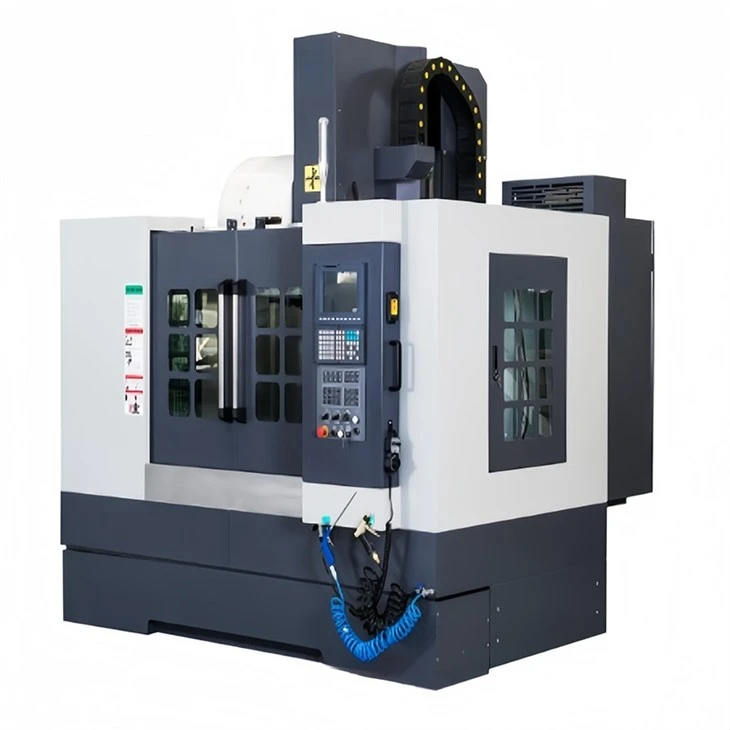
If you're in the market for a Linear Rail CNC Lathe, Large Vertical Machining Centers, or a Highly rigid 3-axis vertical machining center, we can help. Our team of experts can provide you with the guidance and support you need to choose the right machine for your needs and optimize your cutting paths.
If you're interested in learning more about our products or have any questions about cutting path optimization, please don't hesitate to contact us. We're here to help you take your machining operations to the next level.
References
- Smith, J. (2020). CNC Machining Handbook. Publisher Name.
- Jones, A. (2019). Advanced Cutting Strategies for CNC Machines. Journal of Manufacturing Technology, 15(2), 45-56.
- Brown, C. (2018). CAD/CAM Software for CNC Machining. Machining Today, 22(3), 78-85.