

As a supplier of handling robots, I've seen firsthand the importance of ensuring the stability of these machines during operation. A stable handling robot not only improves efficiency but also reduces the risk of accidents and product damage. In this blog, I'll share some practical tips on how to achieve and maintain the stability of a handling robot.
1. Proper Installation and Setup
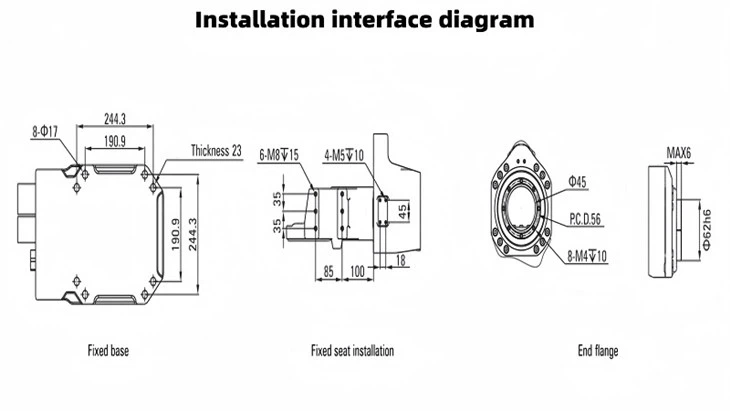
The first step in ensuring the stability of a handling robot is to install it correctly. This means choosing a suitable location that is level and has enough space for the robot to operate without any obstructions. The floor should be able to support the weight of the robot and its payload. If the floor is uneven, it can cause the robot to tilt, which may lead to instability during operation.
When installing the robot, make sure to follow the manufacturer's instructions carefully. Secure the robot to the floor using the recommended mounting methods. This will prevent the robot from moving or vibrating during operation. Additionally, check the alignment of the robot's joints and axes. Misaligned joints can cause the robot to move erratically, affecting its stability.
2. Payload Management
One of the key factors that can affect the stability of a handling robot is the payload it carries. It's important to ensure that the robot is not overloaded. Each handling robot has a specified maximum payload capacity, and exceeding this limit can put excessive stress on the robot's structure and joints, leading to instability and potential damage.
Before operating the robot, carefully calculate the weight of the payload. Consider not only the weight of the object being handled but also any additional fixtures or tools attached to the robot's end - effector. If the payload is close to the maximum capacity, it may be necessary to adjust the robot's speed and acceleration to maintain stability.
Another aspect of payload management is the distribution of the weight. The payload should be evenly distributed on the robot's end - effector. Uneven weight distribution can cause the robot to tip or sway during movement. Make sure that the object is properly centered and secured to the end - effector to prevent any shifting of the weight.
3. Regular Maintenance and Inspection
Regular maintenance is crucial for the stability of a handling robot. Just like any other mechanical device, handling robots require routine checks and servicing to ensure that all components are in good working condition.
Check the robot's lubrication levels regularly. Proper lubrication reduces friction between moving parts, which helps to keep the robot running smoothly and prevents premature wear and tear. Inspect the robot's belts, chains, and gears for signs of damage or excessive wear. Replace any worn - out parts immediately to avoid any sudden failures that could affect the robot's stability.

Inspect the robot's sensors and controllers as well. Faulty sensors can provide inaccurate feedback to the robot's control system, leading to incorrect movements and instability. Clean the sensors regularly to ensure accurate readings.
In addition to these component - level checks, perform a full system inspection periodically. This includes checking the robot's electrical connections, hydraulic or pneumatic systems (if applicable), and the overall structural integrity of the robot. Look for any signs of loose bolts, cracks, or other structural issues that could compromise the robot's stability.
4. Software and Programming Optimization
The software and programming of a handling robot play a significant role in its stability. The robot's control software determines how it moves, accelerates, and decelerates. Optimizing the software can help to improve the robot's stability during operation.
Make sure that the robot's movement profiles are well - programmed. Smooth acceleration and deceleration curves can reduce the impact on the robot's structure and joints, preventing sudden jolts that could cause instability. Avoid using aggressive or jerky movements in the programming.
In addition, the software should be able to adapt to different operating conditions. For example, if the robot is handling a different type of payload or operating in a different environment, the software should be able to adjust the movement parameters accordingly to maintain stability.
5. Environmental Considerations
The environment in which the handling robot operates can also affect its stability. Factors such as temperature, humidity, and the presence of dust or debris can all have an impact on the robot's performance.
High temperatures can cause the robot's components to expand, which may affect the alignment of the joints and the accuracy of the sensors. On the other hand, low temperatures can make the lubricants thicker, increasing friction and reducing the robot's mobility. Try to maintain a stable temperature and humidity level in the robot's operating environment.
Dust and debris can accumulate on the robot's moving parts, causing increased friction and wear. Regularly clean the operating area and use appropriate filters to prevent dust from entering the robot's enclosure. If the robot is operating in a harsh environment, such as a factory with a lot of flying debris, consider using protective covers to shield the robot from damage.
6. Training for Operators
Well - trained operators are essential for the stability of a handling robot. Operators should be familiar with the robot's operation manual, safety procedures, and programming. They should know how to properly load and unload the payload, how to start and stop the robot safely, and how to recognize and respond to any signs of instability.
Provide comprehensive training to all operators. This training should include both theoretical knowledge about the robot's operation and practical hands - on experience. Encourage operators to report any unusual noises, vibrations, or movements of the robot immediately. By having knowledgeable operators, you can prevent many potential stability issues from occurring.
Conclusion
Ensuring the stability of a handling robot during operation is a multi - faceted task that involves proper installation, payload management, regular maintenance, software optimization, environmental control, and operator training. By following these tips, you can significantly improve the stability of your handling robot, which in turn will lead to increased productivity, reduced downtime, and lower maintenance costs.
If you're interested in our handling robots or need more information on how to ensure their stability, feel free to reach out to us for a procurement discussion. We're always happy to help you find the best solutions for your industrial needs.
References
- Handling Robot Operation Manuals
- Industrial Robotics: Theory, Modeling, and Control by Bruno Siciliano, Lorenzo Sciavicco, Luigi Villani, and Giuseppe Oriolo
- Best Practices in Industrial Robot Maintenance and Operation (Industry White Paper)
Some related products that you may also be interested in are the Automated Welding Machine, Burnishing Robot, and Palletizing Robot.