

As a supplier of Linear Rail CNC machines, I often encounter inquiries from customers regarding the machine's versatility, particularly its suitability for engraving. In this blog post, I'll delve into the capabilities of Linear Rail CNC machines in the context of engraving, exploring their potential, limitations, and the factors that influence their performance in this specific application.
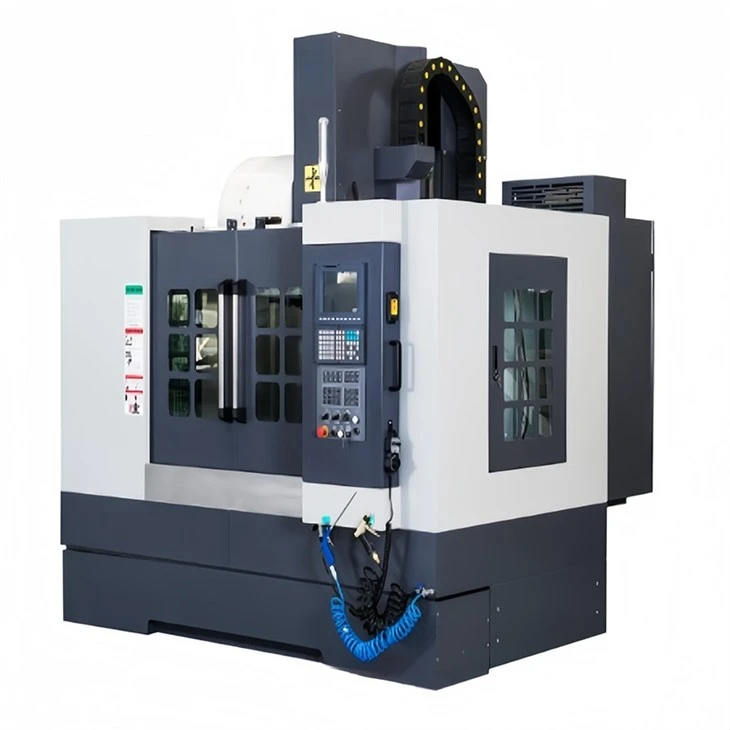

Understanding Linear Rail CNC Machines
Before discussing engraving, it's essential to understand what Linear Rail CNC machines are. These machines are equipped with linear rails, which provide smooth and precise motion along the axes. The CNC (Computer Numerical Control) system allows for automated control of the machine's movements, enabling high - precision machining operations. The combination of linear rails and CNC control offers several advantages, including improved accuracy, repeatability, and speed compared to traditional machining methods.
Engraving: A Precision - Oriented Process
Engraving is a process of cutting or incising a design onto a surface. It can be used for various purposes, such as adding decorative elements to products, creating identification marks, or producing detailed artworks. The quality of engraving depends on several factors, including the precision of the machine, the type of tool used, and the material being engraved.
Can a Linear Rail CNC be Used for Engraving?
The short answer is yes, a Linear Rail CNC machine can be used for engraving. Here's why:
Precision and Accuracy
Linear rails are designed to provide smooth and consistent motion, which is crucial for engraving. The high - precision nature of linear rails allows the machine to follow the programmed path accurately, resulting in sharp and detailed engravings. Whether you're engraving a simple logo or a complex pattern, the accuracy of the Linear Rail CNC machine ensures that the final result meets your expectations.
Versatility in Materials
Linear Rail CNC machines can work with a wide range of materials, including wood, plastic, metal, and stone. Different materials require different cutting tools and machining parameters, but the flexibility of the CNC system allows for easy adjustment. For example, when engraving wood, a small - diameter end mill can be used to create fine details, while a carbide - tipped tool may be more suitable for metal engraving.
Speed and Efficiency
Compared to manual engraving methods, Linear Rail CNC machines offer significant speed and efficiency advantages. Once the design is programmed into the machine, it can engrave multiple pieces in a relatively short time. This is especially beneficial for mass production or when dealing with large - scale projects.
Factors Affecting Engraving Performance
While Linear Rail CNC machines are capable of engraving, several factors can affect their performance:
Machine Rigidity
The rigidity of the machine plays a crucial role in engraving quality. A rigid machine structure can minimize vibrations during the machining process, which is essential for producing clean and precise engravings. If the machine is not rigid enough, it may result in rough edges or uneven depths in the engraving.
Tool Selection
Choosing the right tool is critical for successful engraving. The type of tool, its diameter, and its cutting edge geometry all affect the quality of the engraving. For example, a ball - nose end mill is suitable for engraving curved surfaces, while a flat - end mill is better for creating straight lines and sharp corners.
Software and Programming
The CNC software used to program the machine also impacts the engraving process. Advanced software allows for more complex designs and precise control of the machining parameters. It's important to have a good understanding of the software and be able to optimize the programming for the specific engraving task.
Examples of Engraving Applications
Linear Rail CNC machines have been used in various engraving applications:
Sign Making
In the sign - making industry, Linear Rail CNC machines are widely used to engrave letters, logos, and other designs on different materials. The high - precision engraving capabilities of these machines ensure that the signs are visually appealing and durable.
Jewelry Engraving
Jewelry engraving requires extreme precision and attention to detail. Linear Rail CNC machines can be used to engrave intricate patterns and inscriptions on precious metals and gemstones, adding a personalized touch to the jewelry.
Industrial Marking
In the industrial sector, Linear Rail CNC machines are used for marking products with serial numbers, barcodes, and other identification information. The accuracy and repeatability of these machines make them ideal for ensuring consistent and legible markings.
Comparing with Other Machining Centers
When considering engraving, you might also come across other types of machining centers, such as Large Vertical Machining Centers, High - speed Drilling and Tapping Machine, and 3 Axis Vertical Machining Center. While these machines have their own advantages in specific applications, Linear Rail CNC machines offer unique benefits for engraving, especially in terms of precision and versatility.
Limitations of Using a Linear Rail CNC for Engraving
Despite its many advantages, there are some limitations to using a Linear Rail CNC machine for engraving:
Initial Investment
The cost of a Linear Rail CNC machine can be relatively high, especially for high - end models with advanced features. This initial investment may be a barrier for some small - scale businesses or hobbyists.
Learning Curve
Operating a Linear Rail CNC machine requires a certain level of technical knowledge and skills. The CNC programming language and software can be complex, and it takes time to learn how to use them effectively. However, many manufacturers provide training and support to help users get started.
Tips for Successful Engraving with a Linear Rail CNC
If you're planning to use a Linear Rail CNC machine for engraving, here are some tips to ensure success:
Choose the Right Tool
Select a tool that is suitable for the material and the type of engraving you want to achieve. Consider factors such as the tool diameter, cutting edge geometry, and material hardness.
Optimize the Machining Parameters
Adjust the spindle speed, feed rate, and depth of cut according to the material and tool being used. These parameters can significantly affect the quality of the engraving.
Test on Scrap Material
Before engraving on the final workpiece, it's a good idea to test the settings on a scrap piece of the same material. This allows you to make any necessary adjustments and ensure that the engraving meets your requirements.
Conclusion
In conclusion, a Linear Rail CNC machine is a viable option for engraving. Its precision, versatility, and efficiency make it suitable for a wide range of engraving applications. While there are some limitations, such as the initial investment and learning curve, the benefits of using a Linear Rail CNC machine for engraving far outweigh the drawbacks.
If you're interested in using a Linear Rail CNC machine for your engraving projects or have any questions about our products, we invite you to contact us for a detailed discussion. Our team of experts is ready to assist you in finding the right solution for your specific needs.
References
- "CNC Machining Handbook" by Peter Smid
- "Modern Manufacturing Processes" by Rajender Singh
- Industry reports on CNC machining and engraving technology